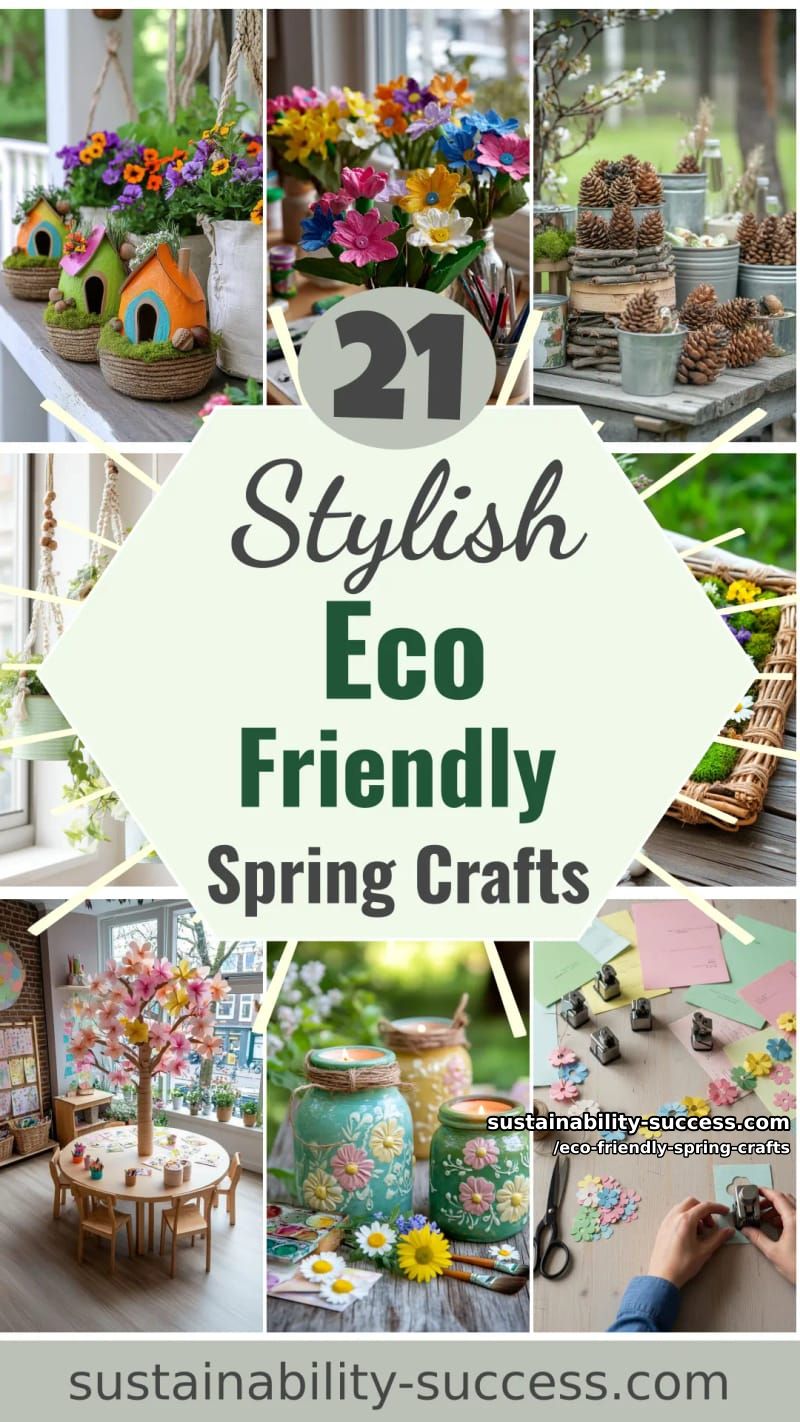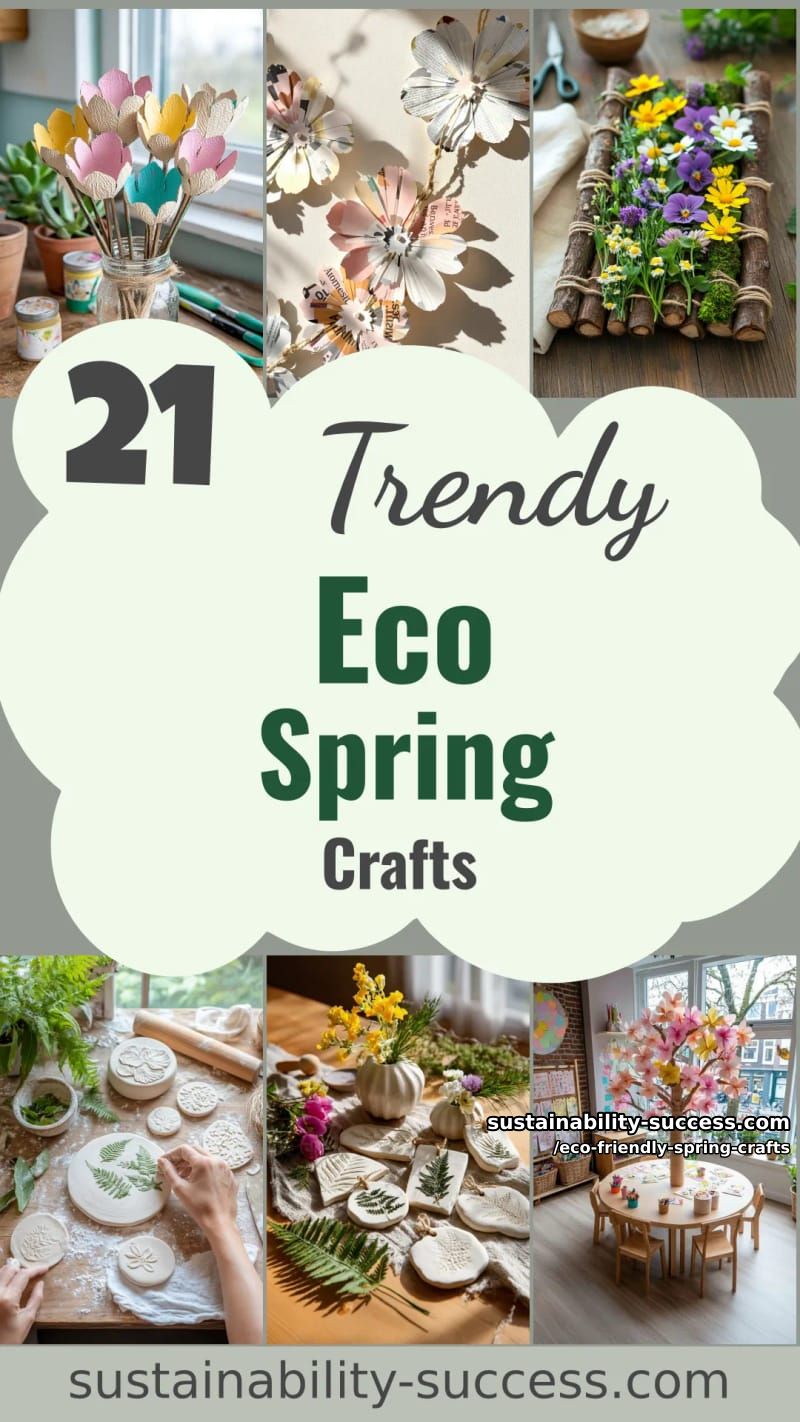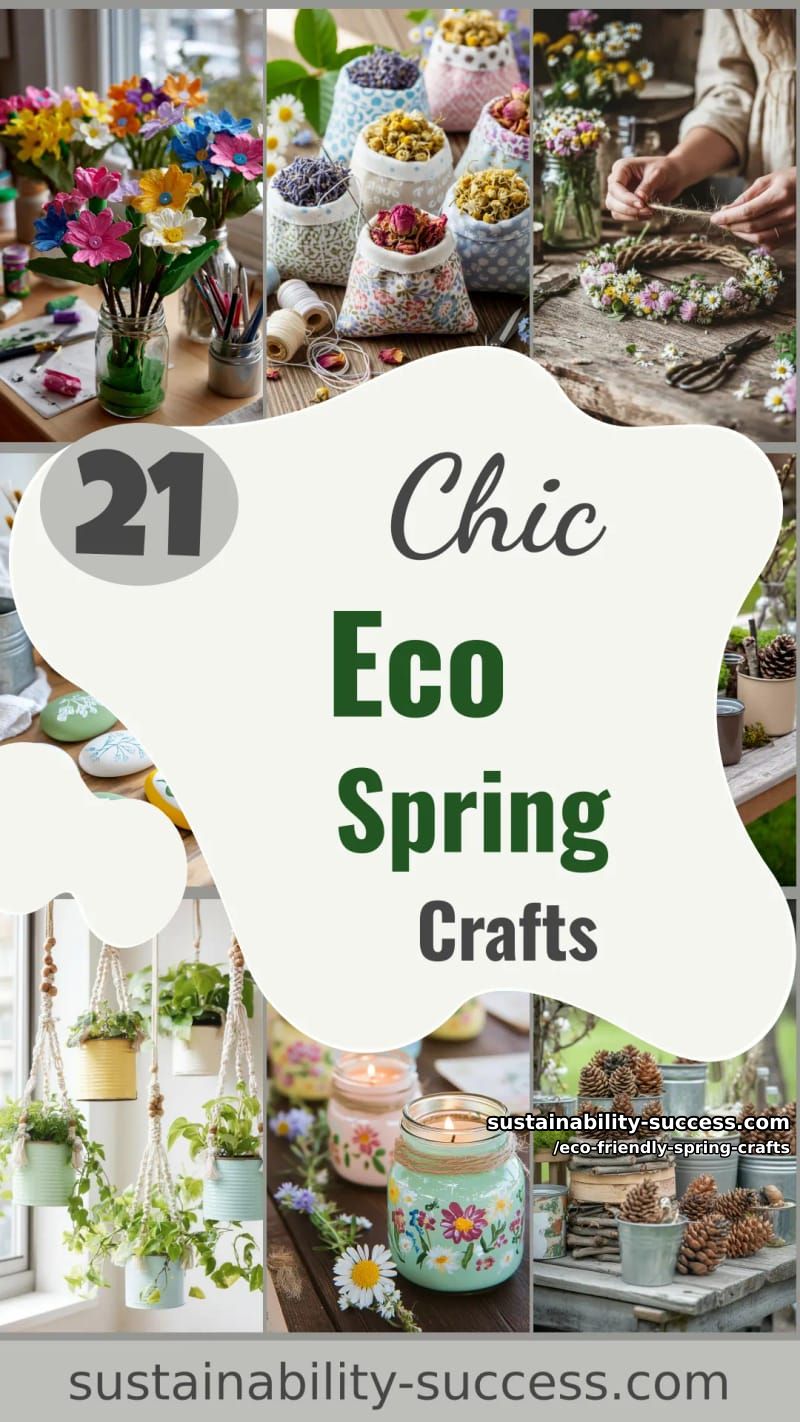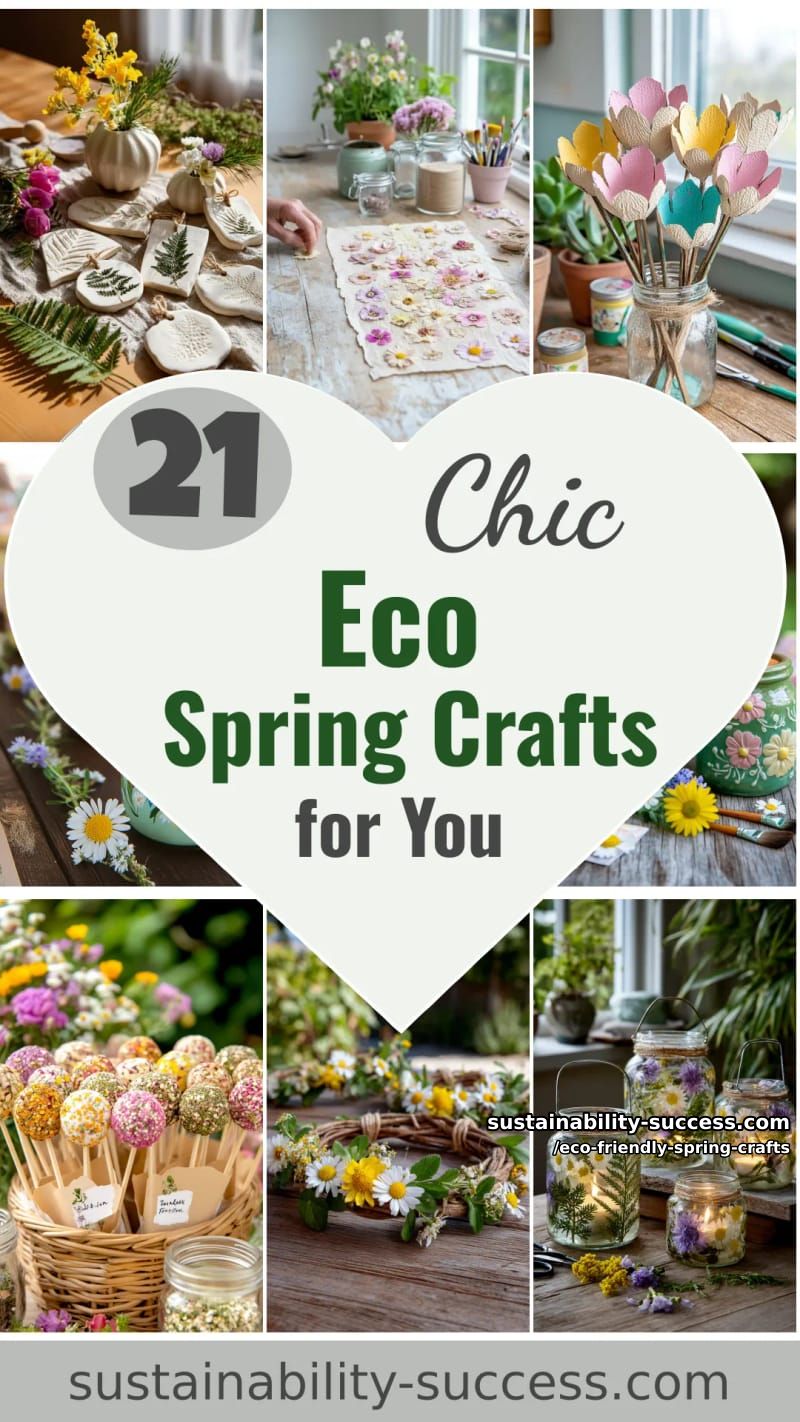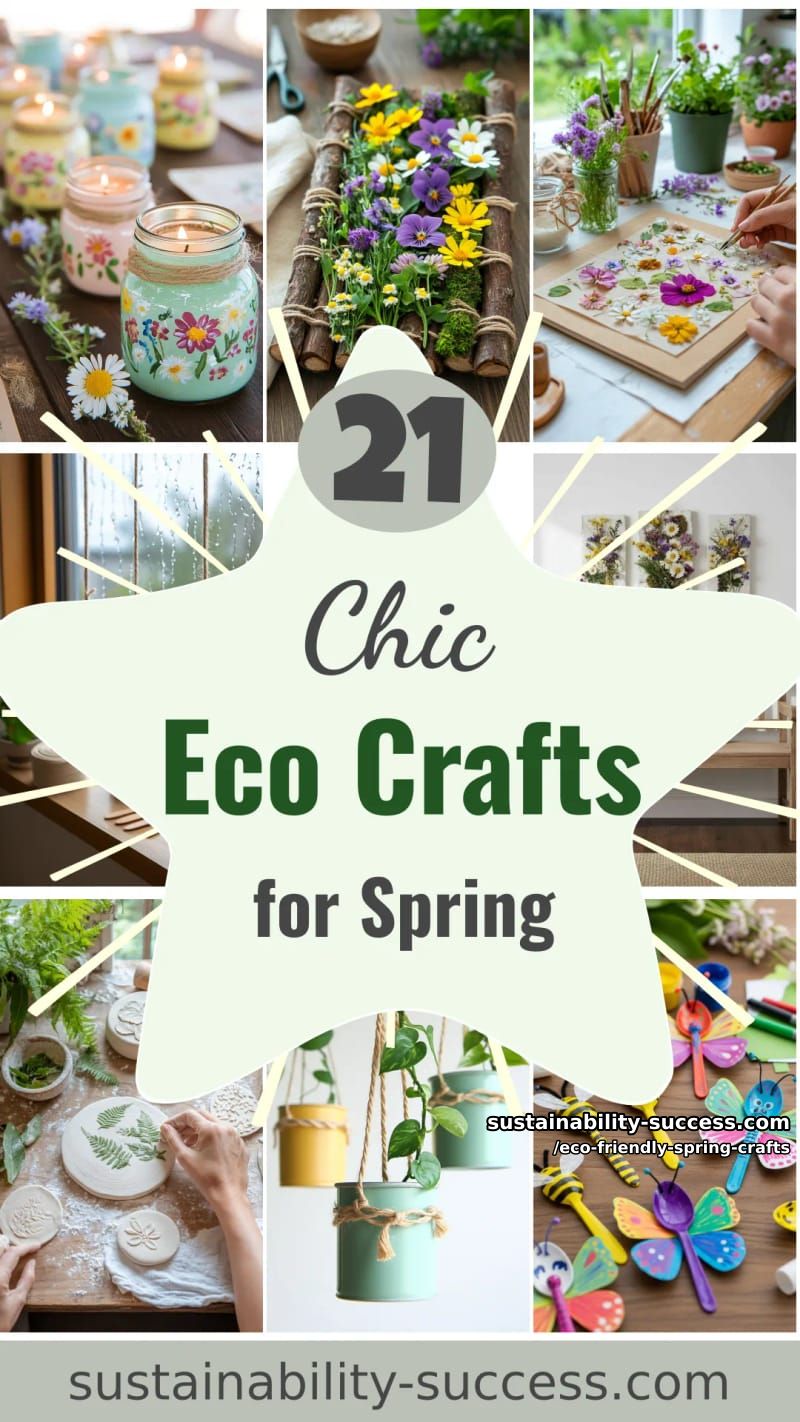

Spring’s warmth calls us outside, but why stop there? Channel that fresh energy into eco friendly spring crafts that put old odds and ends to new use.
Why toss what you can transform into bright bouquets, playful wind chimes, or garden treasures?
These projects don’t just spark creativity, they teach kids and adults how small changes help the planet. Grab those empty jars, cardboard scraps, and fallen petals.
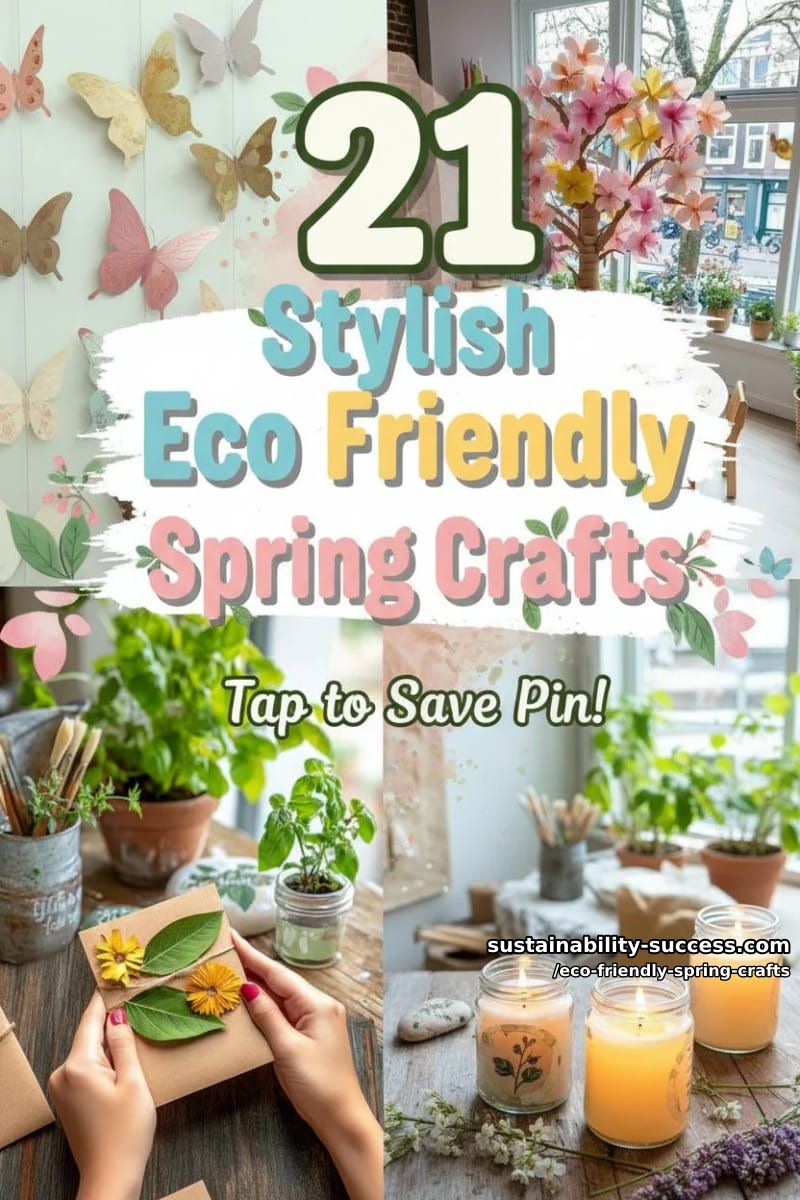
Ready for simple tips and clever ideas? Let’s get your hands busy and the earth a little happier.
1. Create vibrant egg carton flower bouquets with painted recycled materials
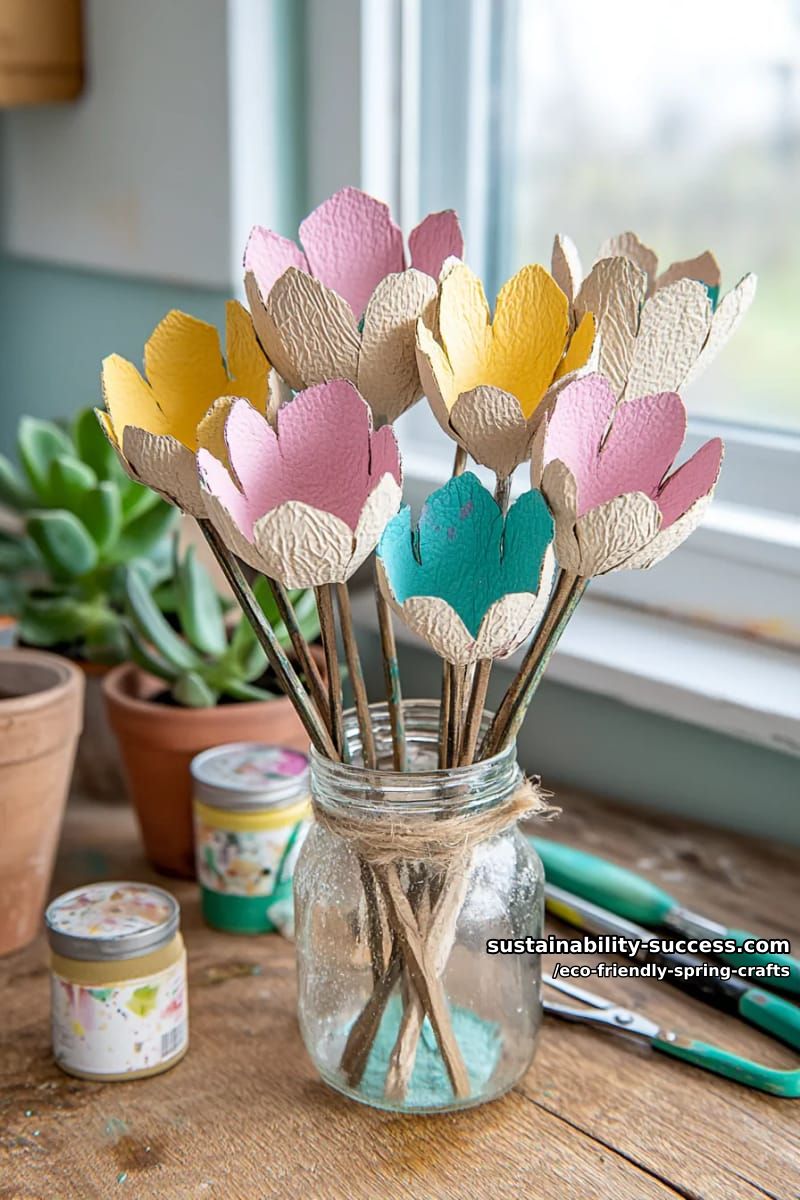
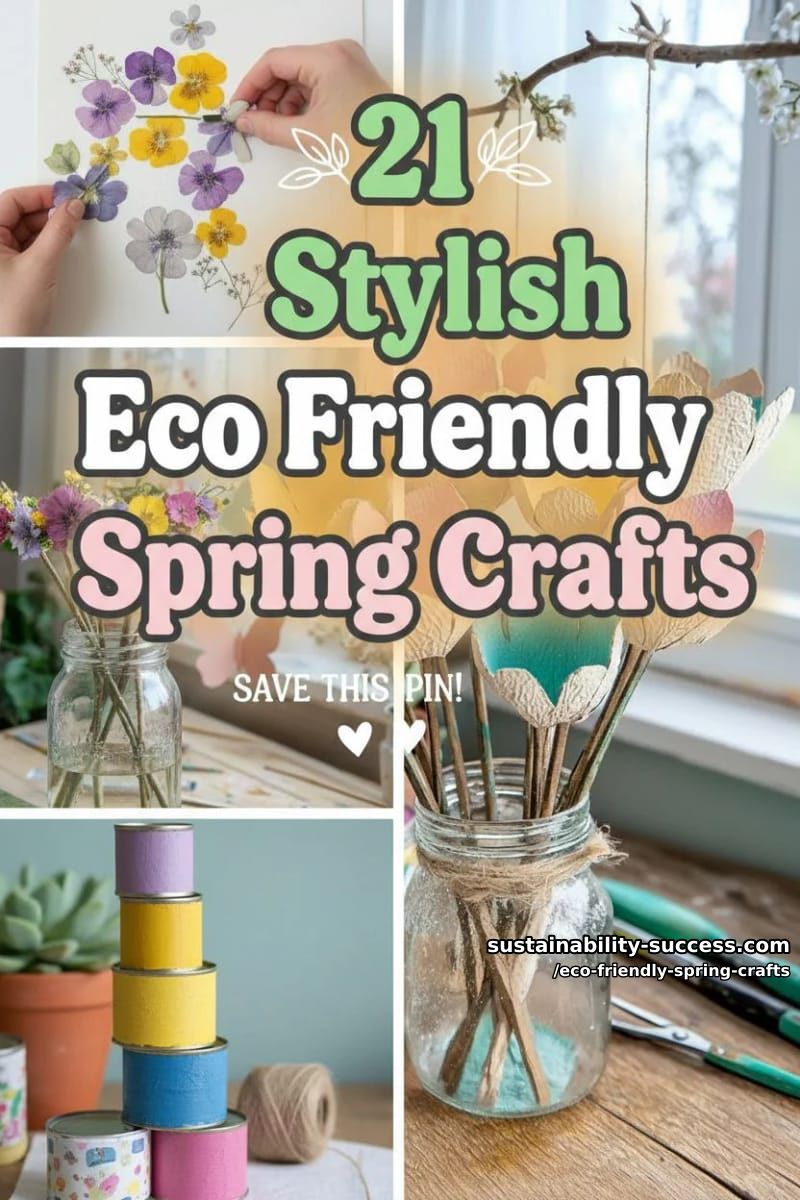
Who knew yesterday’s egg carton could become today’s centerpiece? Grab leftover cartons, some non-toxic paints, and scissors. Cut, paint, and shape the cups into petals. Arrange them on old chopsticks or twigs.
Suddenly, you’ve got a lively bouquet, minus the waste and wilted blooms.
Kids love the process, and adults can’t argue with the savings. However, paint might bleed if you use flimsy cartons or too much water.
Stick to thicker cartons and let each coat dry fully. It’s a frugal, eco-friendly way to brighten your home and teach resourcefulness.
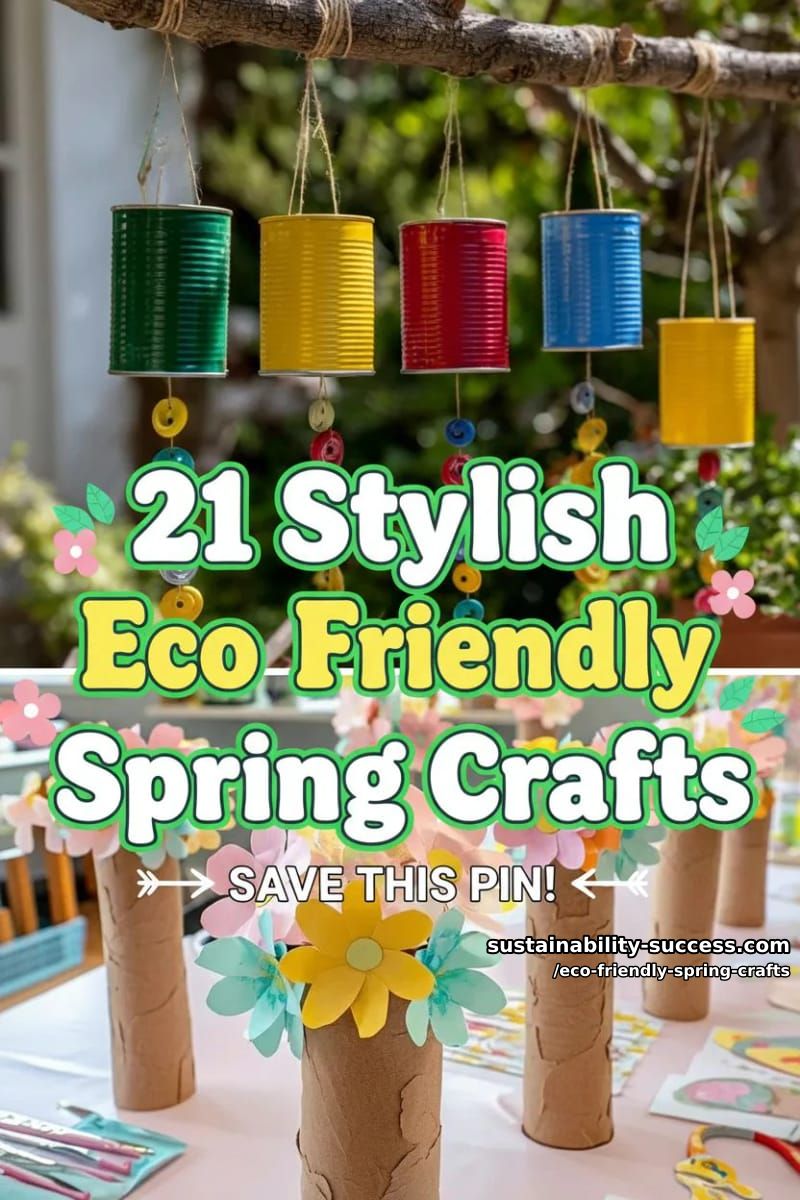
2. Make whimsical wind chimes using tin cans and colorful bottle caps
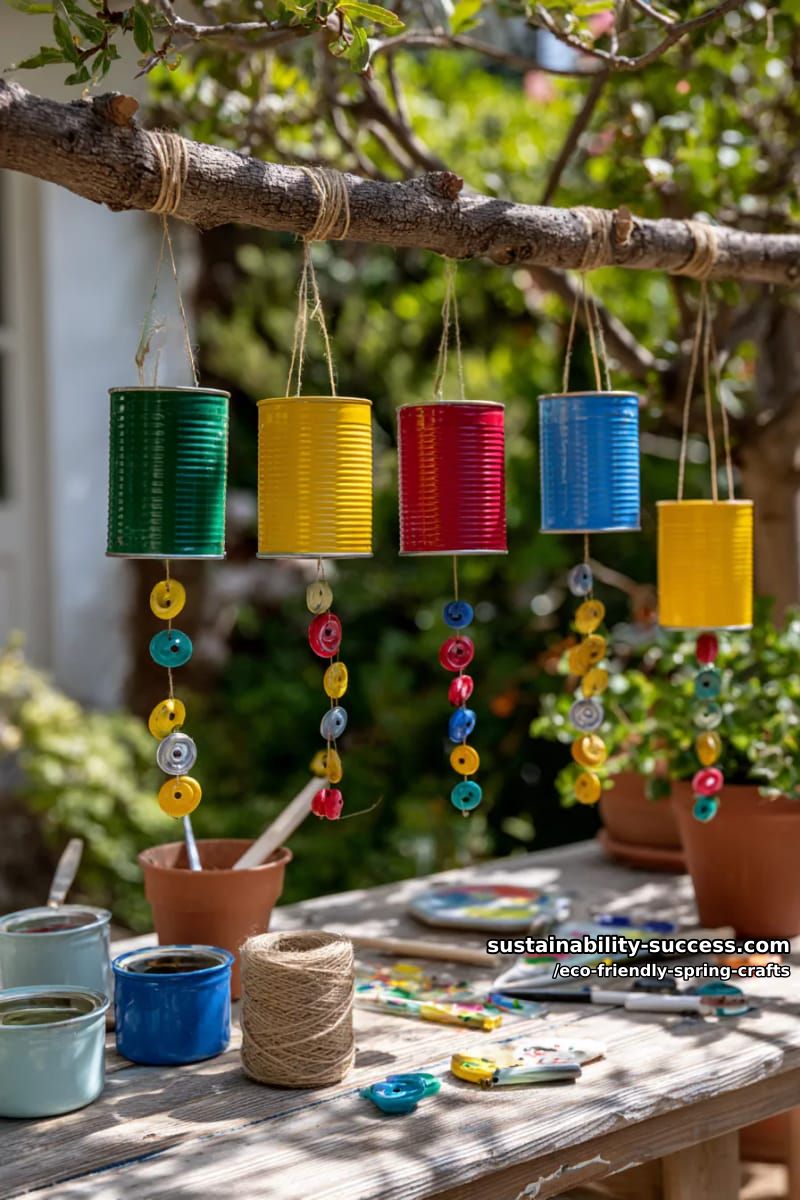
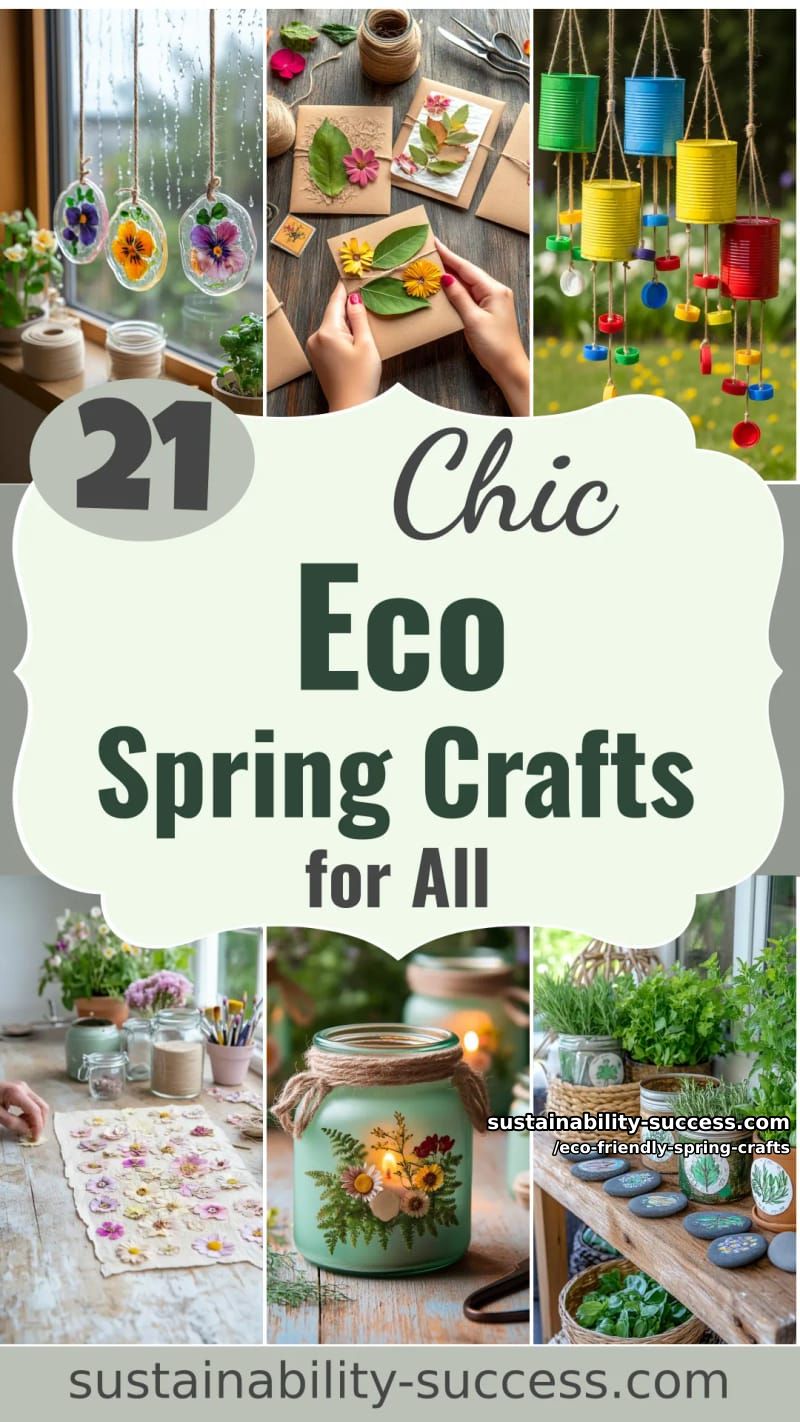
Old tin cans and bottle caps can skip the landfill and become eye-catching wind chimes.
This project asks for nothing fancy, just cleaned cans, painted or left rustic, and a handful of vibrant caps strung on twine.
Kids and adults both get creative, and the result? Art that actually sings in the breeze.
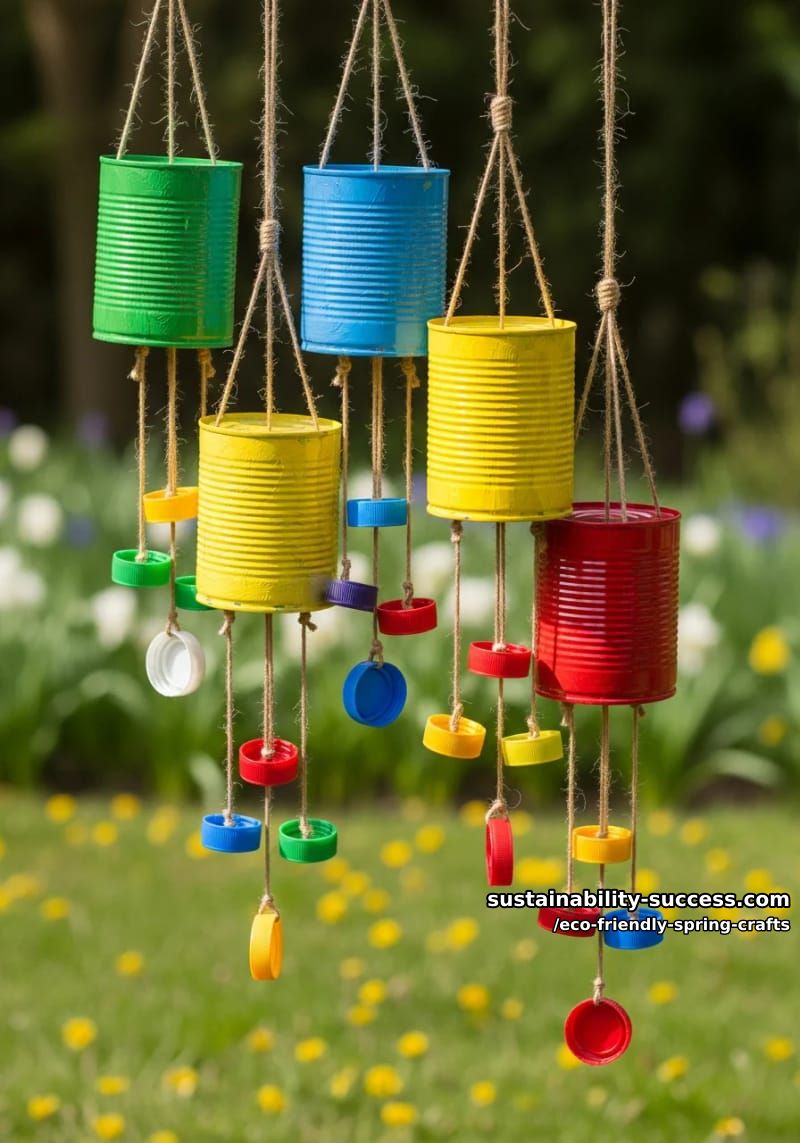
Don’t worry about perfect symmetry. Part of the magic is in the quirky clatter and mixed colors. Just avoid sharp edges by sanding cans and poking holes with care.
Neighborhood birds may not audition, but your porch will gain a cheerful soundtrack, all from items you nearly tossed out.
3. Craft blooming wall art with pressed spring flowers and cardboard

Pressed spring flowers can turn plain cardboard into charming wall art. Gather blossoms from your yard, press them in a book for a week, and glue them onto recycled cardboard shapes.
It’s simple, affordable, and lets you bring nature indoors, without spending a dime at the craft store.
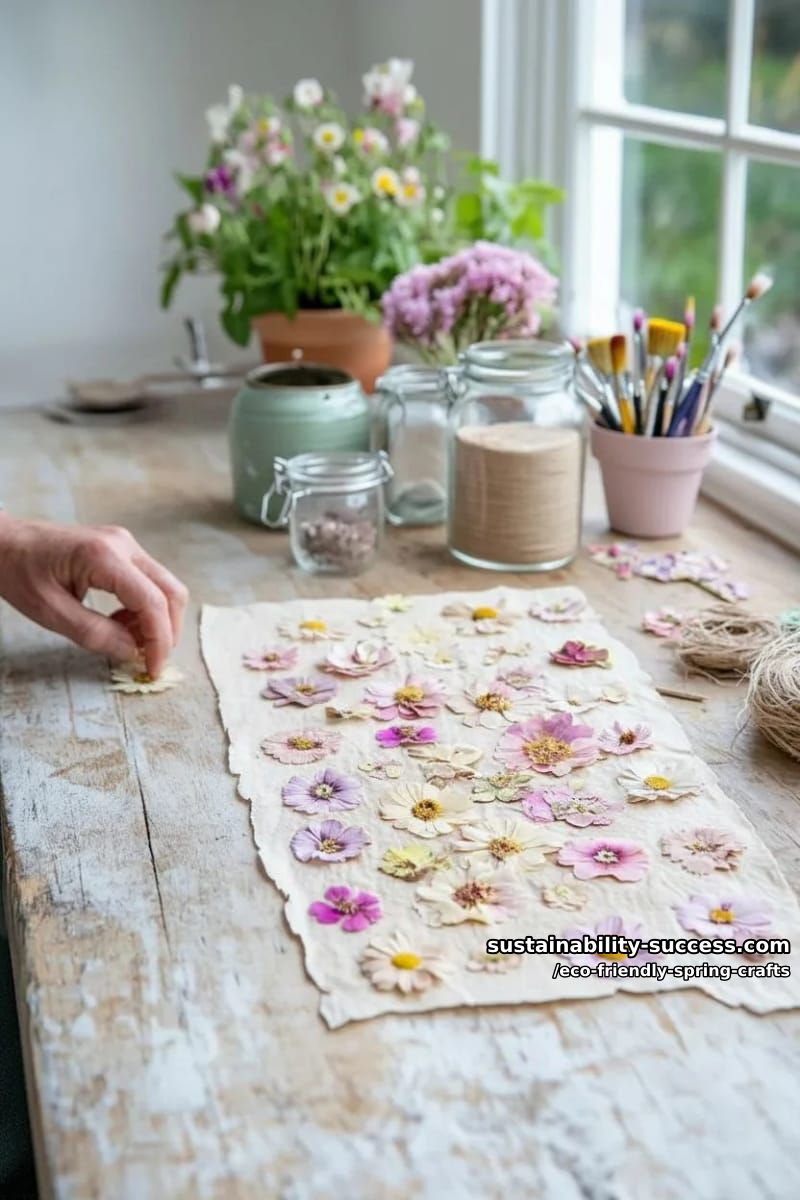
Some flowers lose their color after pressing, so pick vibrant petals like violets or pansies. Arrange them in patterns or abstract designs for a personal touch.
This project reduces waste and makes use of what’s already blooming outside your window. Give your walls a seasonal refresh, no green thumb required.
4. Weave wildflower crowns from natural twine and backyard blossoms
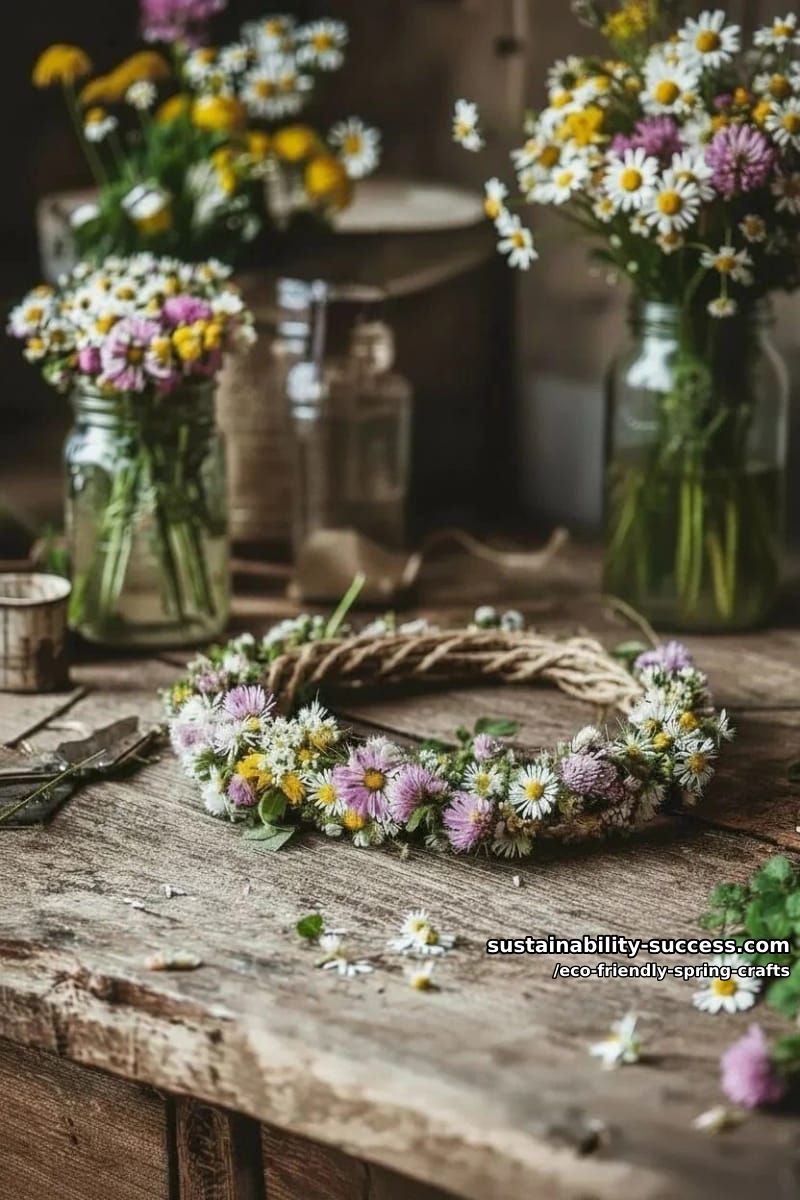
Wildflower crowns bring spring to your hair with almost zero waste. Gather blooms from your yard and twist them into a simple ring using natural twine. No need for glue or plastic.
Kids and adults alike can join in, just remember, dandelions work as well as daisies.
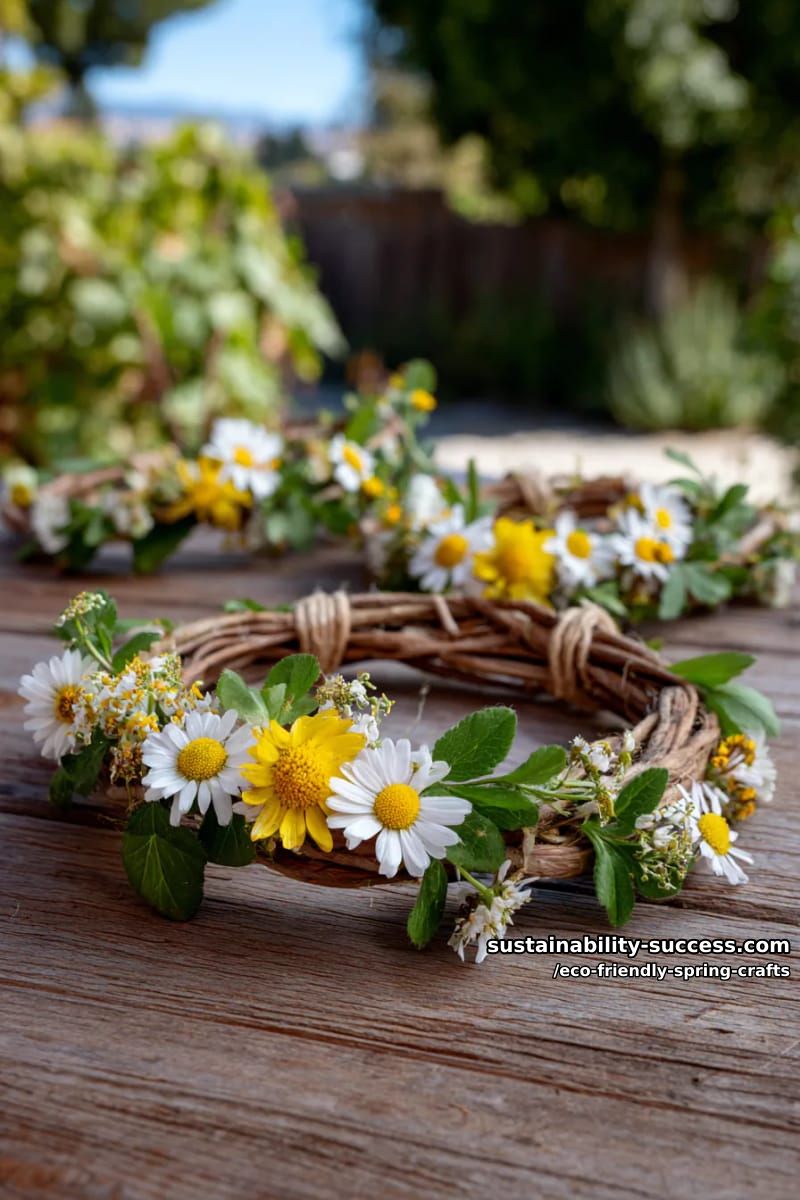
Why buy synthetic party hats when a crown made from your own garden feels like a celebration? Your creation will wilt, sure, but that’s nature’s way.
Compost the remains and start fresh next week. Creating these crowns is easy, affordable, and honestly, beats another craft kit any day.
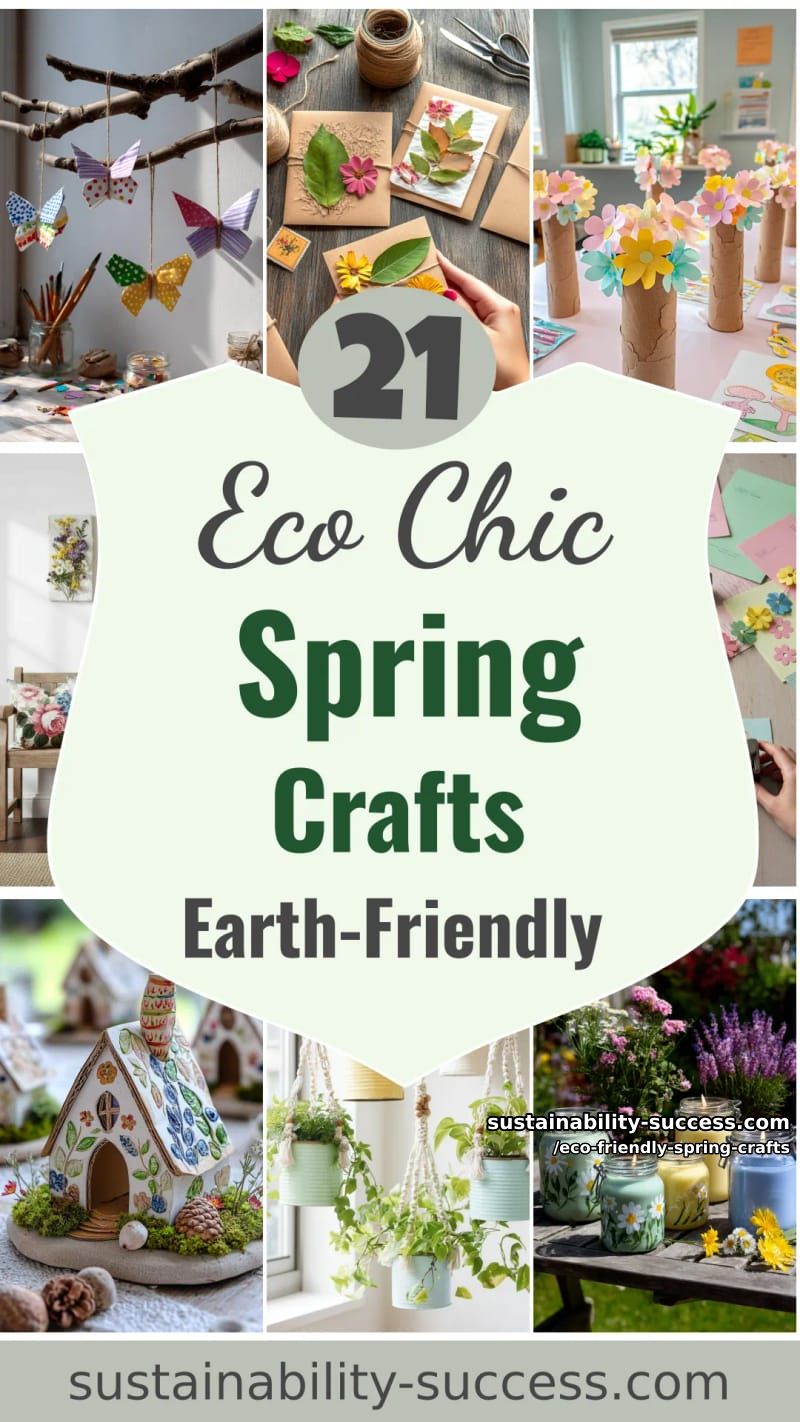
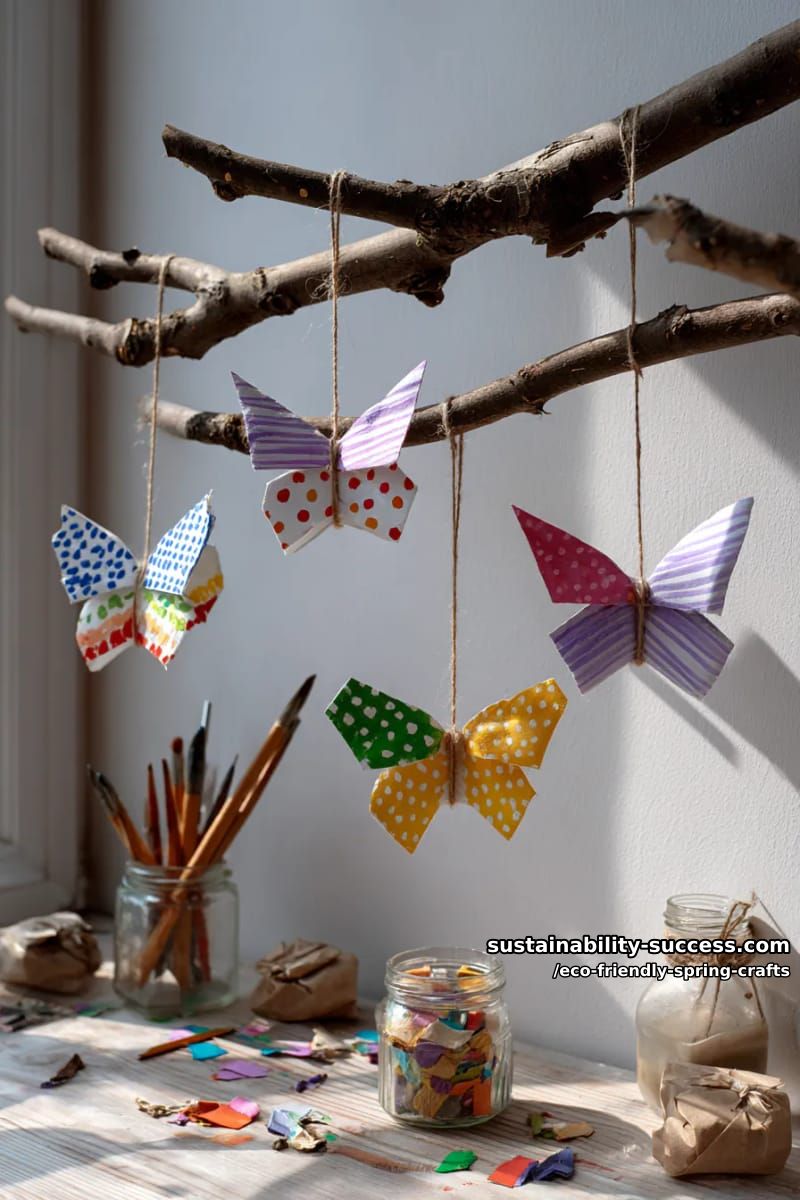
5. Assemble butterfly mobiles from painted recycled paper and twigs
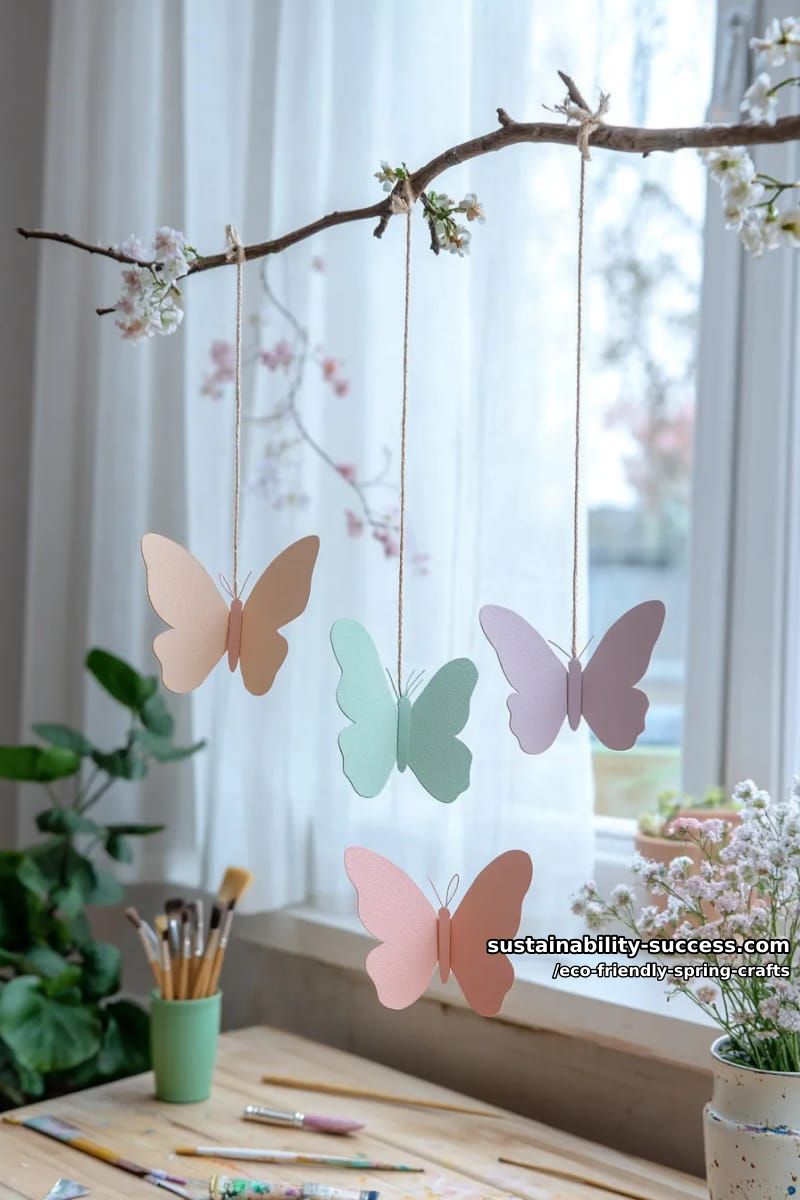
Grab some old newspapers or junk mail, add a splash of color, and cut out butterfly shapes. Pair these with twigs collected from the yard.
String them together, and you’ve got an eco-friendly mobile. This project keeps waste out of landfills and brings cheerful movement to any room.
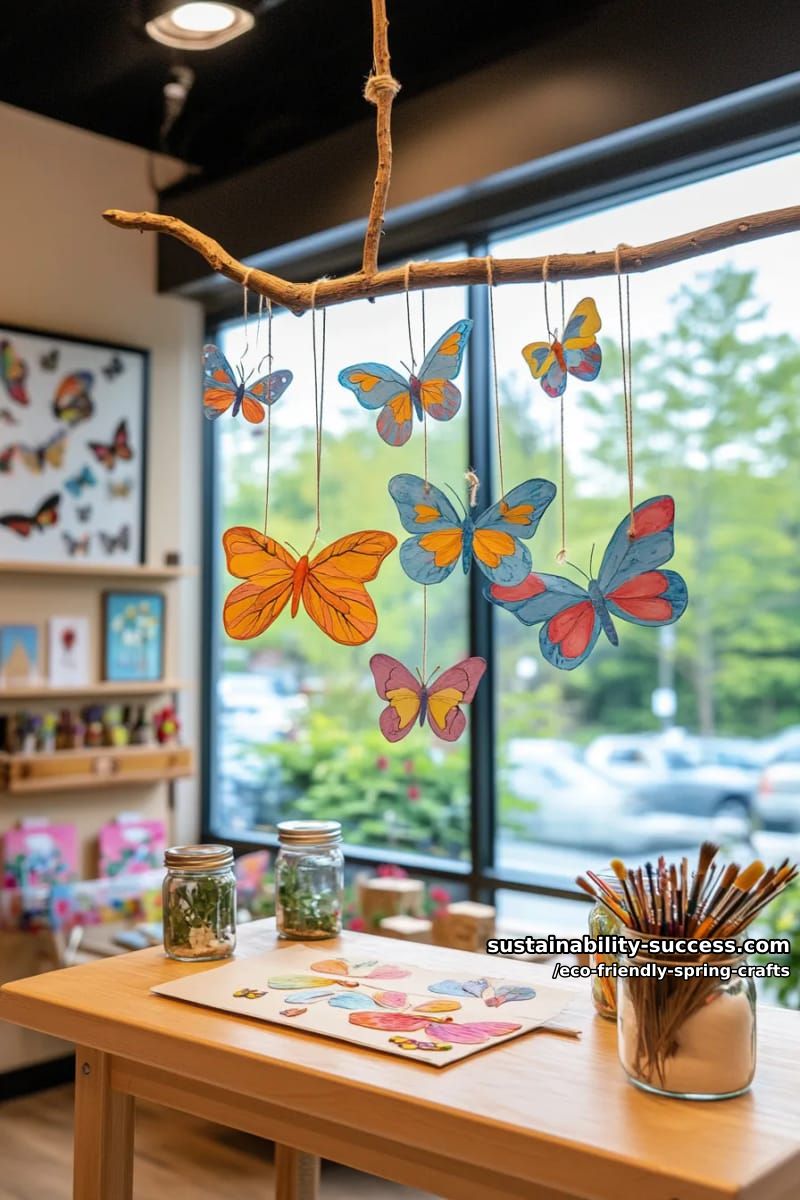
Forget plastic and glue-heavy kits. Using what’s on hand saves money and teaches kids about creativity with limits.
Sure, recycled paper isn’t as sturdy as store-bought materials, but that’s part of the charm, these mobiles flutter just like real butterflies on a breezy spring day.
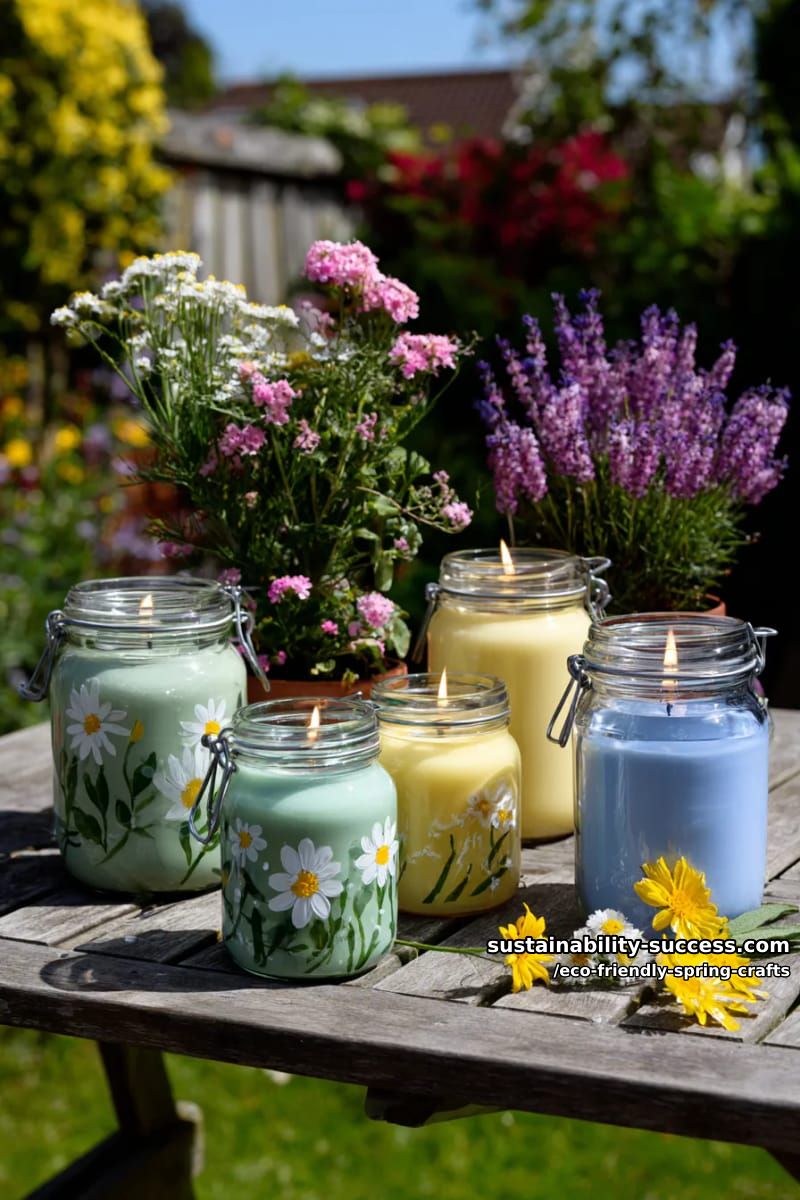
6. Paint springtime jars for upcycled garden lanterns with wildflowers
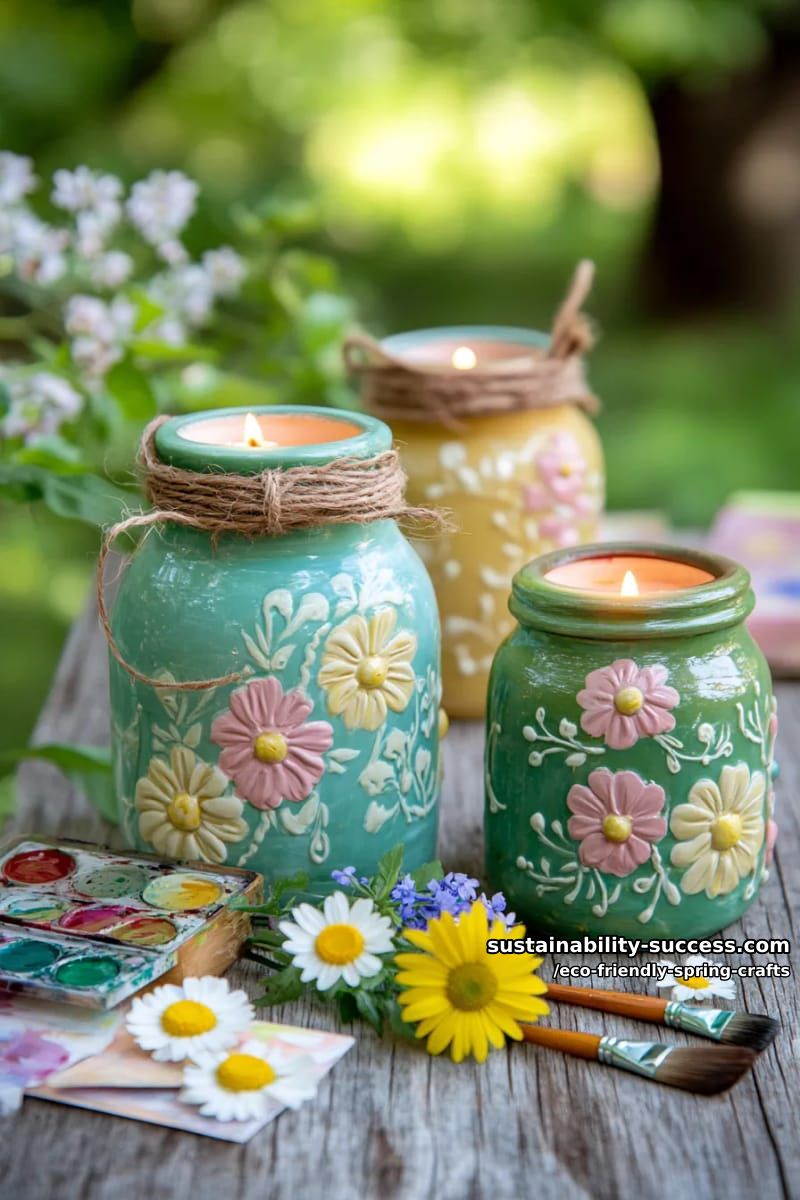
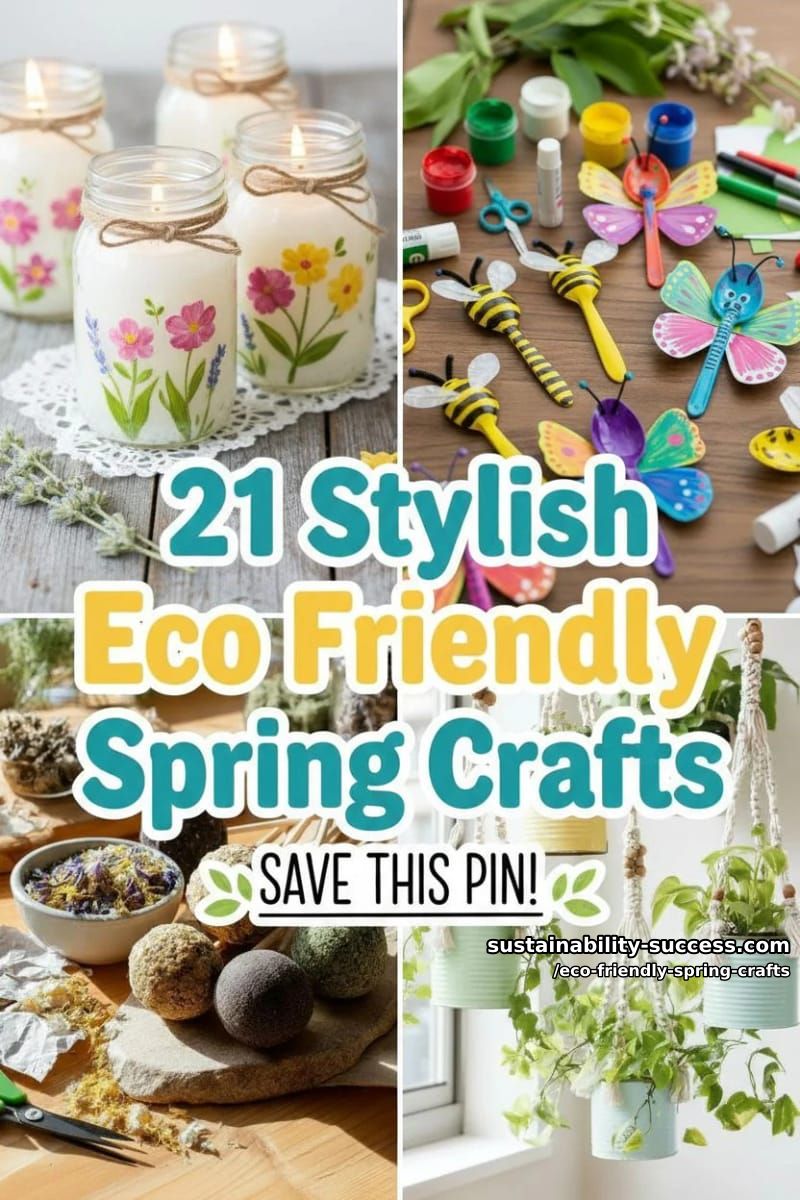
Grab some old glass jars and splash them with pastel paints, think soft greens or sunny yellows. Once dry, tuck in a tea light and a handful of wildflowers.
These lanterns add color to your garden by day and a gentle glow by night. Kids love this hands-on project.
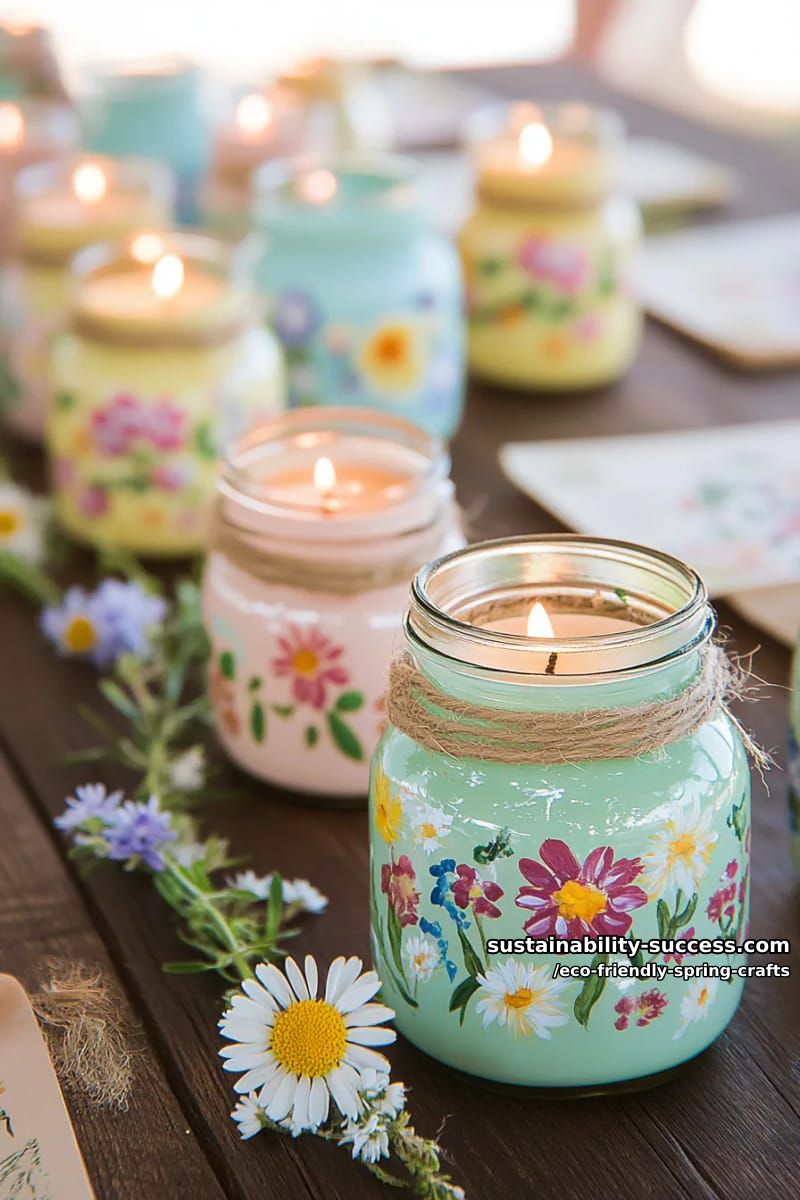
Eco-friendly? Absolutely. You’re saving glass from the recycling bin and using natural blooms. The only real snag, glass can break if dropped, so place them carefully.
Get creative with stencils or keep it simple with abstract brushstrokes. Either way, your garden gets a fresh, handmade touch.
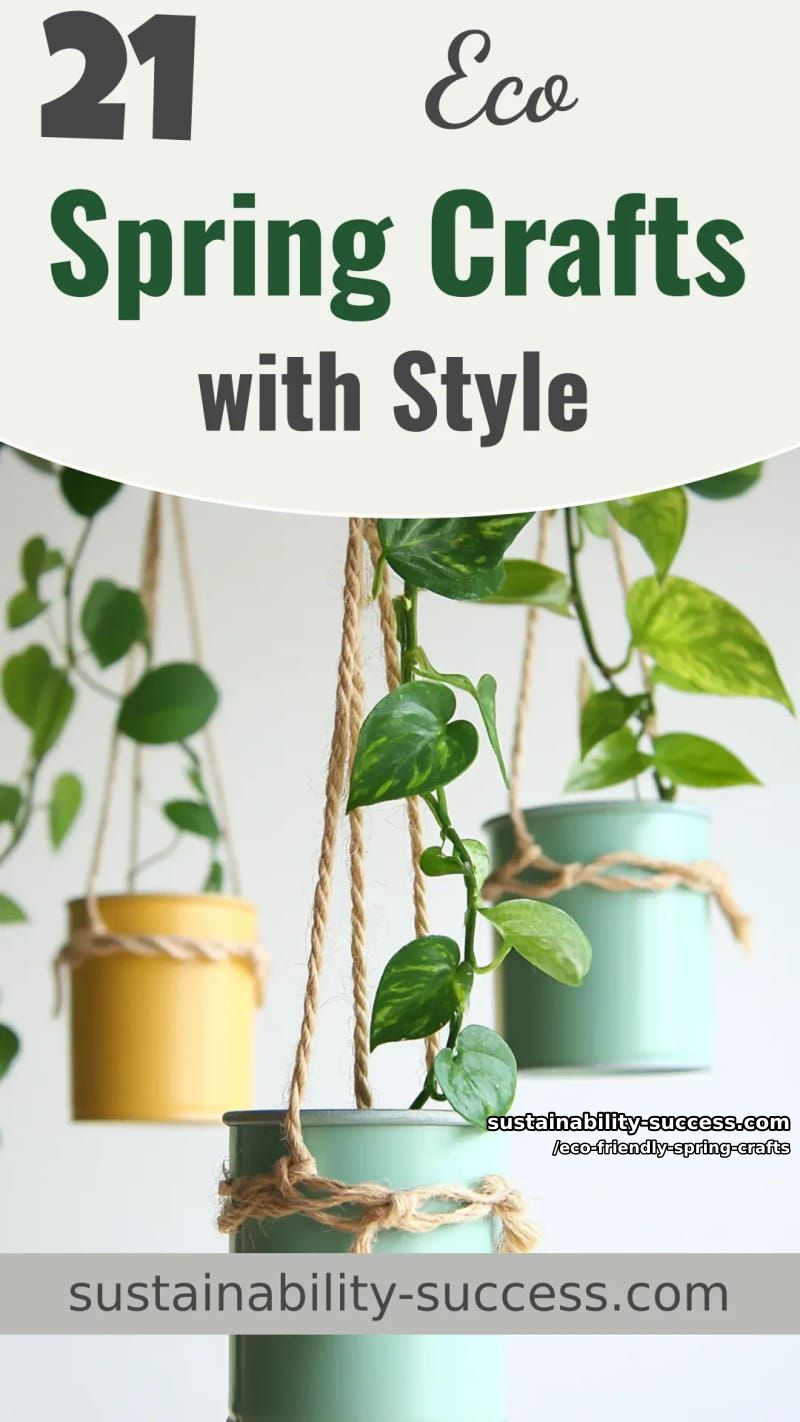
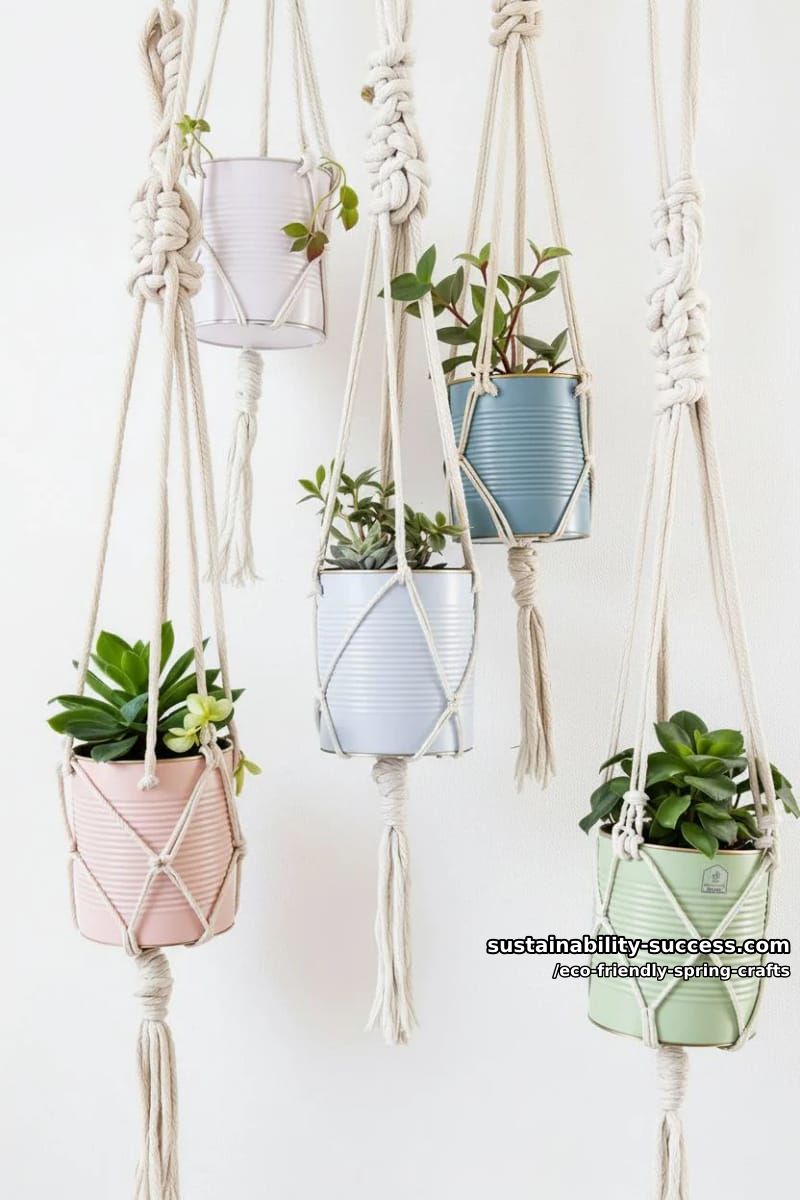
7. Design eco-friendly hanging planters using tin cans and macrame
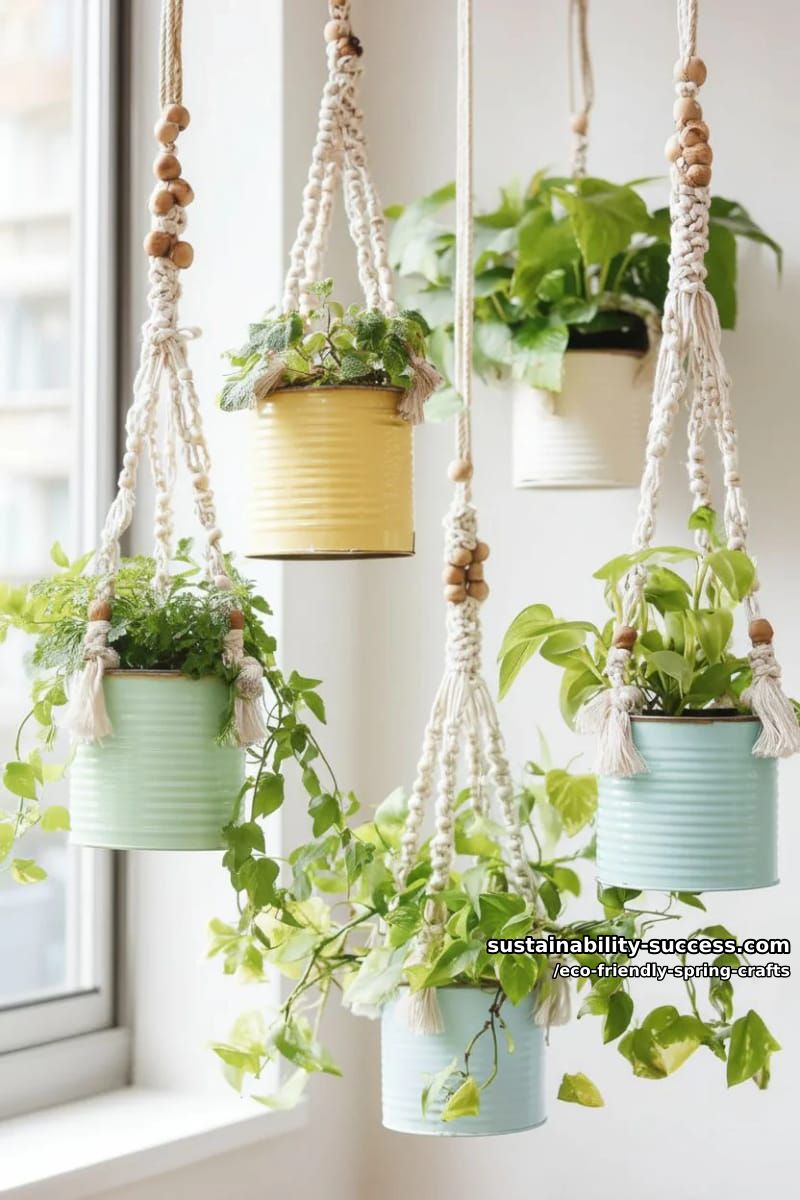
Old tin cans collecting dust? Give them a second chance as stylish hanging planters. Clean them, punch a few drainage holes at the bottom, and add a coat of non-toxic paint.
This simple upcycling project stops more waste from heading to landfills and brings extra color to your home.
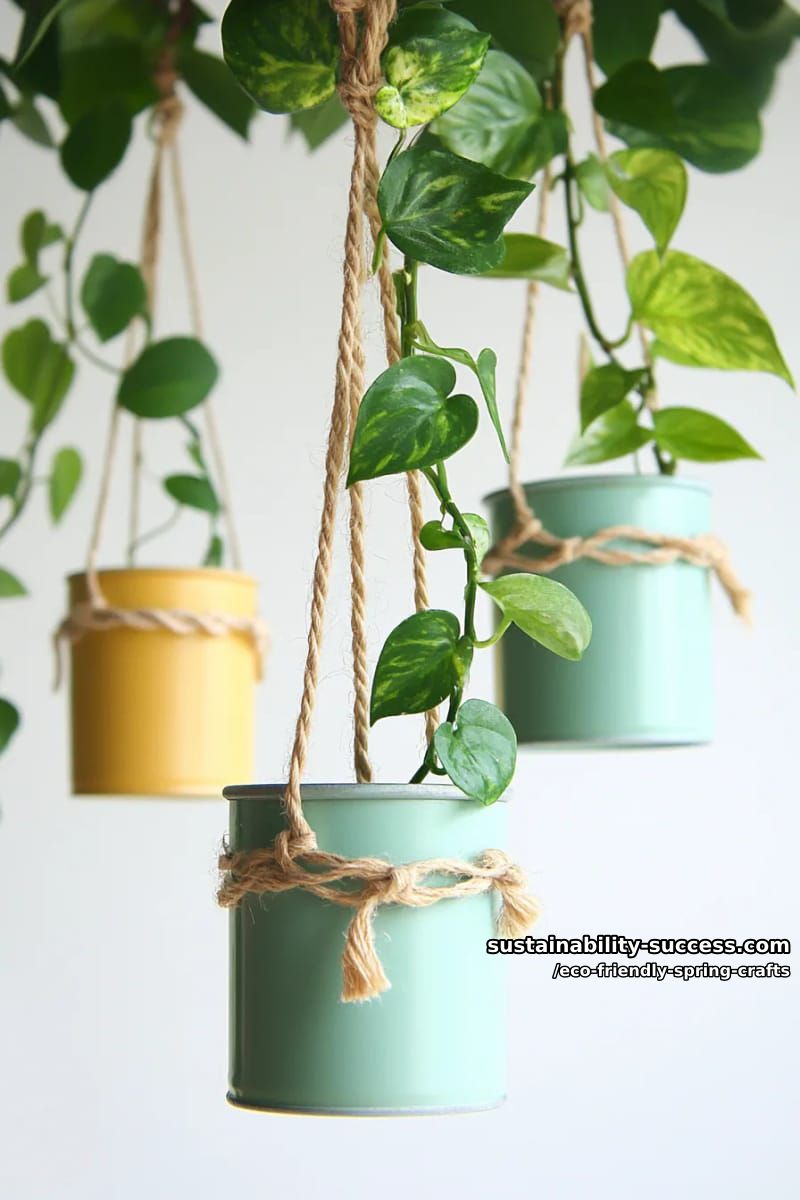
Pair those cans with some basic macrame. Even beginners can tie a few knots using natural cotton cord. The end result? A charming planter that’s both affordable and sustainable.
Why buy new when you can create something eye-catching from items you already own?
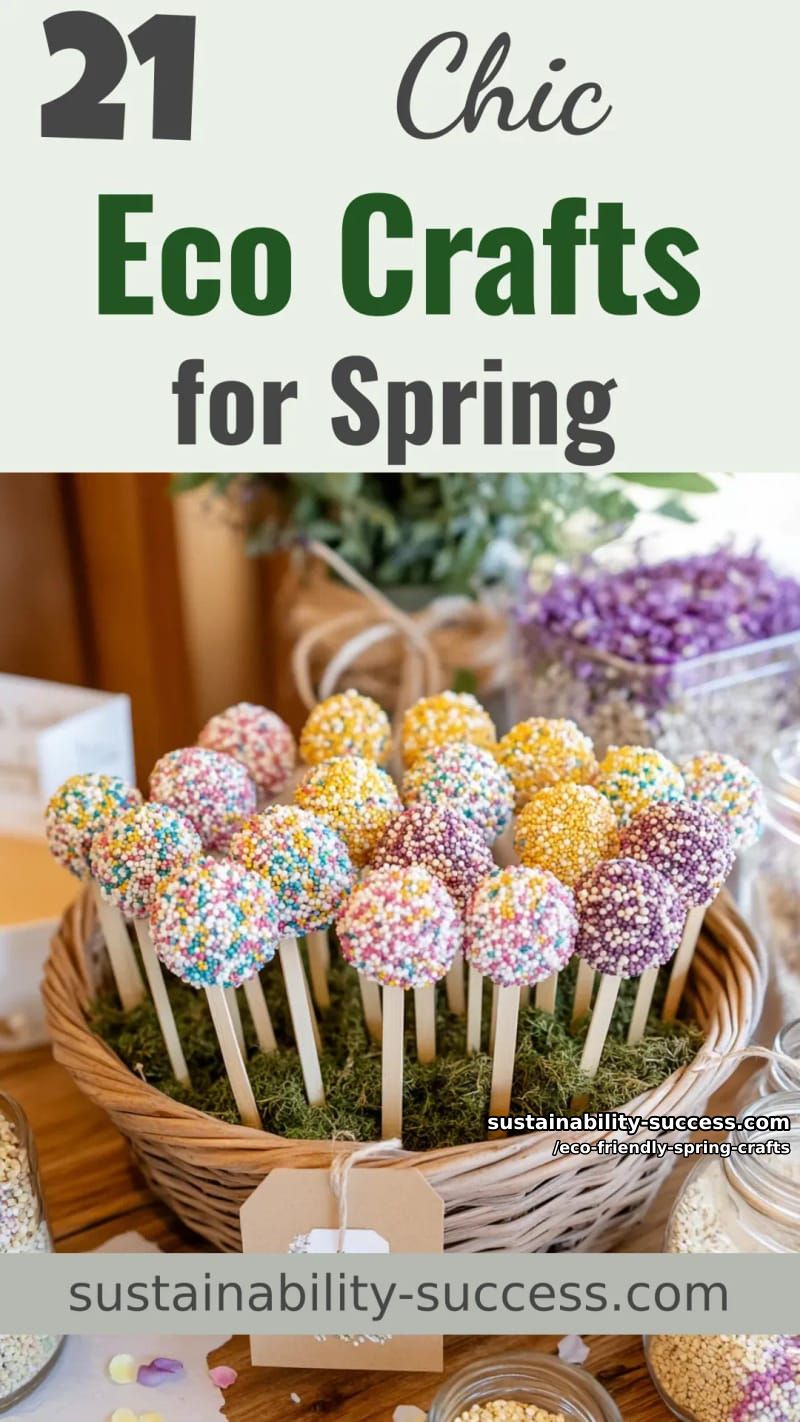
8. Grow seed bomb pops with recycled sticks and homemade wildflower mix
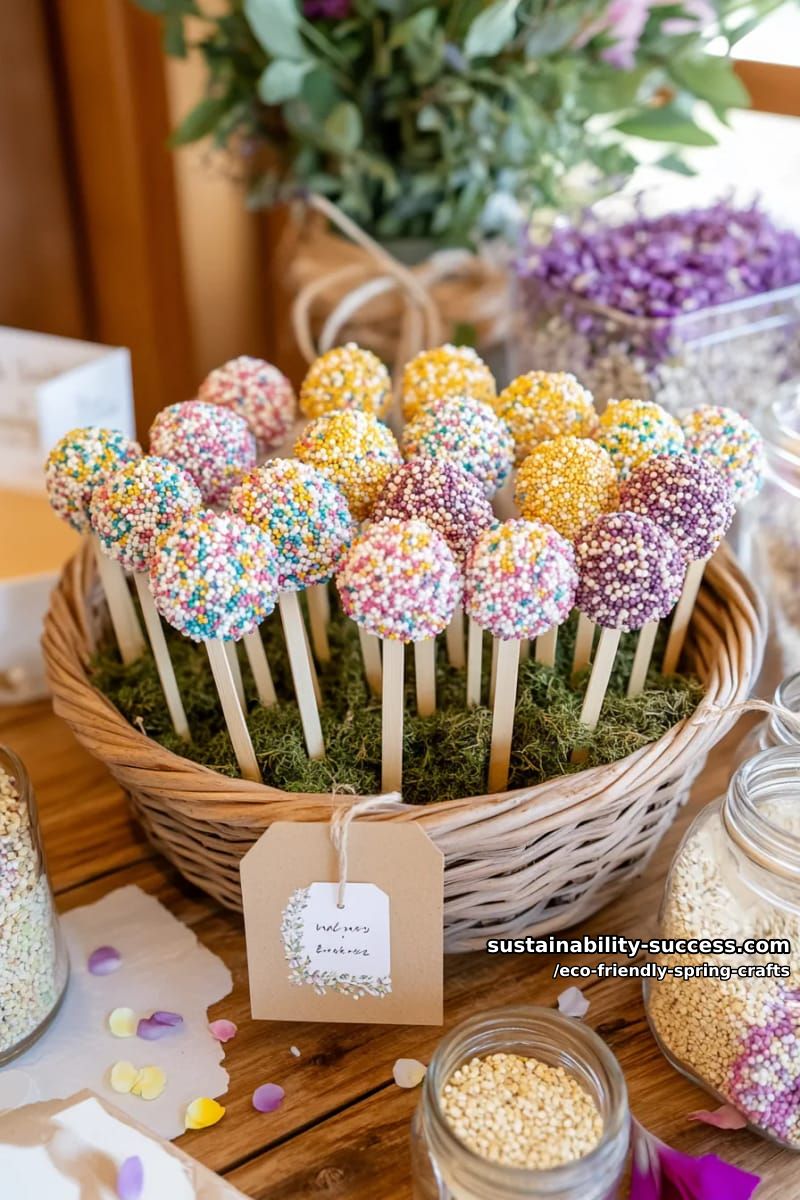
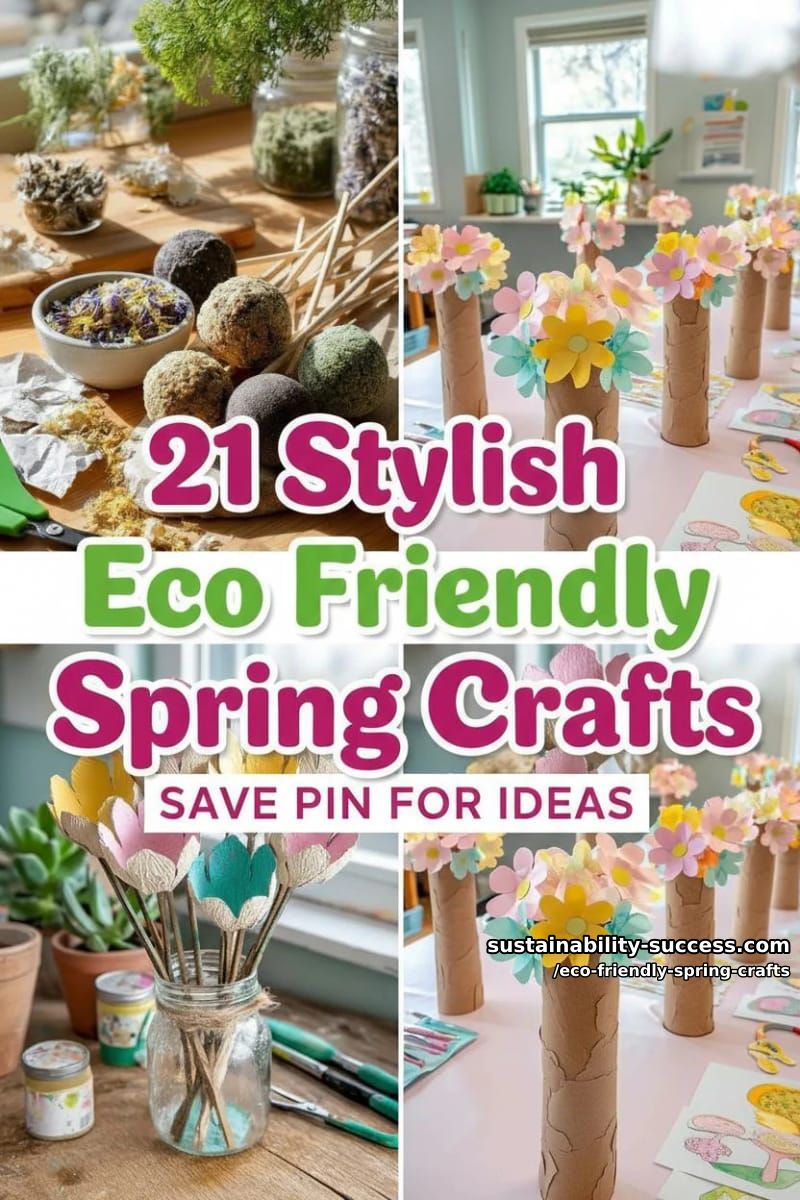
Seed bomb pops pack a punch for both creativity and the environment. Grab recycled popsicle sticks, blend clay, soil, and wildflower seeds, then shape the mixture around each stick.
Kids love the hands-on mess, and every “pop” helps pollinators by sowing new blooms in gardens or empty lots.
Why settle for plastic trinkets when you can make something that grows? These seed bombs give new life to leftover sticks and encourage curiosity about nature.
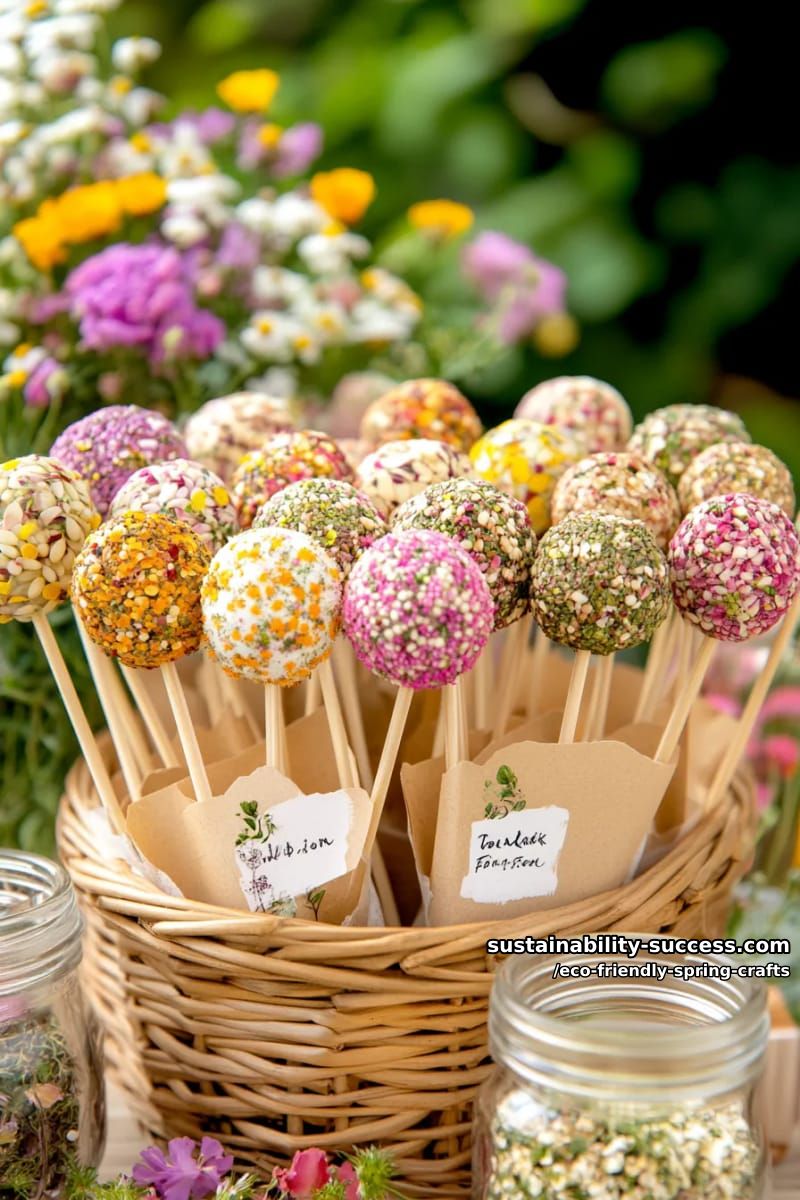
Remember, use native wildflowers for the best results. Some seeds might not sprout, but that’s all part of the learning process.
9. Decorate greeting cards using real leaves and pressed petals
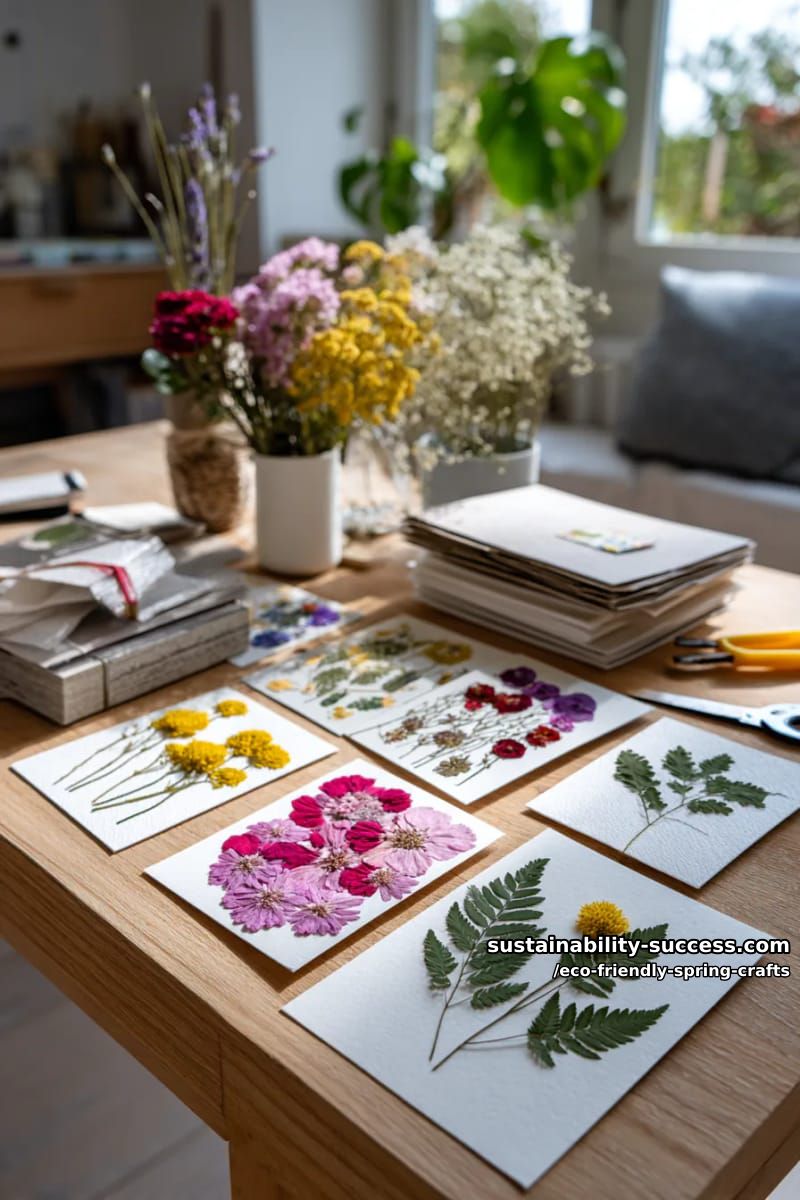
Who needs glitter bombs when nature offers masterpieces for free? Grab some real leaves or pressed petals and glue them to blank cards.
The textures and colors create a striking effect, no two cards look the same. It's simple, affordable, and beats mass-produced cards by a country mile.
Kids can help by collecting leaves, or you can press petals between books for a week. Want to go further? Use recycled paper for the card base.
Some leaves might crumble if handled roughly, but that's a small price for authentic beauty. Your friends will appreciate receiving something with a personal touch.
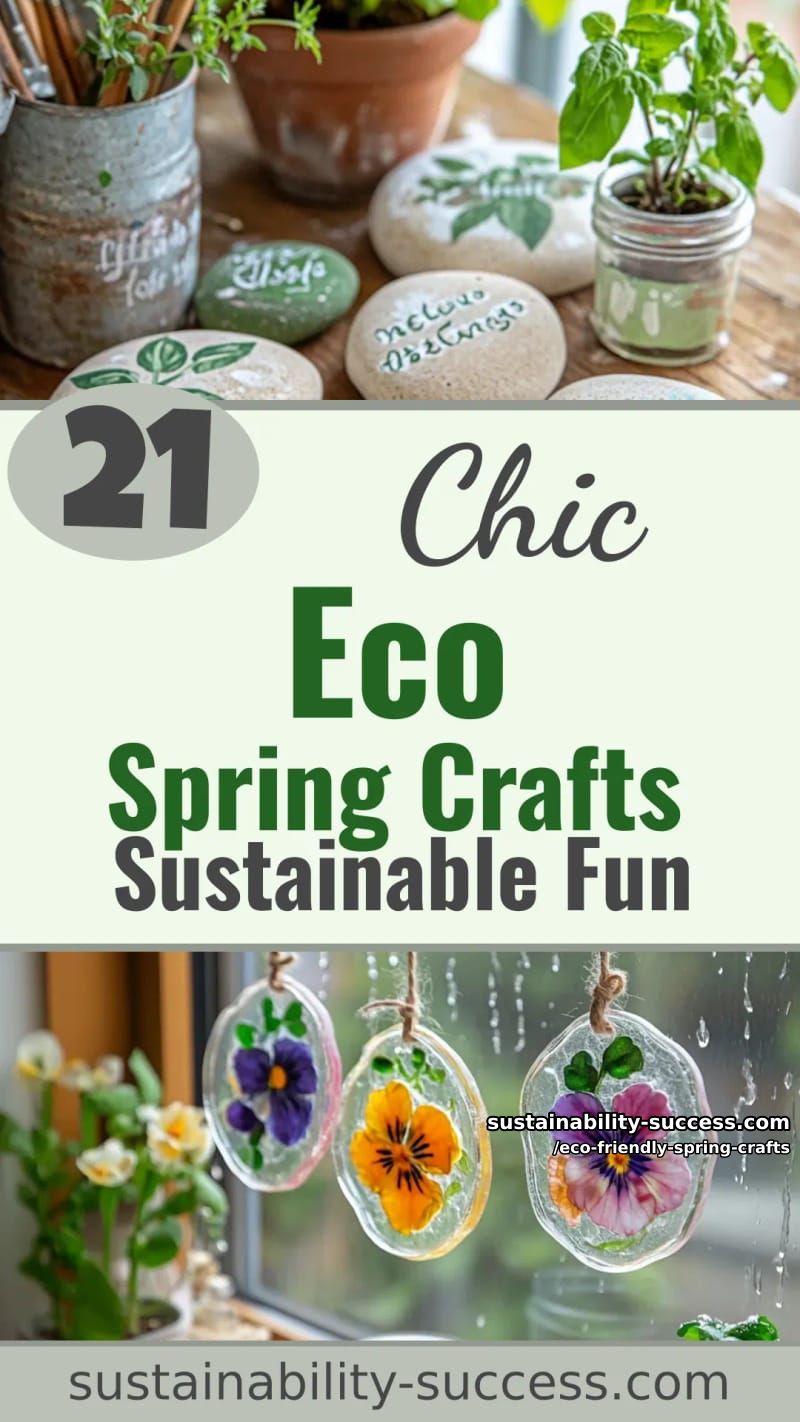
10. Build rainy day suncatchers with bioplastic and flower petals
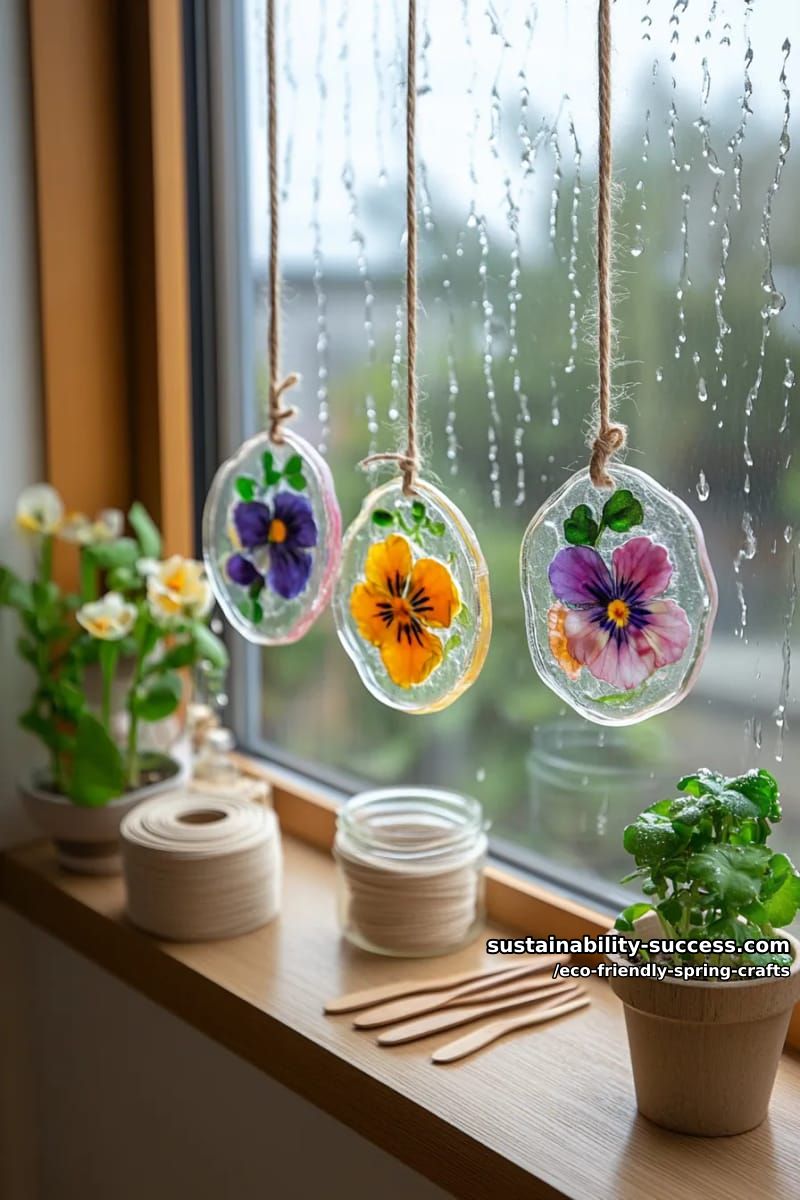
Rainy days can spark creativity, especially with eco-friendly suncatchers made from bioplastic and real flower petals. Kids get hands-on with nature while learning about sustainability.
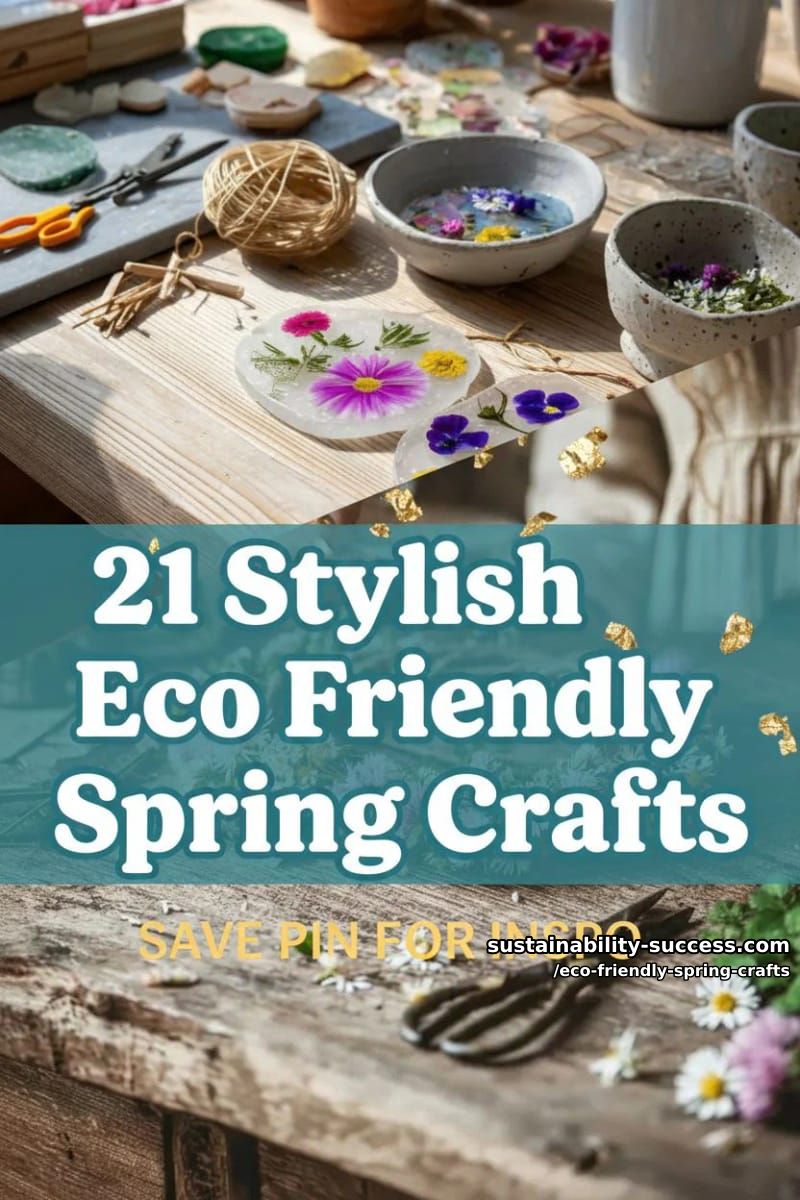
Simply dissolve gelatin in water, pour it into shallow molds, and sprinkle in petals. Let them set, then hang in a window for cheerful, earth-conscious color.
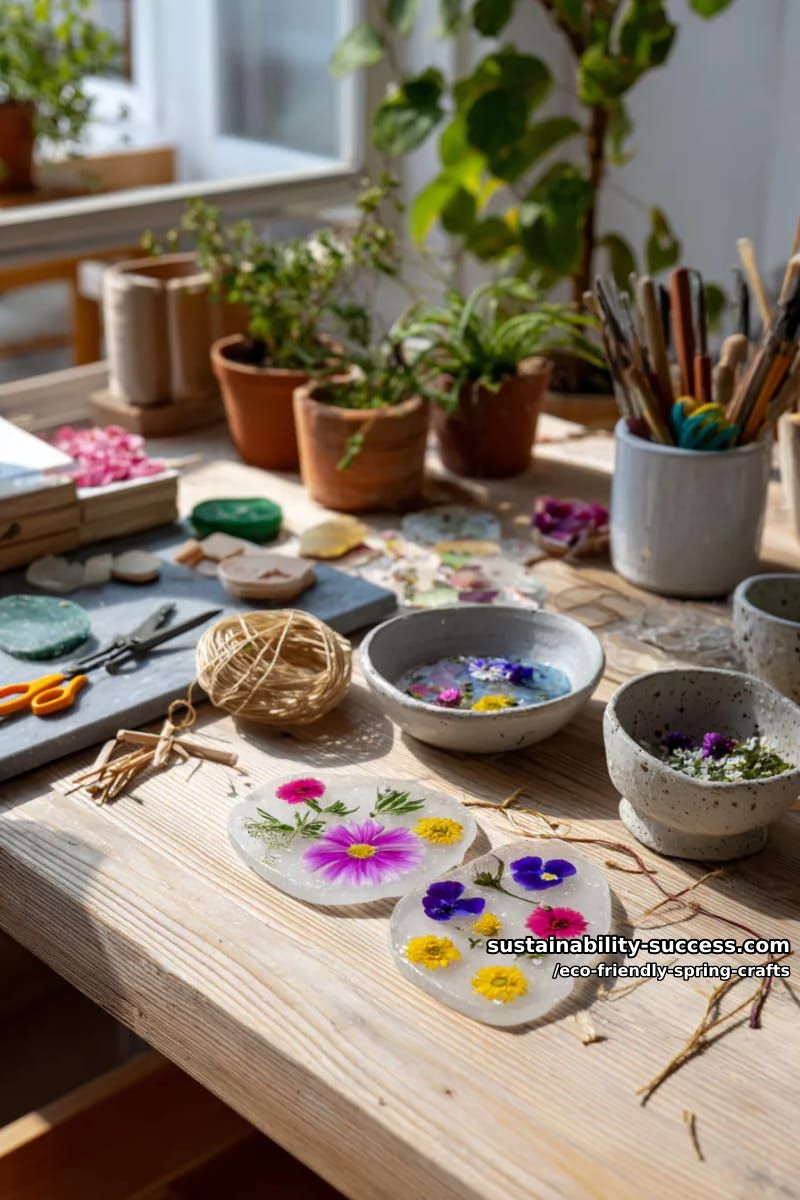
This craft keeps plastic waste at bay and provides a science lesson in one go. Bioplastic breaks down naturally, so cleanup is simple, no guilt from tossing them when the colors fade.
Why stick to store-bought decor when your windows can showcase a mini wildflower garden, rain or shine?
11. Upcycle toilet paper rolls into chirpy spring birds with paint
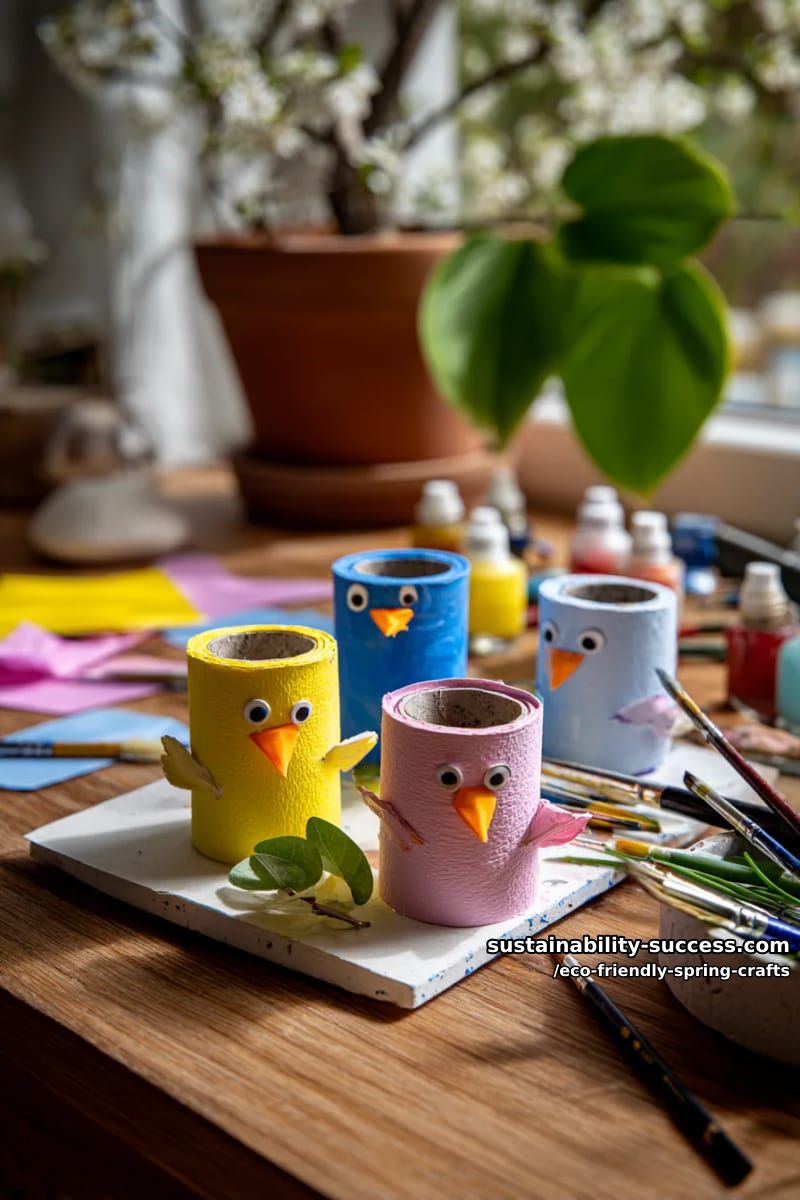
Grab those empty toilet paper rolls, don’t toss them just yet! With a splash of paint and a few scraps of colored paper, they become playful spring birds.
Kids love the process, and you sidestep waste. Why buy plastic decorations when your recycling bin holds creative gold?
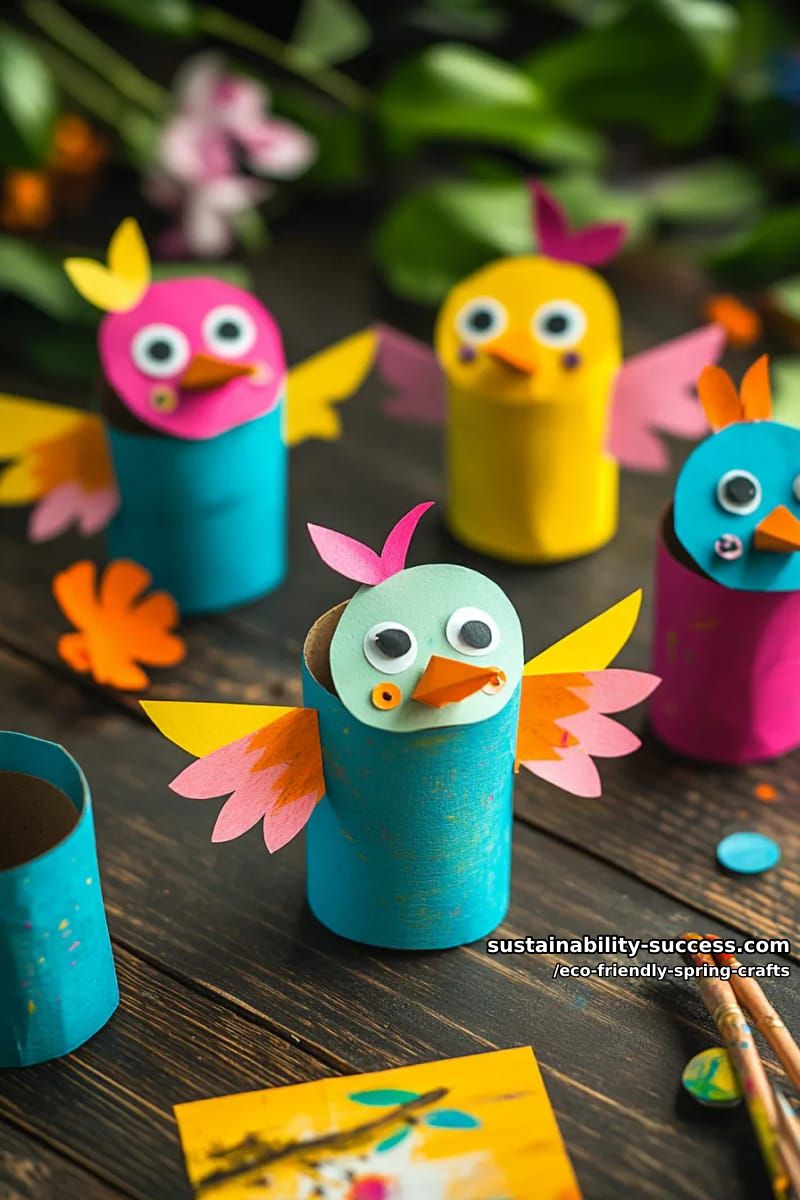
Sure, the end results may look more Picasso than Audubon, but that’s part of the charm. Add googly eyes or feathers if you have them on hand. Encourage experimentation.
These little birds brighten windowsills and remind everyone that fun and sustainability can go hand in hand.
12. Sculpt clay impressions of leaves and spring blooms for keepsakes
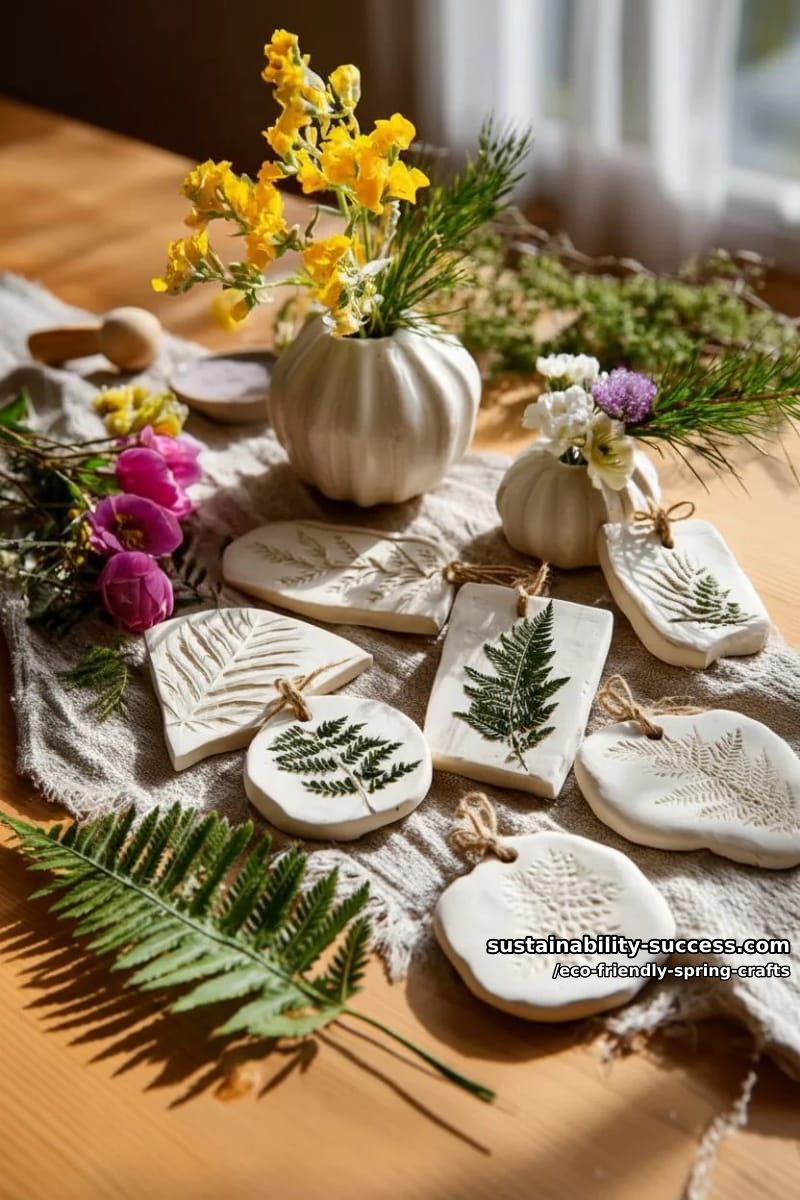
Pressing leaves or flowers into soft clay captures nature’s fingerprint in a way that’s both simple and meaningful.
Kids and adults alike can gather blossoms, press them into air-dry clay, and let each impression become a small piece of spring. No expensive supplies or rare skills required.
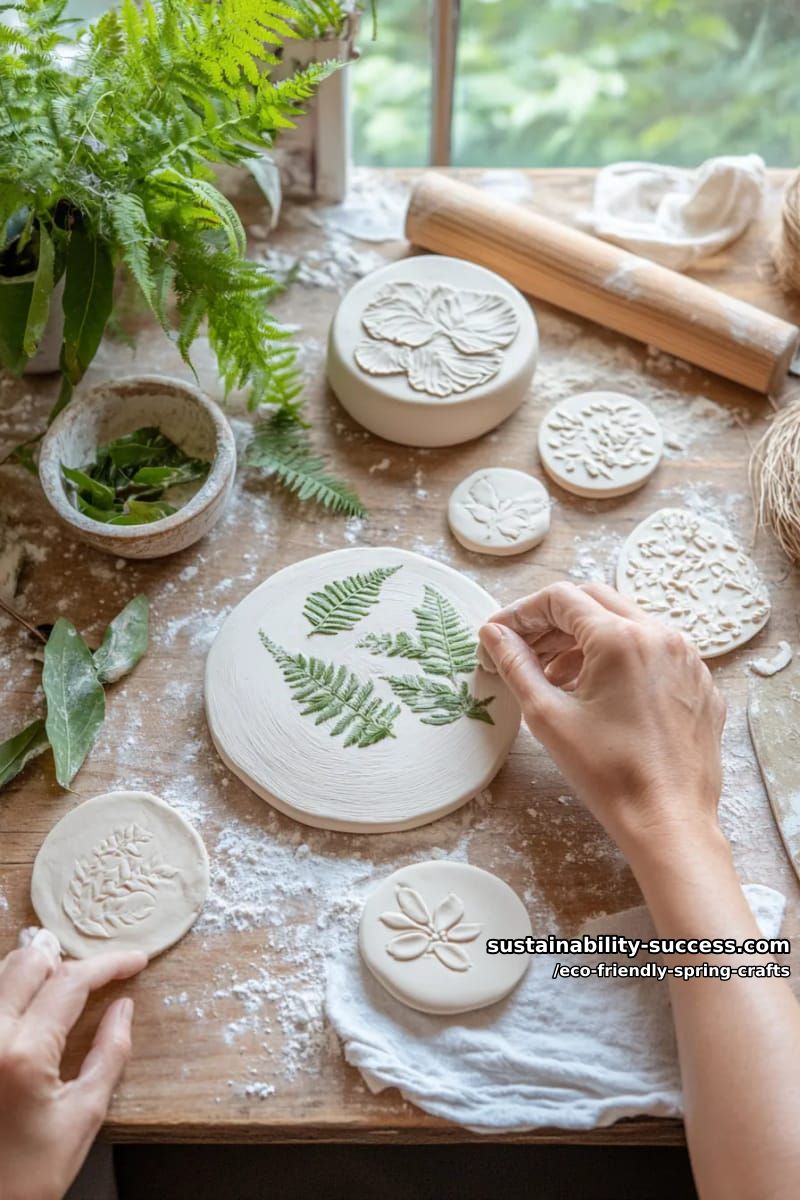
These clay keepsakes make thoughtful gifts or decorations, but keep in mind air-dry clay isn’t waterproof. Want lasting results? Use a clear, non-toxic sealant. Try mixing in petals for extra flair.
Why buy mass-produced trinkets when the backyard offers something with real character?
13. Shape paper roll trees with tissue paper blossoms for the classroom
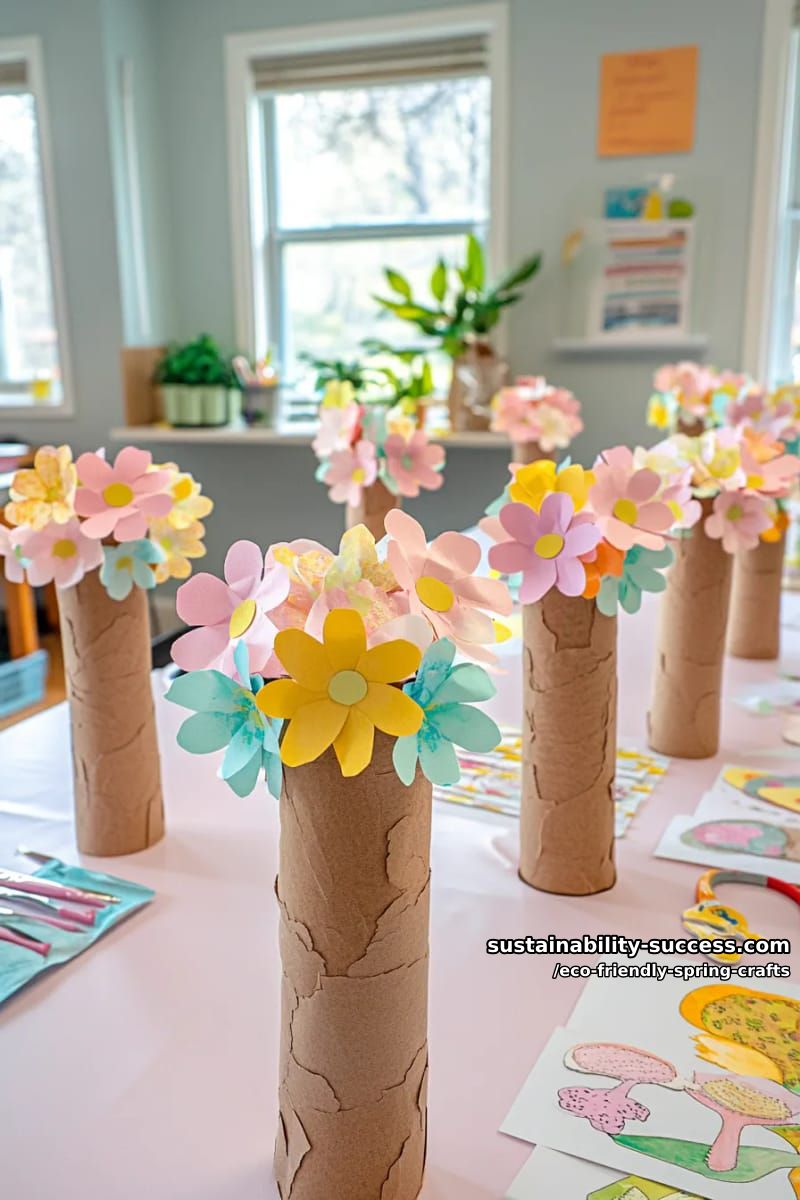
Cardboard tubes become tree trunks with a little imagination and a dab of glue. Kids can twist recycled tissue paper into cheerful blossoms, pressing them onto branches made from cut paper strips.
Suddenly, the classroom bursts with color, and every desk has a mini spring forest, no fancy supplies needed.
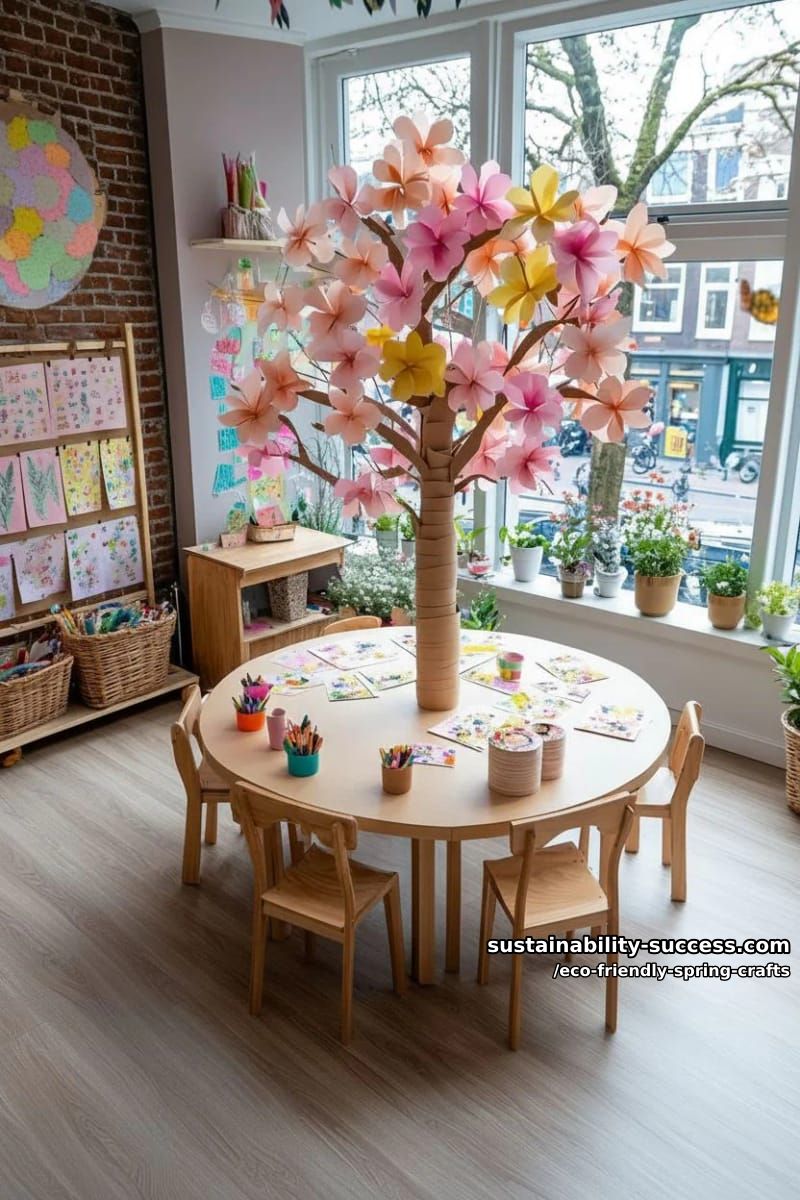
This craft brings more than color. It encourages students to reuse materials that might otherwise be thrown away. The process is simple, but the effect is bright and fresh.
Teachers appreciate how even the smallest hands can shape petals and stick them on, making everyone feel accomplished.
14. Paint pebble garden markers for herbs using leftover acrylics
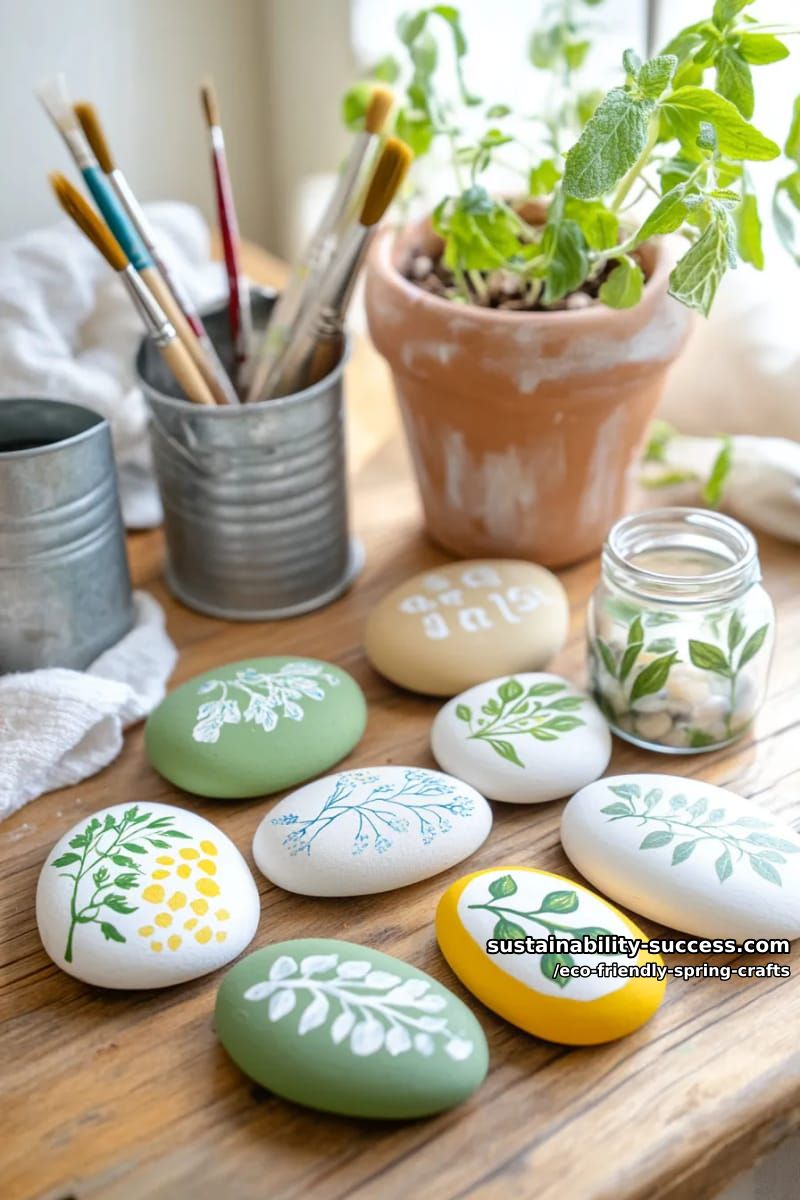
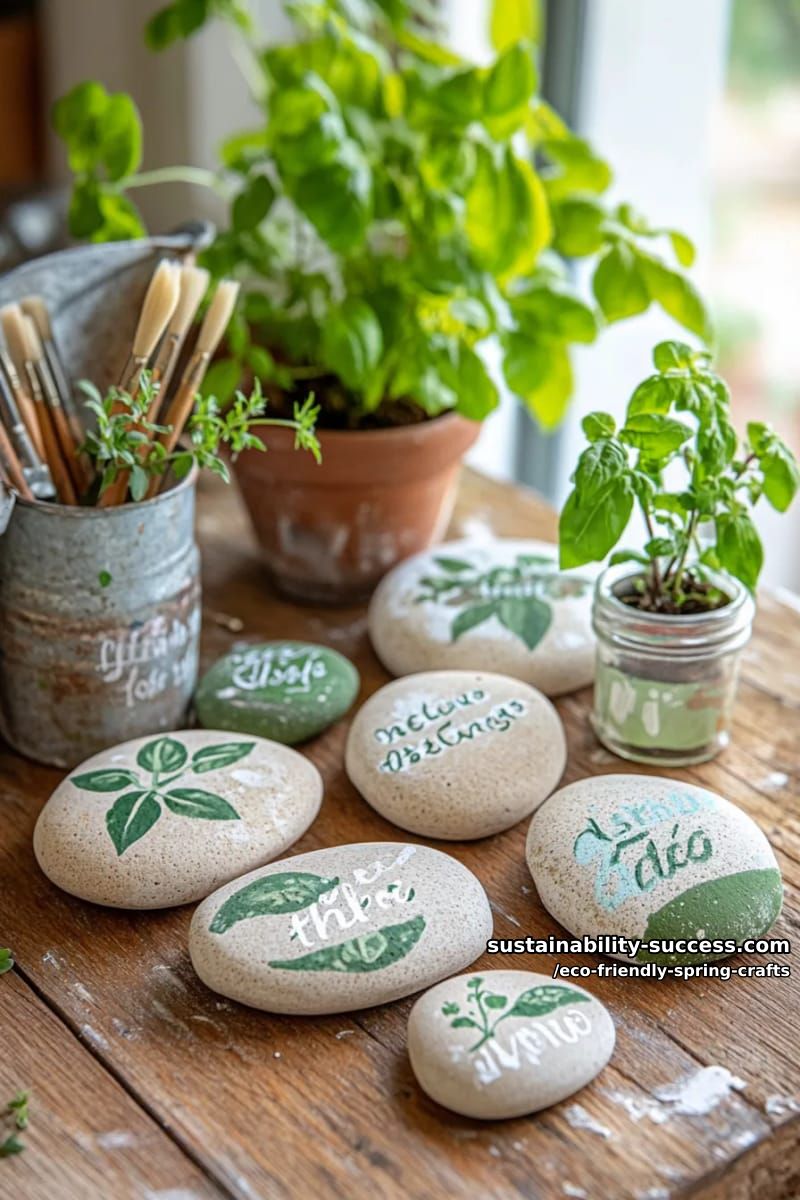
Grab those leftover acrylic paints before tossing them. Smooth pebbles make excellent garden markers for herbs. Just clean, paint, and label each stone.
This project keeps old paint out of the trash and adds personality to any herb patch. Why buy plastic markers when stones do the trick?
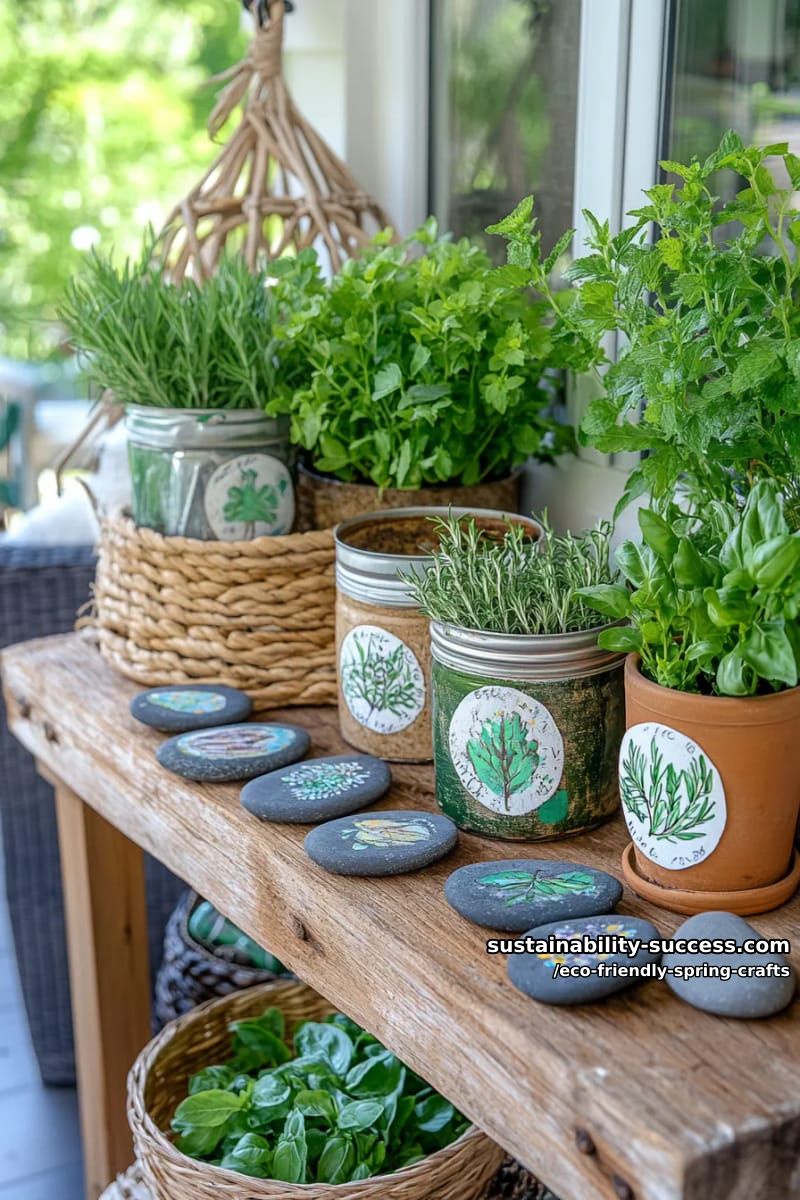
Kids love personalizing these markers with doodles and bold colors. Sure, acrylics might fade a bit outdoors, but a quick clear coat helps them last.
Next time you snip basil or thyme, you'll smile at your handy, eco-conscious handiwork. Try it, your garden and your trash bin will thank you.
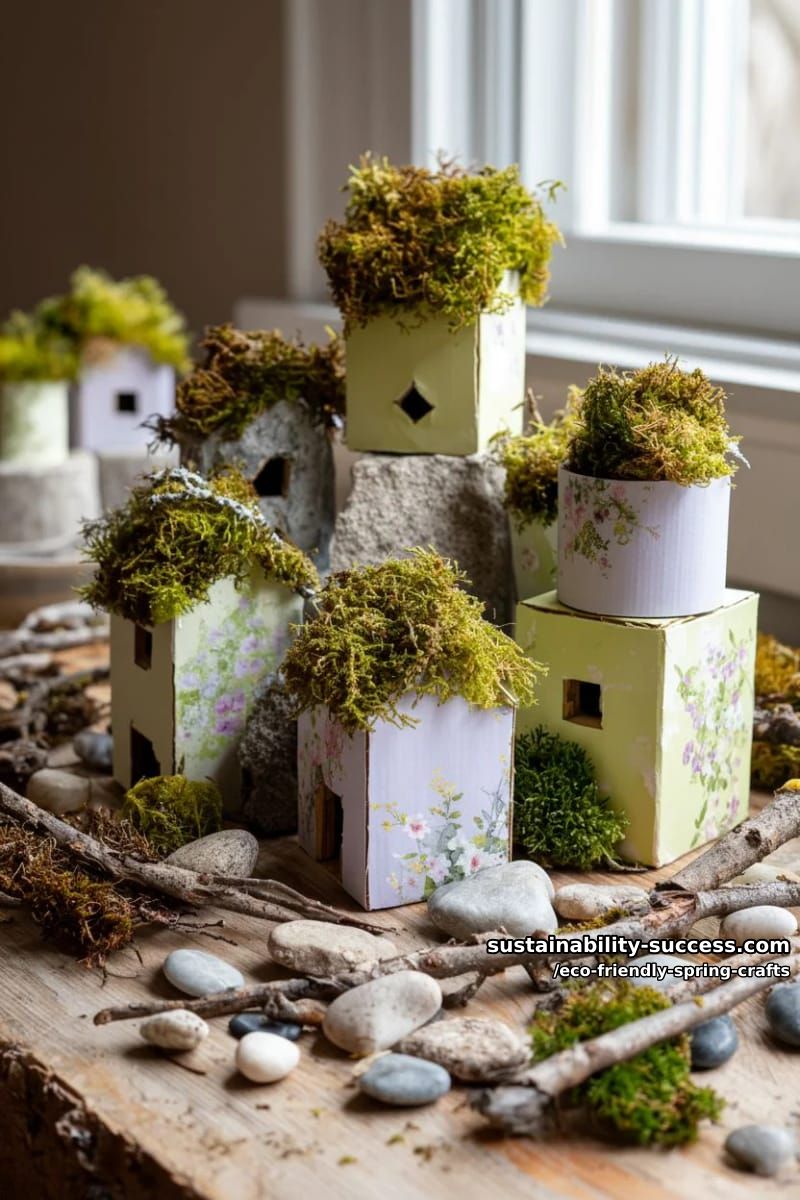
15. Create fairy houses from painted cardboard and foraged moss
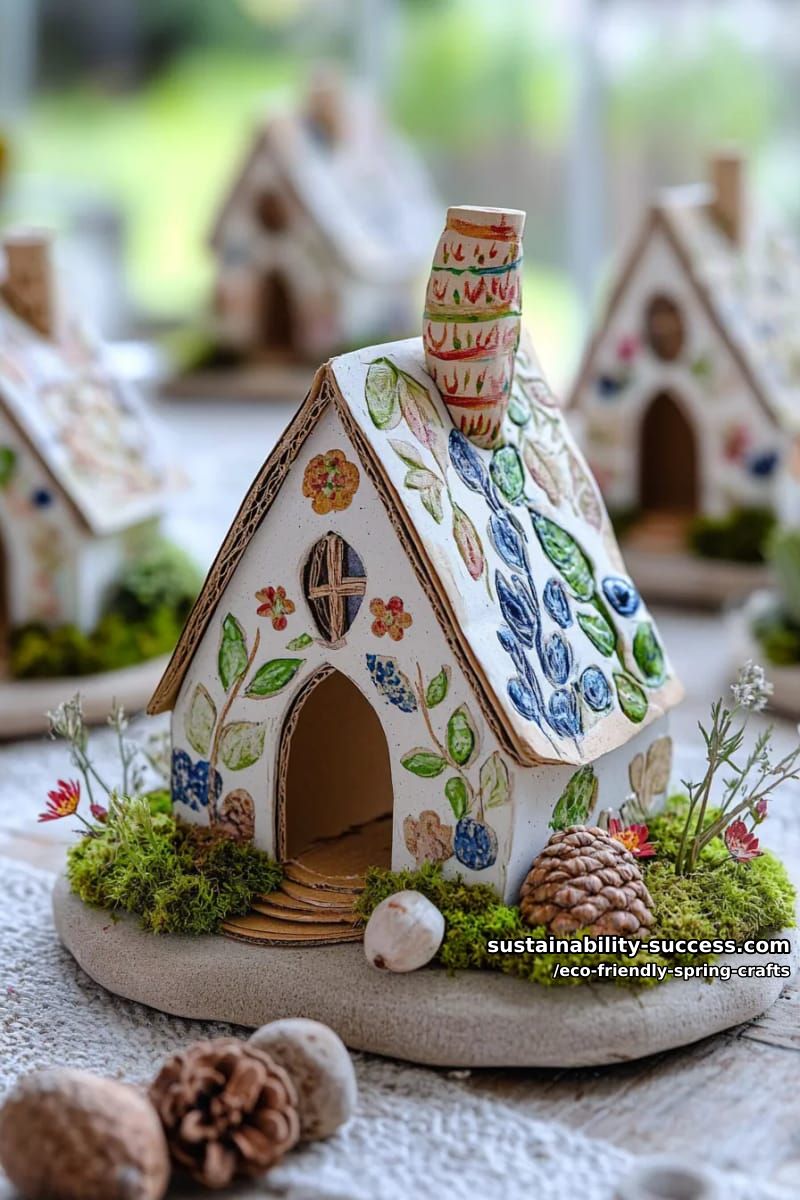
Start with a shoebox or cereal box, nothing fancy required. Paint it with leftover paint, then cut out windows and doors.
Nature provides the next step: gather moss, twigs, and pebbles from your yard or local park. Glue these on for an earthy, magical touch.

Fairy houses spark creativity and teach kids about reusing materials instead of buying new supplies. However, rain will ruin them if left outside, so keep these indoors or under cover.
Involve children in each step; it’s a hands-on lesson in upcycling and appreciation for nature’s free art supplies.
16. Reimagine plastic spoons as buzzing bumblebees and butterflies
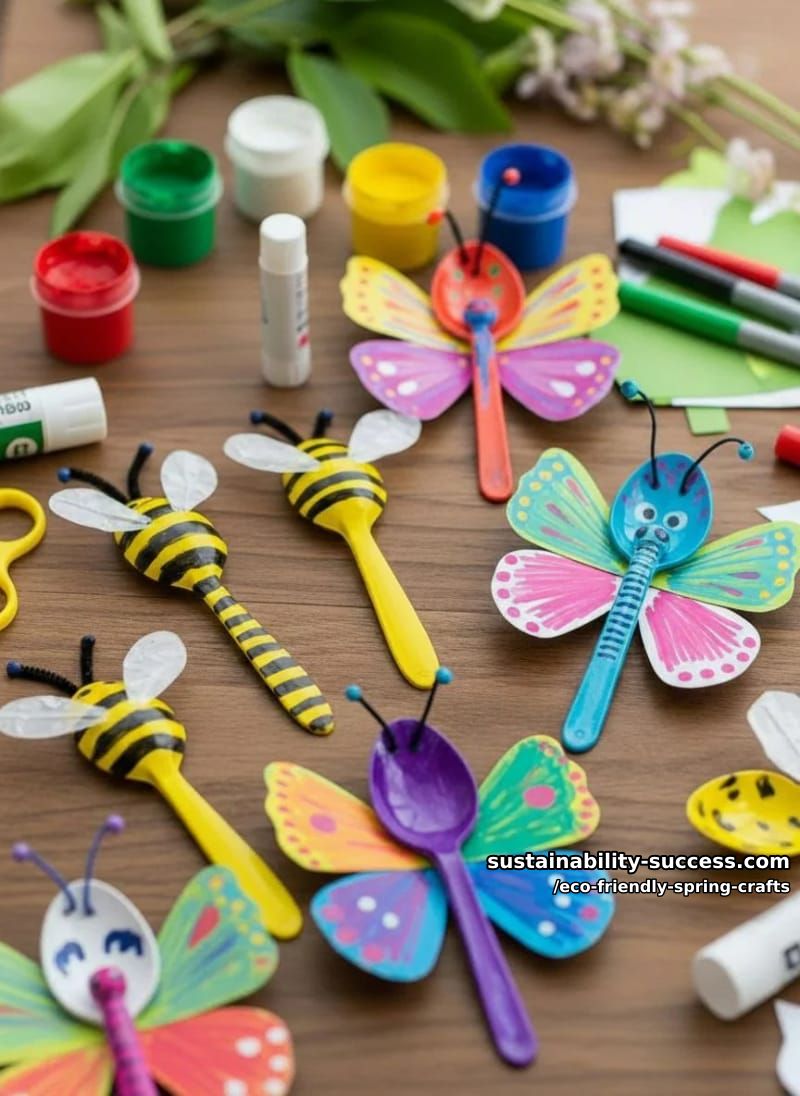
Give those forgotten plastic spoons a second act by turning them into lively bumblebees and butterflies.
A splash of yellow and black paint, some googly eyes, and a touch of creativity can turn trash into cheerful garden art. It’s simple, affordable, and keeps single-use plastics out of landfills.
Kids love this hands-on project, and adults get that feel-good satisfaction of reducing waste. However, remember that even reused plastic will someday need proper disposal. If you have biodegradable options, use them.
Otherwise, focus on creating lasting decorations you won’t toss next season.
17. Make a spring garland out of recycled paper and flower punches
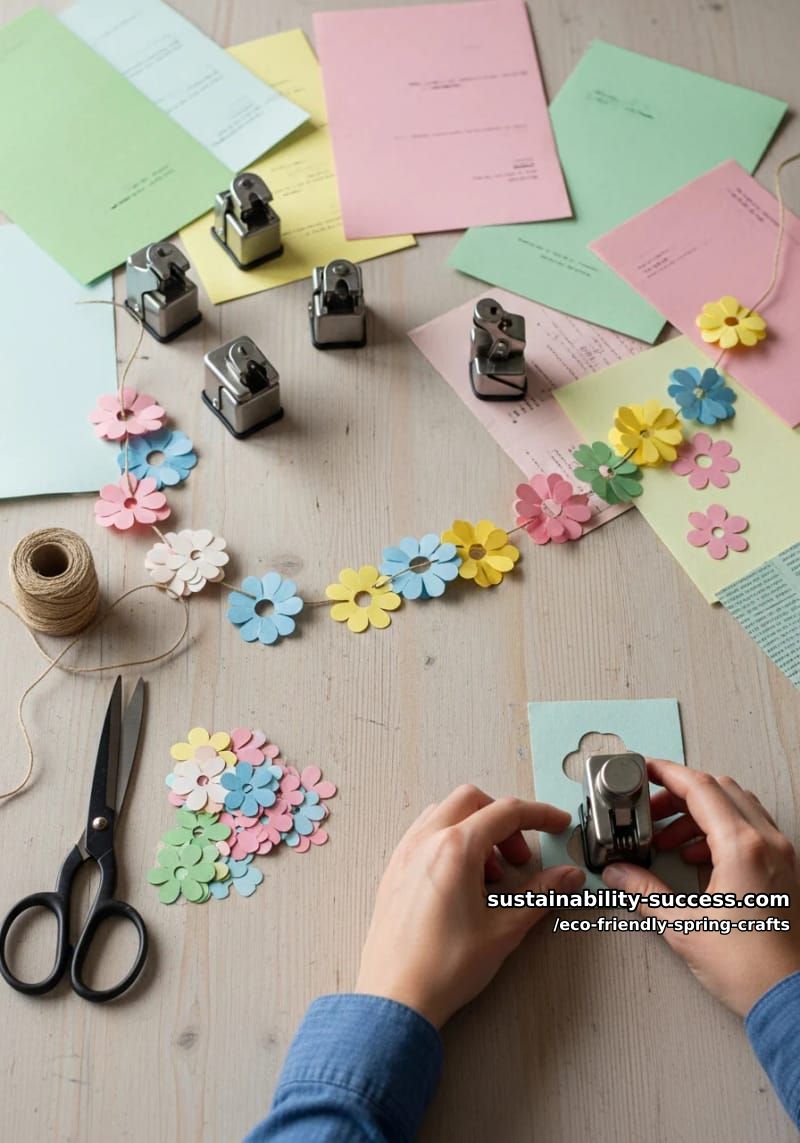
Grab those old magazines, junk mail, or even cereal boxes. With a simple flower-shaped punch, you can create colorful blooms in minutes.
String them together with twine for a cheerful garland that costs almost nothing. Kids will love picking out patterns; adults will appreciate the easy cleanup.
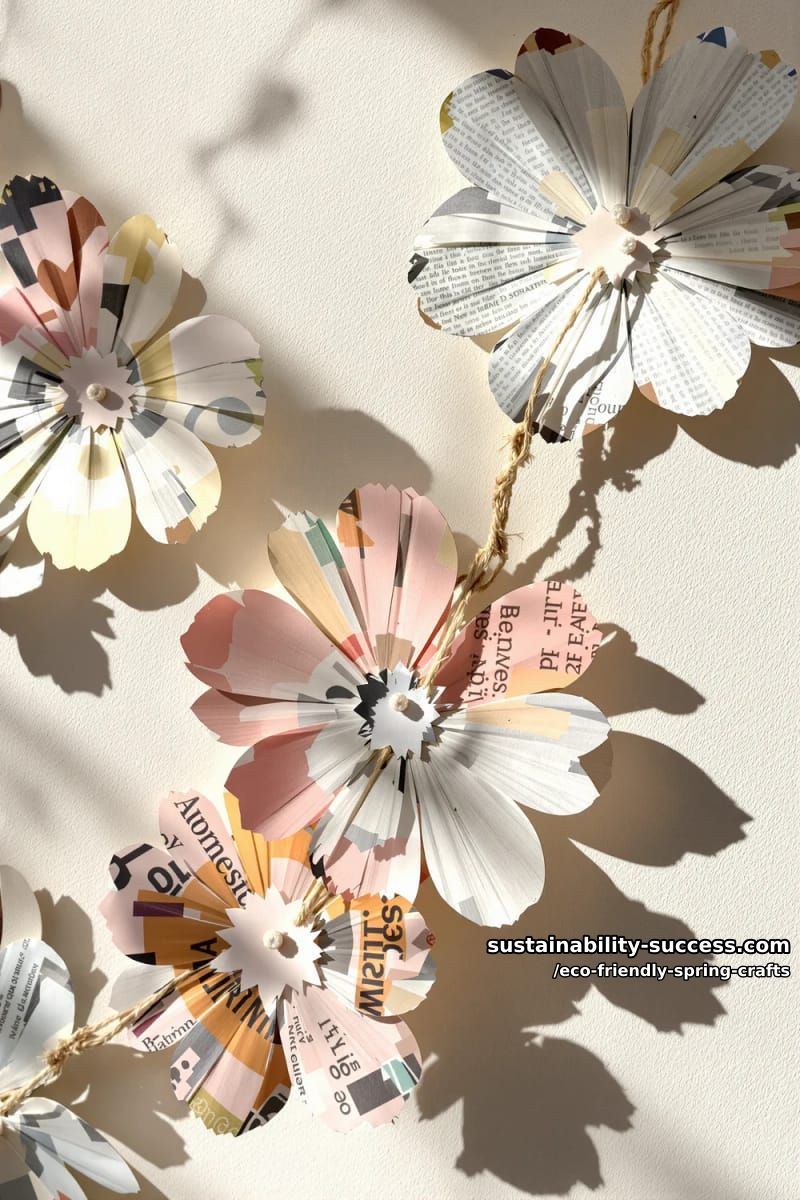
Of course, not all recycled paper is sturdy, so handle your flowers gently. If you want extra durability, layer two cutouts together.
This project offers a clever way to cut down on waste while decorating for spring, no store-bought décor required. Why not let your creativity bloom and help the planet?
18. Stitch wildflower sachets from fabric scraps and dried petals
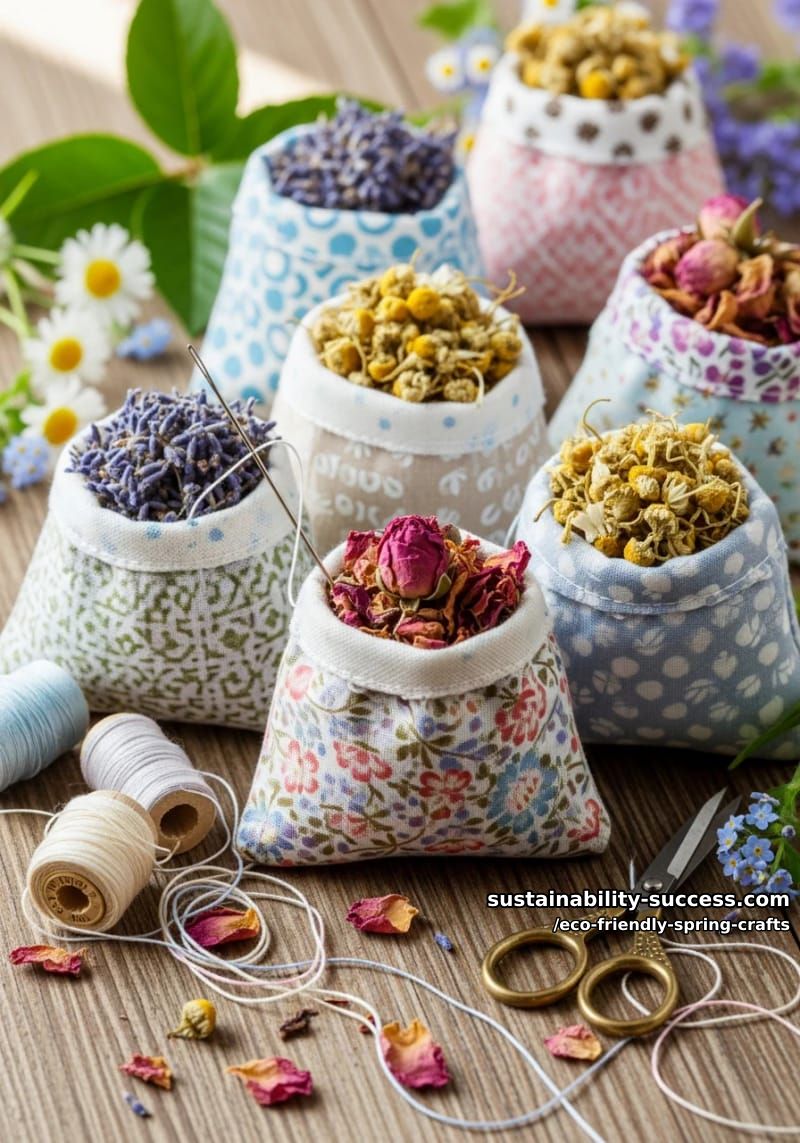
Gathering fabric scraps and dried petals can turn spring cleaning into a creative project. Old shirts or pillowcases become charming wildflower sachets, perfect for freshening drawers.
Stitching these by hand is simple, even for beginners. Plus, you avoid synthetic fragrances and keep textile waste out of landfills.
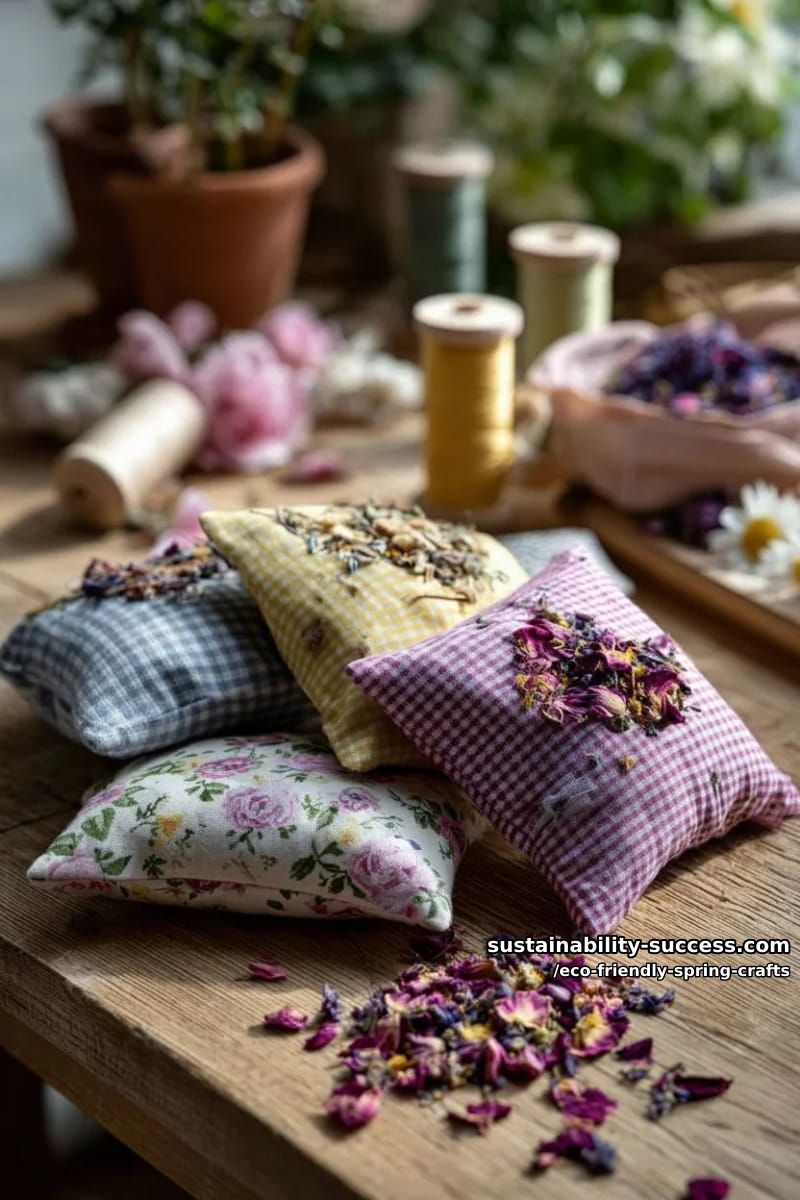
Why buy plastic-wrapped air fresheners when you can sew something thoughtful? Each sachet can reflect your style or mood. Try experimenting with different flower blends, lavender for calm, rose for romance.
Just remember, dried petals lose scent over time, so refresh the filling each season for best results.
19. Design a nature weaving art piece with sticks, flowers, and grasses
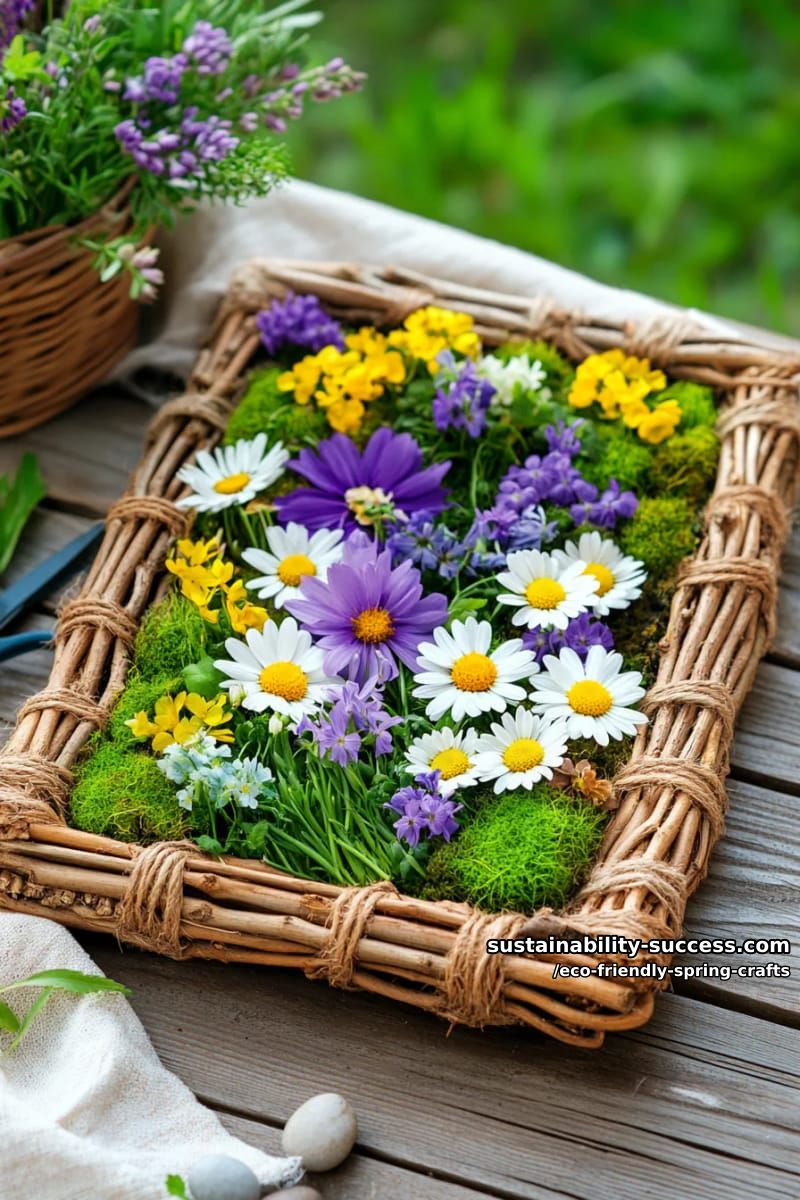
Grab a few sturdy sticks, some wildflowers, and grasses from your backyard. Arrange the sticks in a square or triangle, then weave the flowers and grasses between them.
This simple activity uses what’s outside your door, no plastic or glue. It sparks creativity and respects the environment.
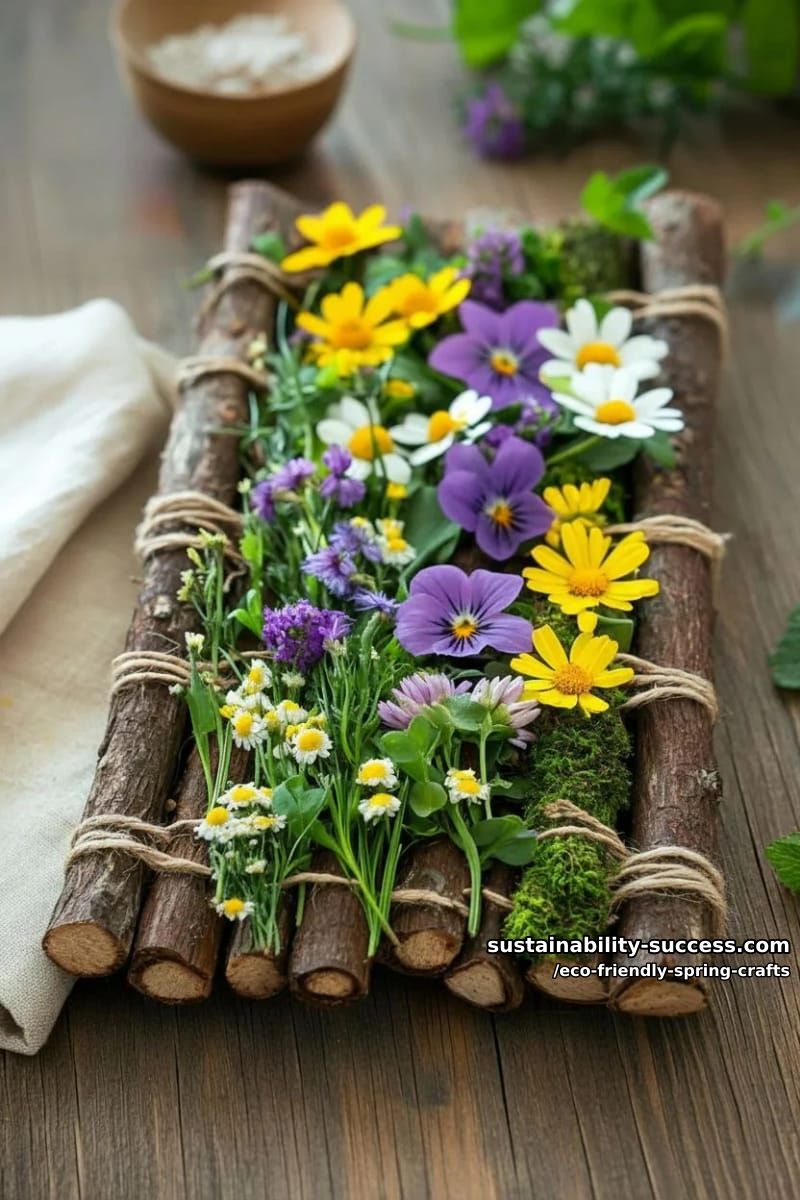
Not everything you gather will last forever; flowers fade and grasses dry out. But that’s part of the charm.
You create something beautiful, enjoy it for a while, and then let nature reclaim it. Isn’t that a refreshing change from craft projects that stick around as clutter?
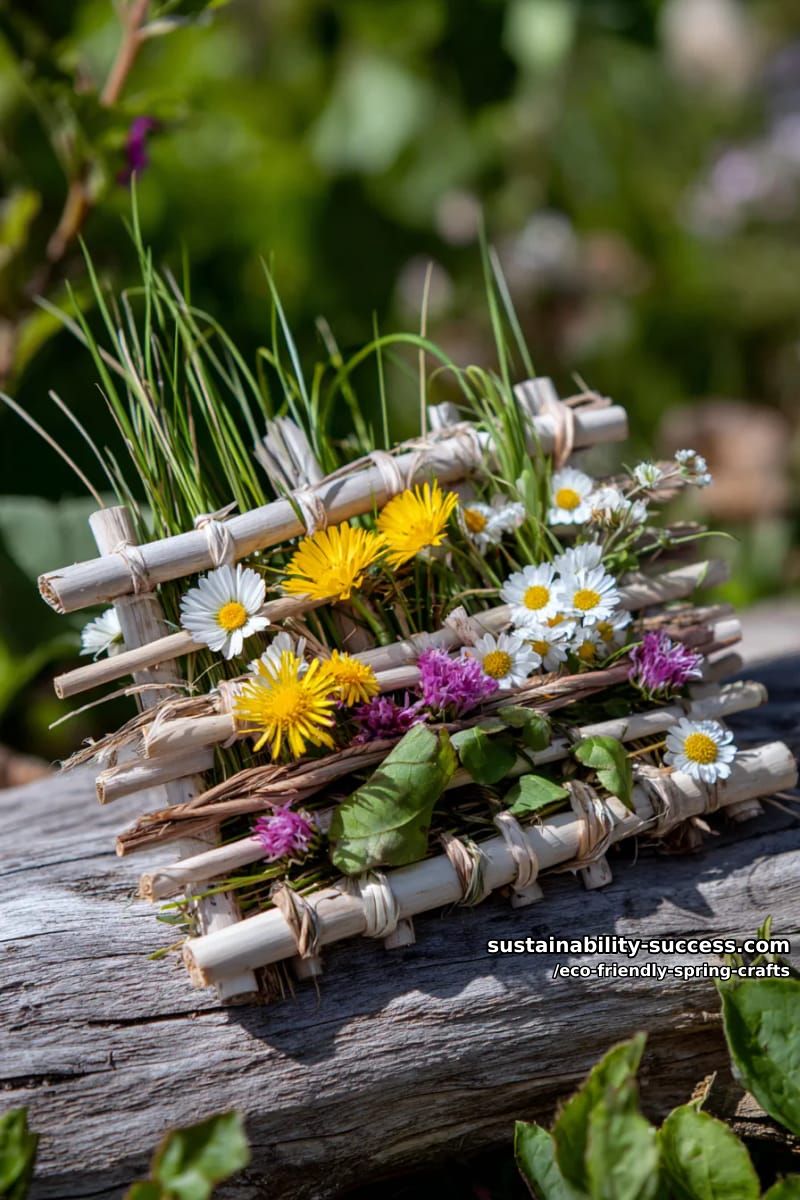
20. Build bug hotels from pinecones, sticks, and recycled containers
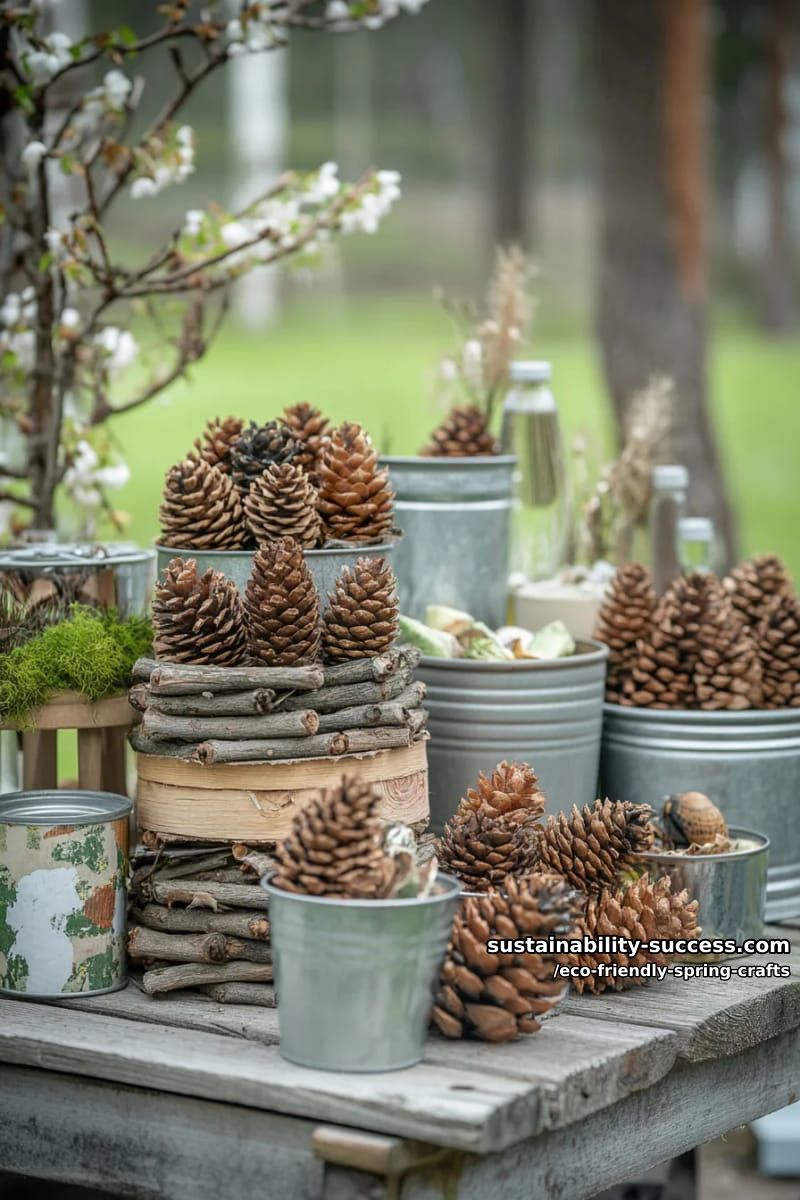
Ever tried building a bug hotel with your kids? Pinecones, sticks, and empty yogurt cups can create a cozy haven for helpful insects. Ladybugs and bees appreciate a safe place to rest.
Why toss out those containers? Rinse them, poke holes for drainage, and fill with natural materials.
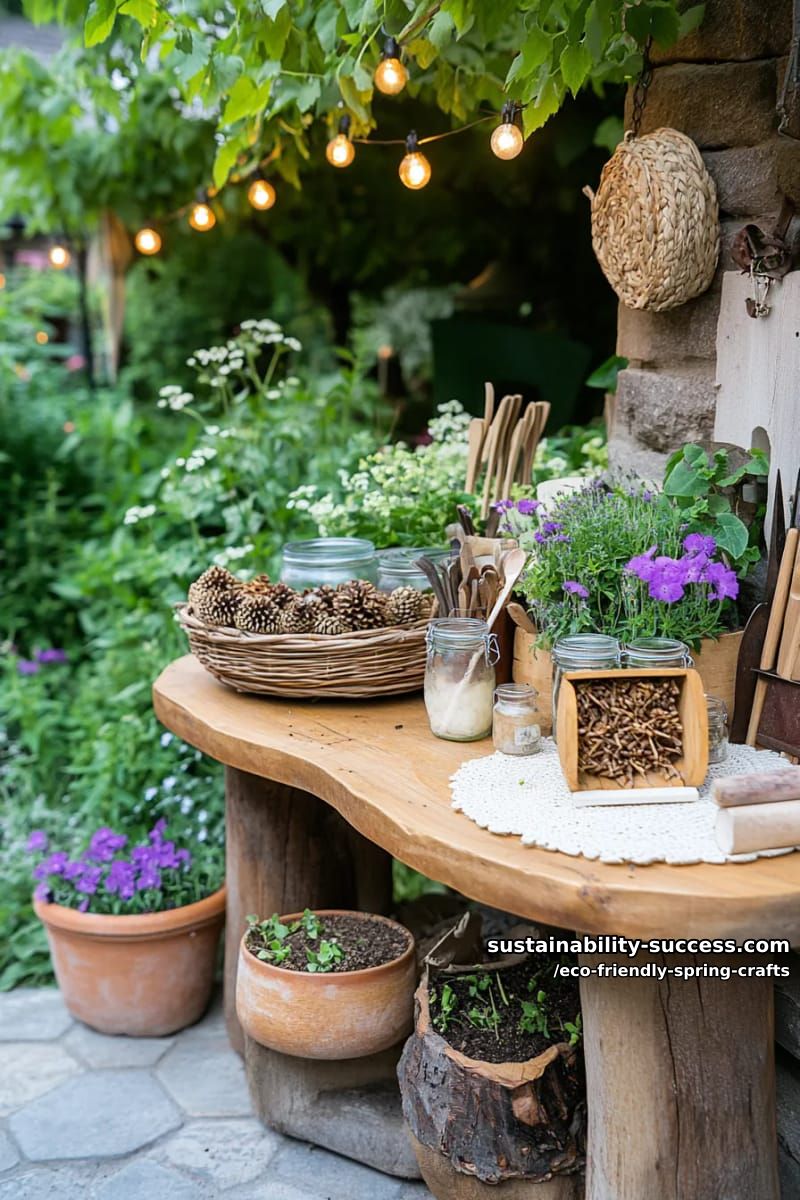
Bug hotels aren’t just fun, they’re practical. These simple shelters boost garden health by attracting pollinators and pest-eating bugs. It’s a win-win for flowers and veggies.
Just remember, keep materials dry and avoid treated wood. Letting children decorate the hotels adds an extra spark of creativity.
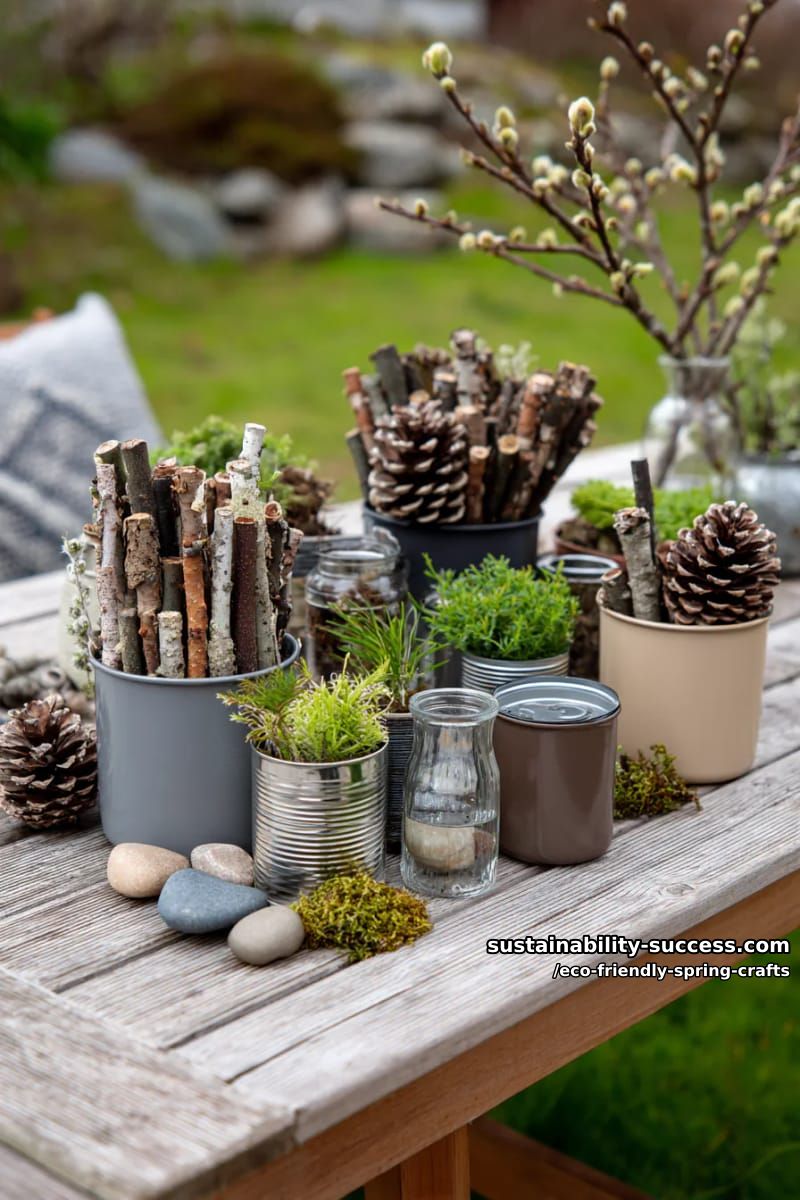
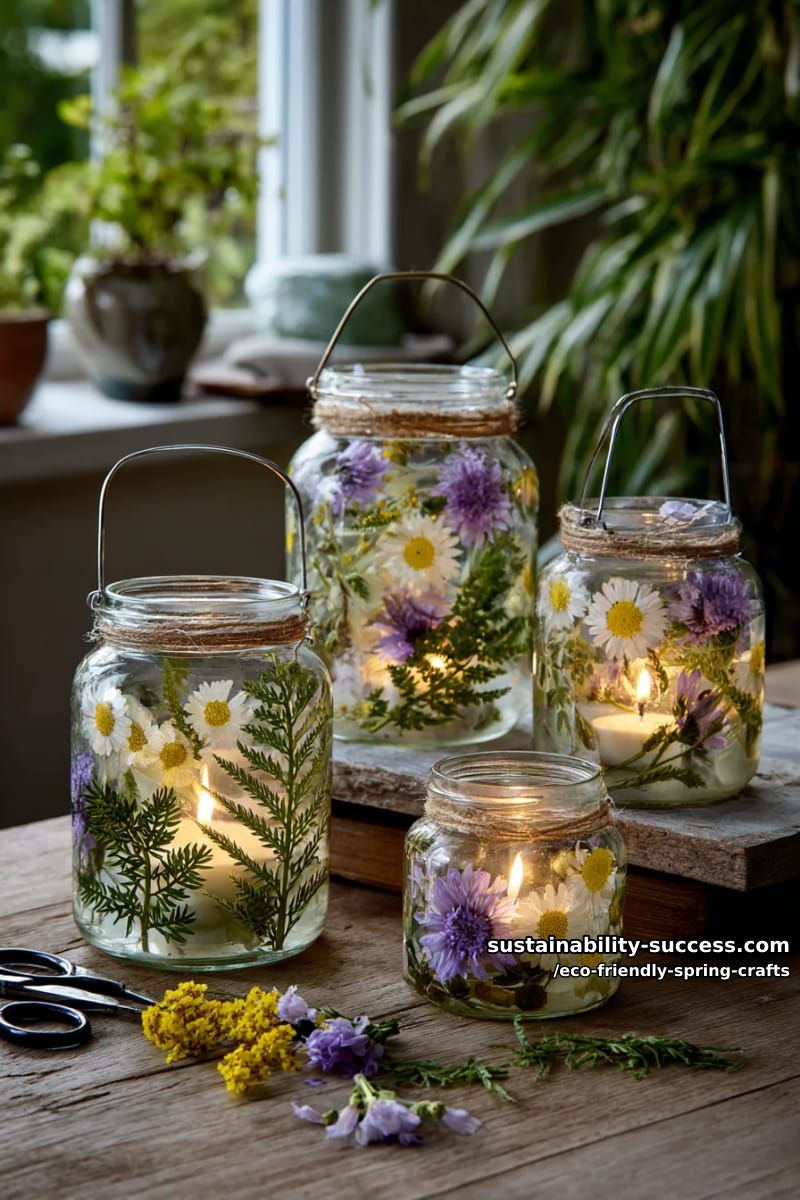
21. Craft magical lanterns featuring pressed flowers and recycled glass jars
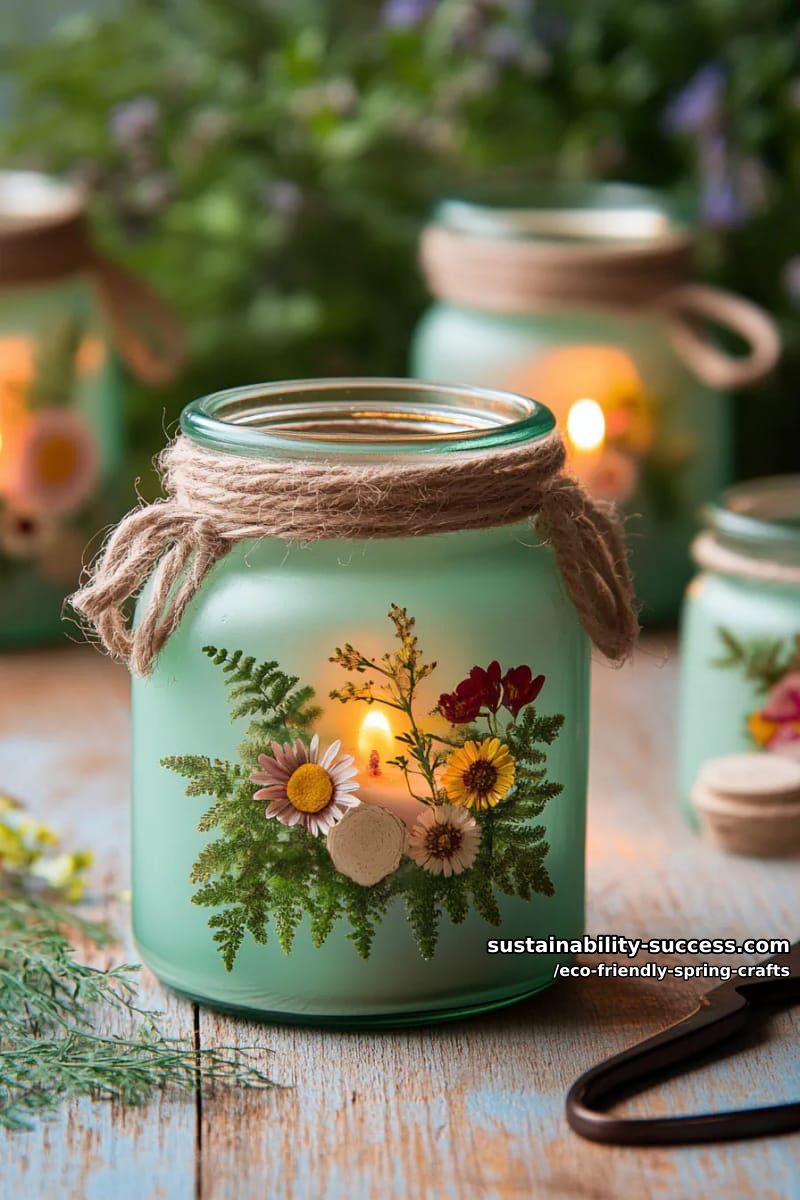
Old glass jars can be transformed into charming lanterns with just a handful of pressed flowers and a little imagination.
Gather wildflowers, press them in a heavy book for a week, and then affix them to clean jars using eco-friendly glue.
Why settle for store-bought décor when you can make something beautiful and sustainable?
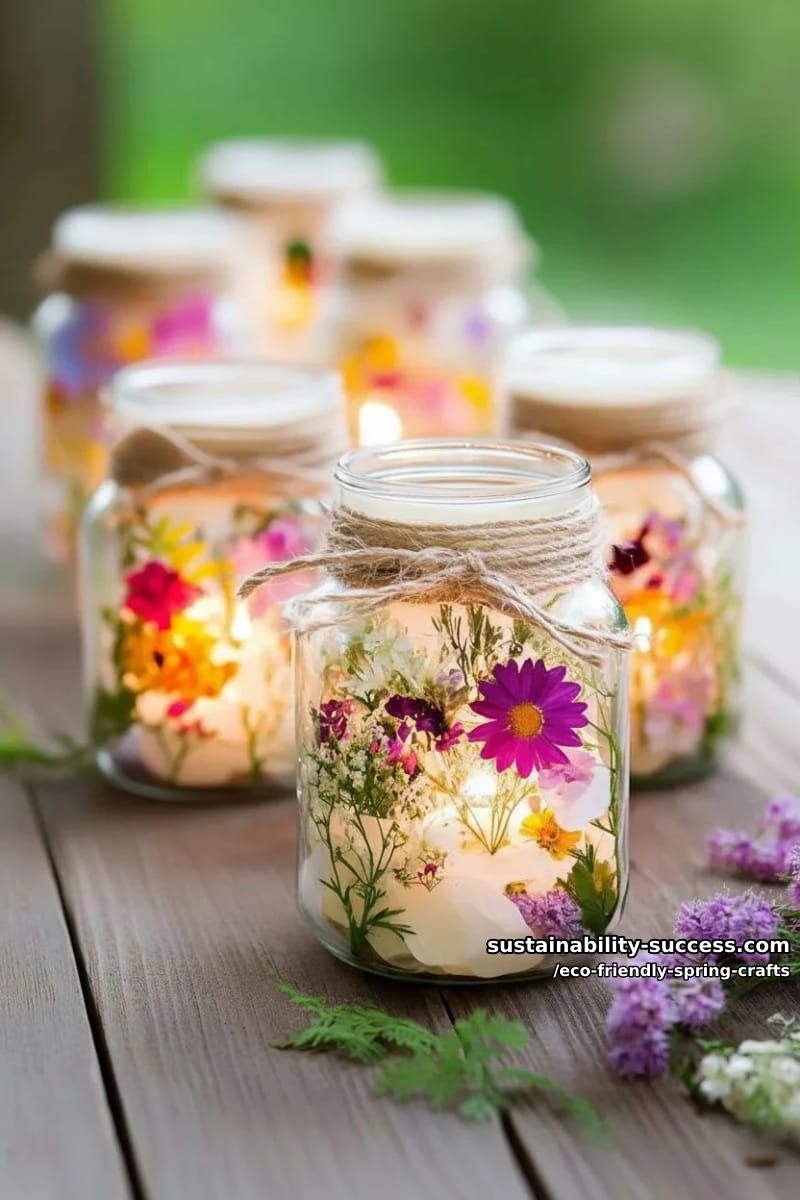
These lanterns shine brightest after dusk, casting delicate floral patterns on your walls. A simple tea light inside brings the flowers to life.
One caveat: glass jars can get hot, so always supervise lit candles. For a safer option, try LED tea lights. Your porch will thank you.
Craft Your Own Eco-Friendly Spring Decor!
Eco friendly spring crafts offer more than just creative fun, they help you turn everyday leftovers into something delightful.
Who knew tin cans, twigs, and scraps could become wind chimes, wildflower crowns, or even bug hotels? The possibilities are right at your fingertips.
Ready to sprinkle some green magic on your spring? Gather your supplies, invite some friends, and let your imagination run wild. These activities brighten your home and give nature a helping hand.
Why not start your next project today?
Related Posts
- Natural Valentines Day Crafts
- Upcycled Valentines Day Crafts
- Eco Friendly Easter Centerpieces To Diy
- Easter Egg Art Ideas
- Upcycled Crafts