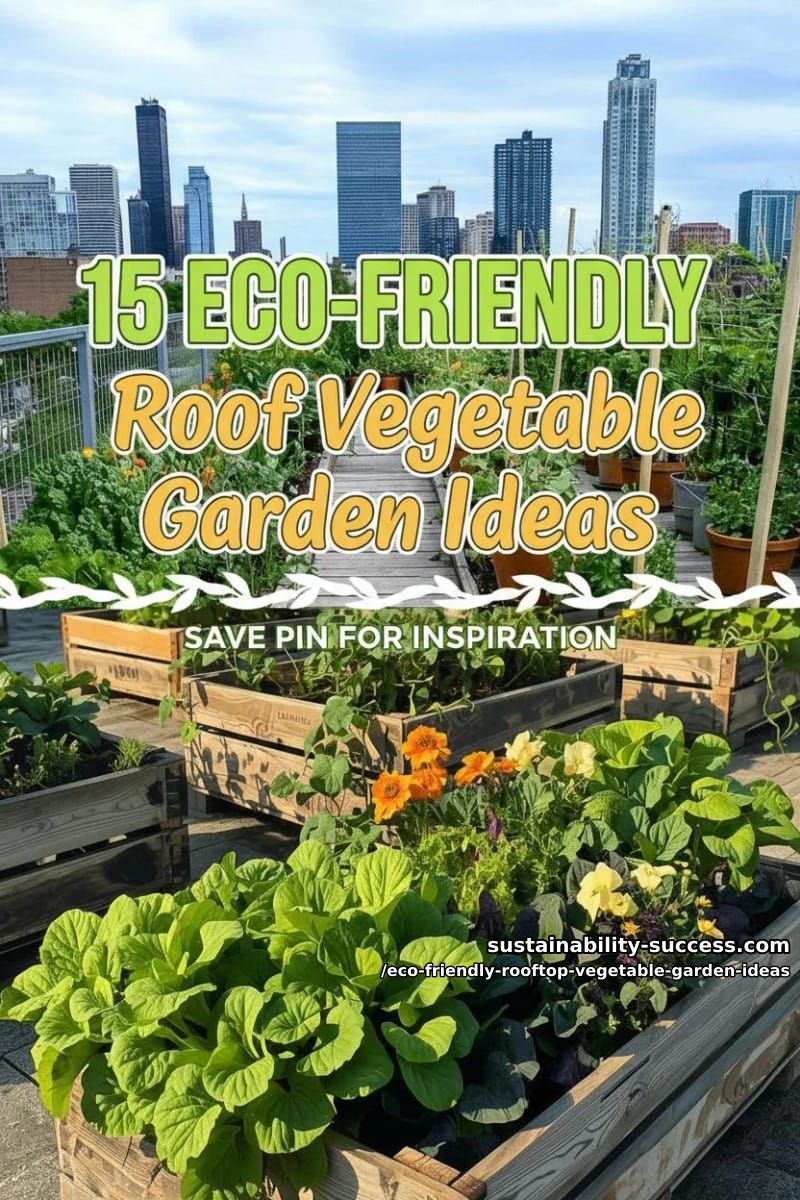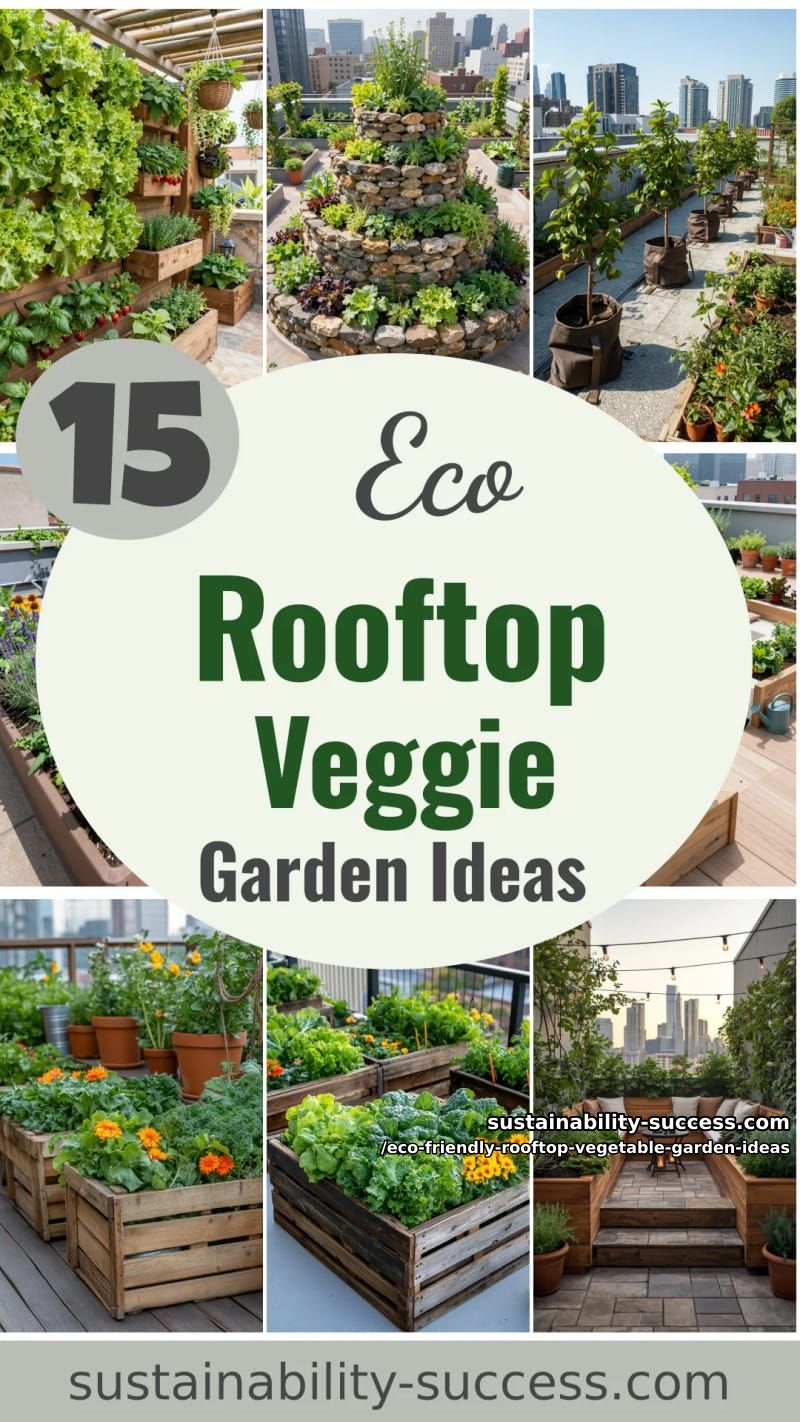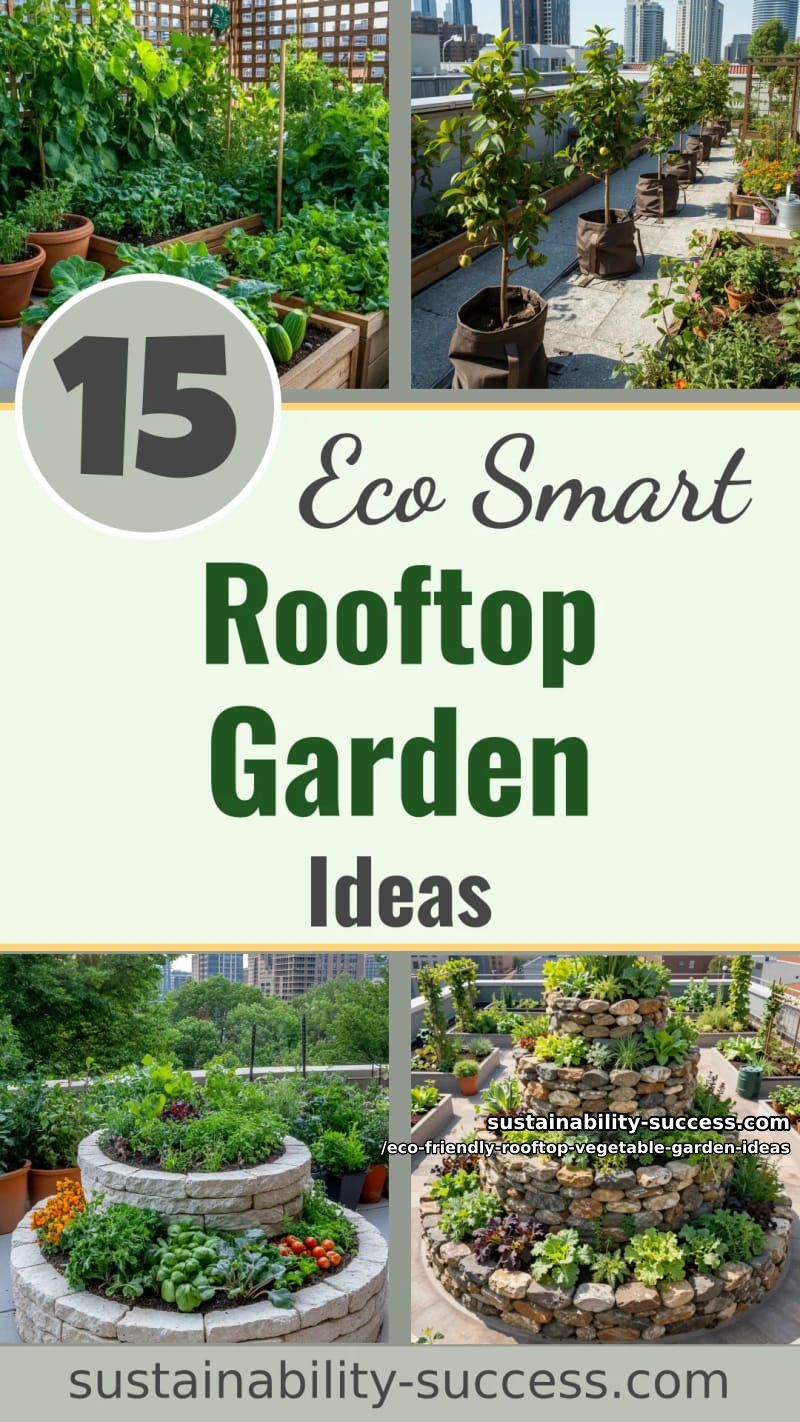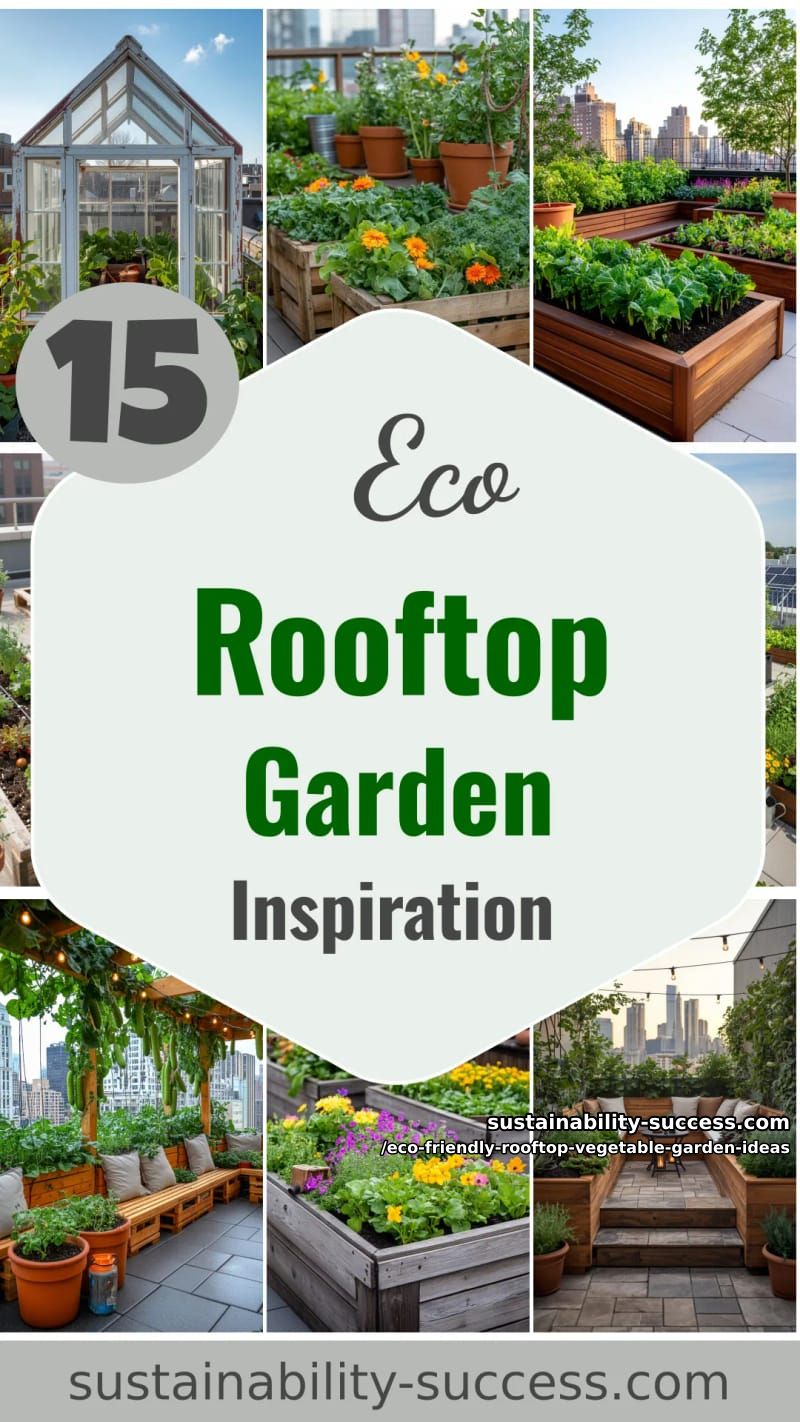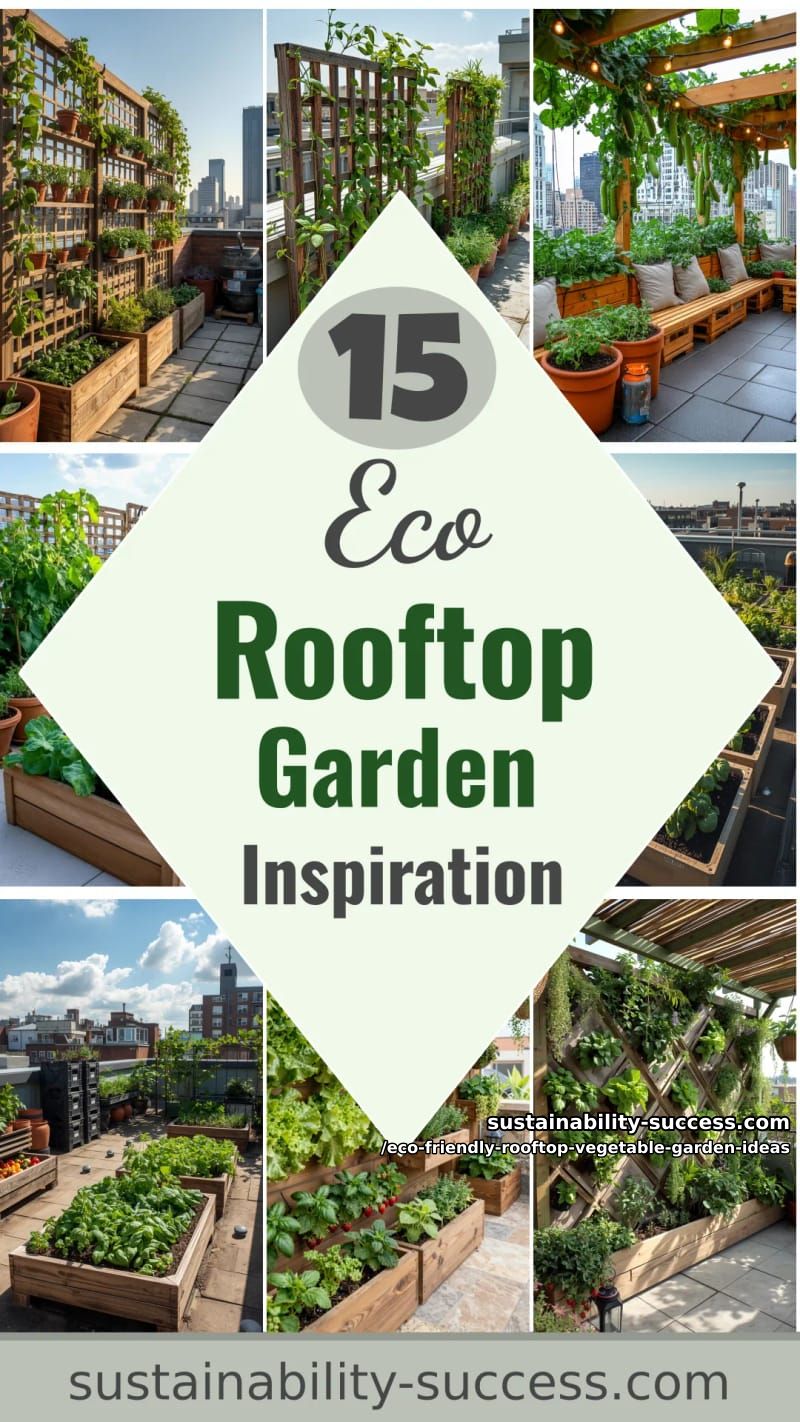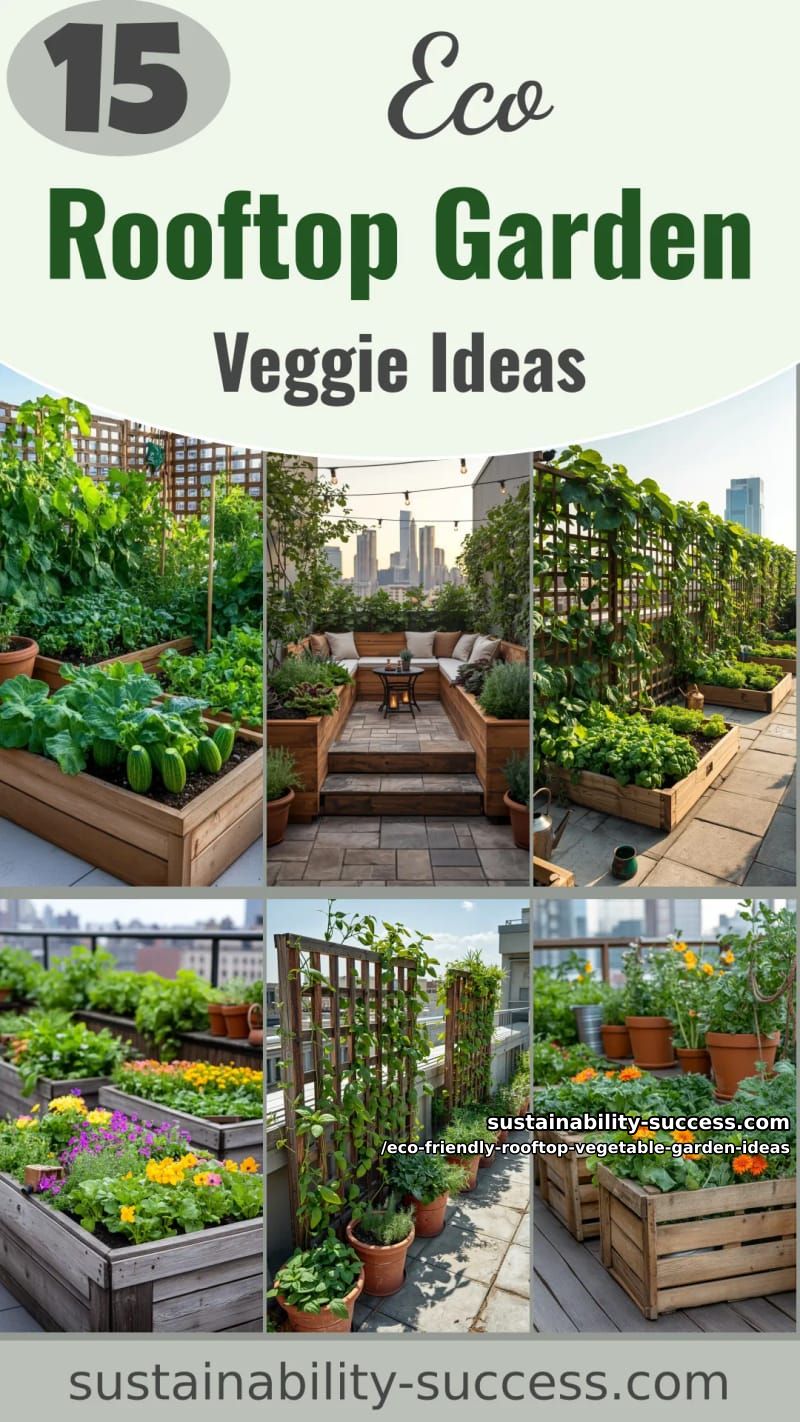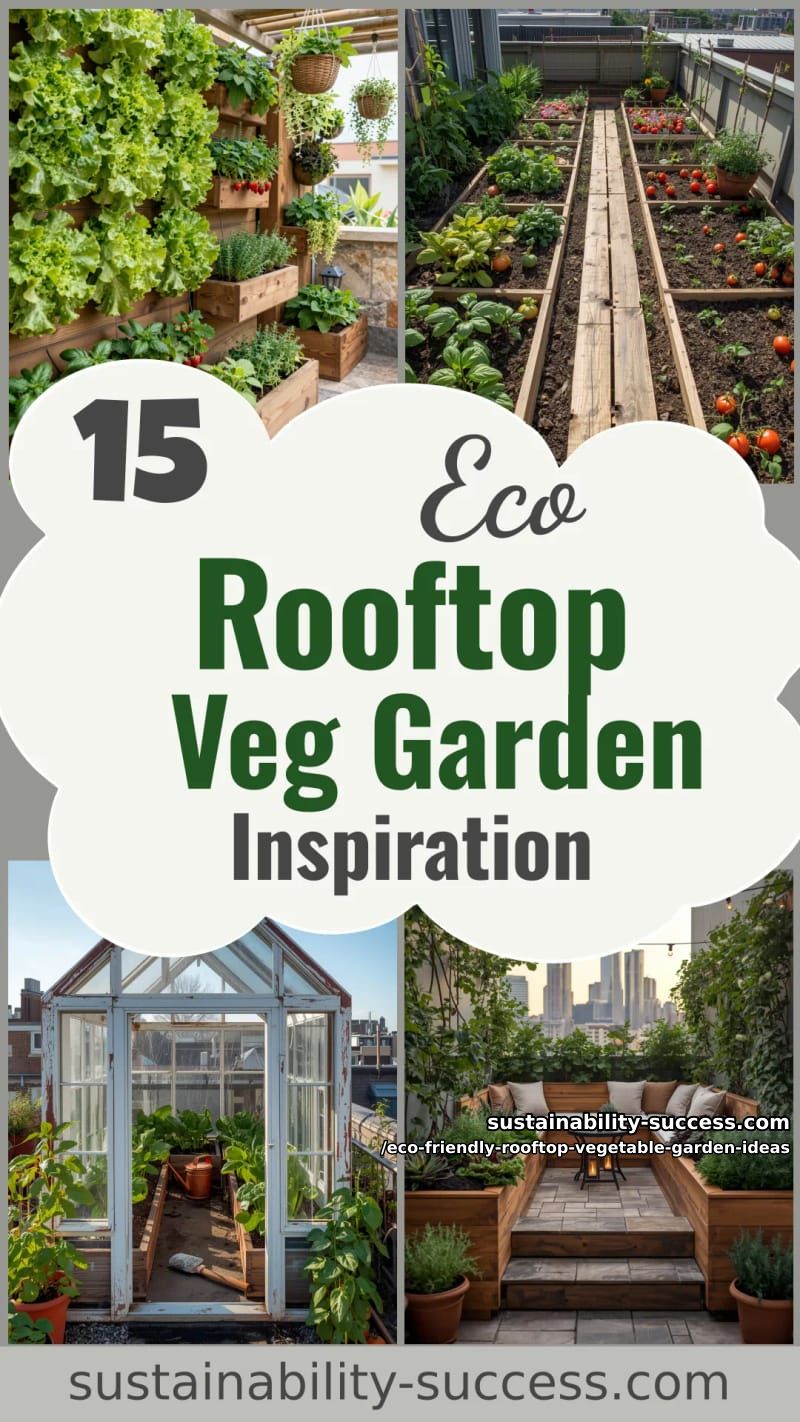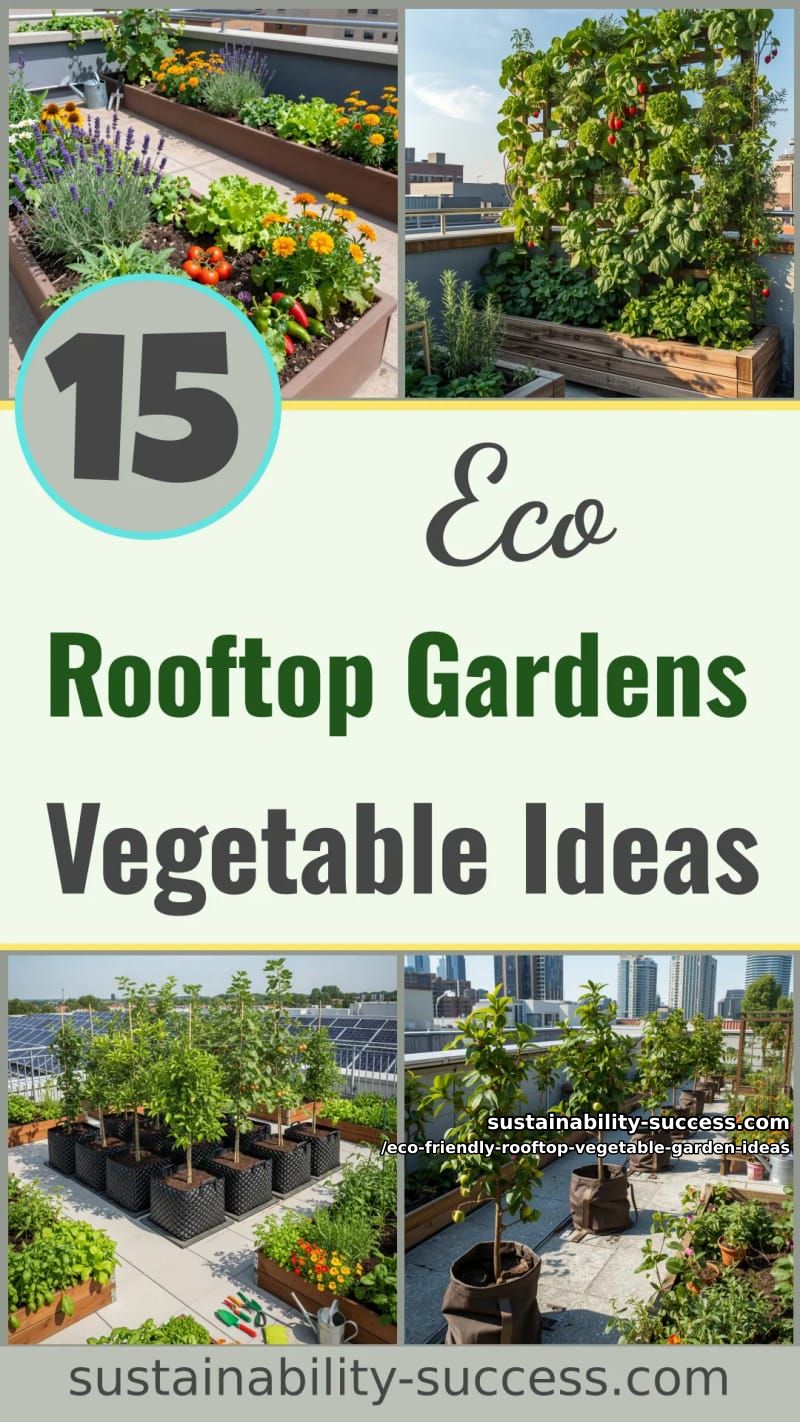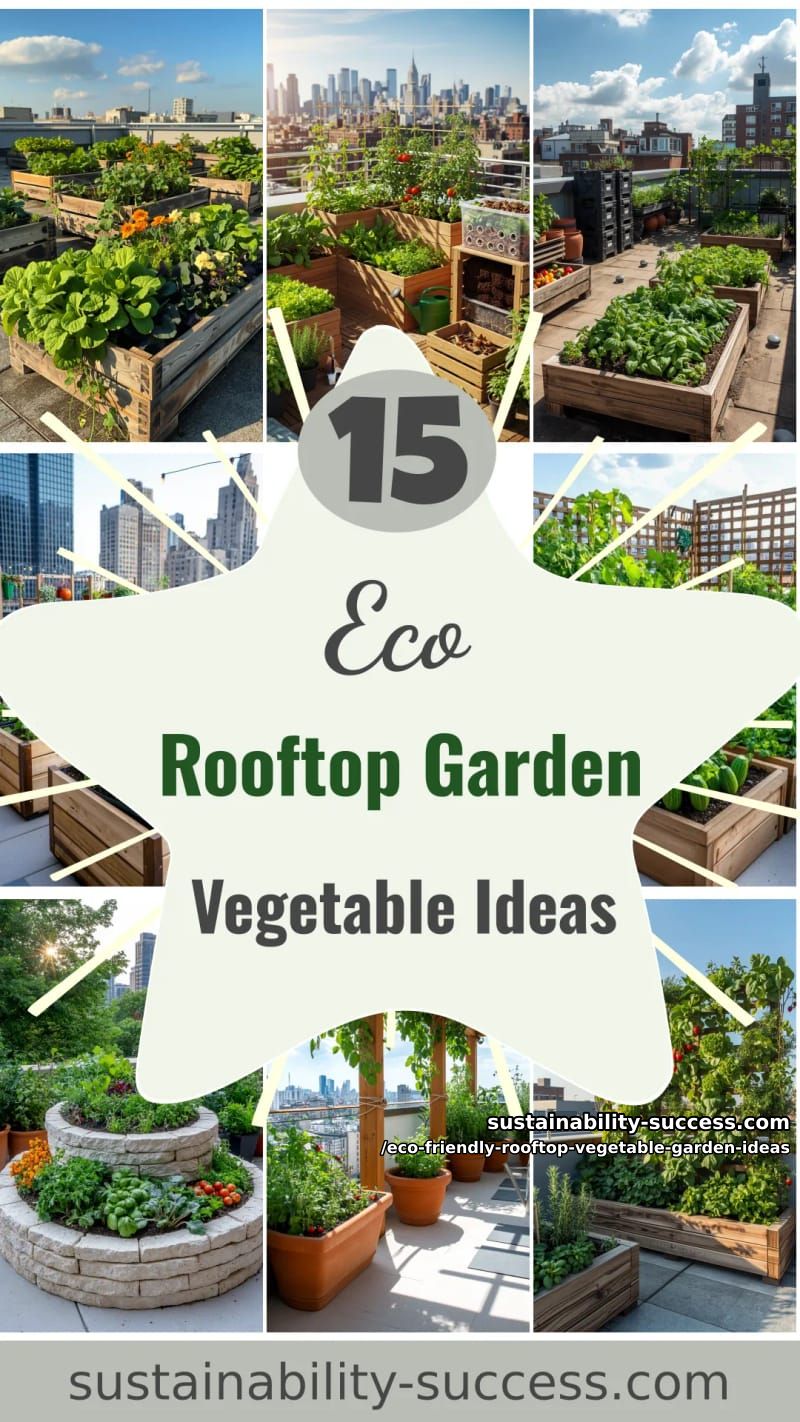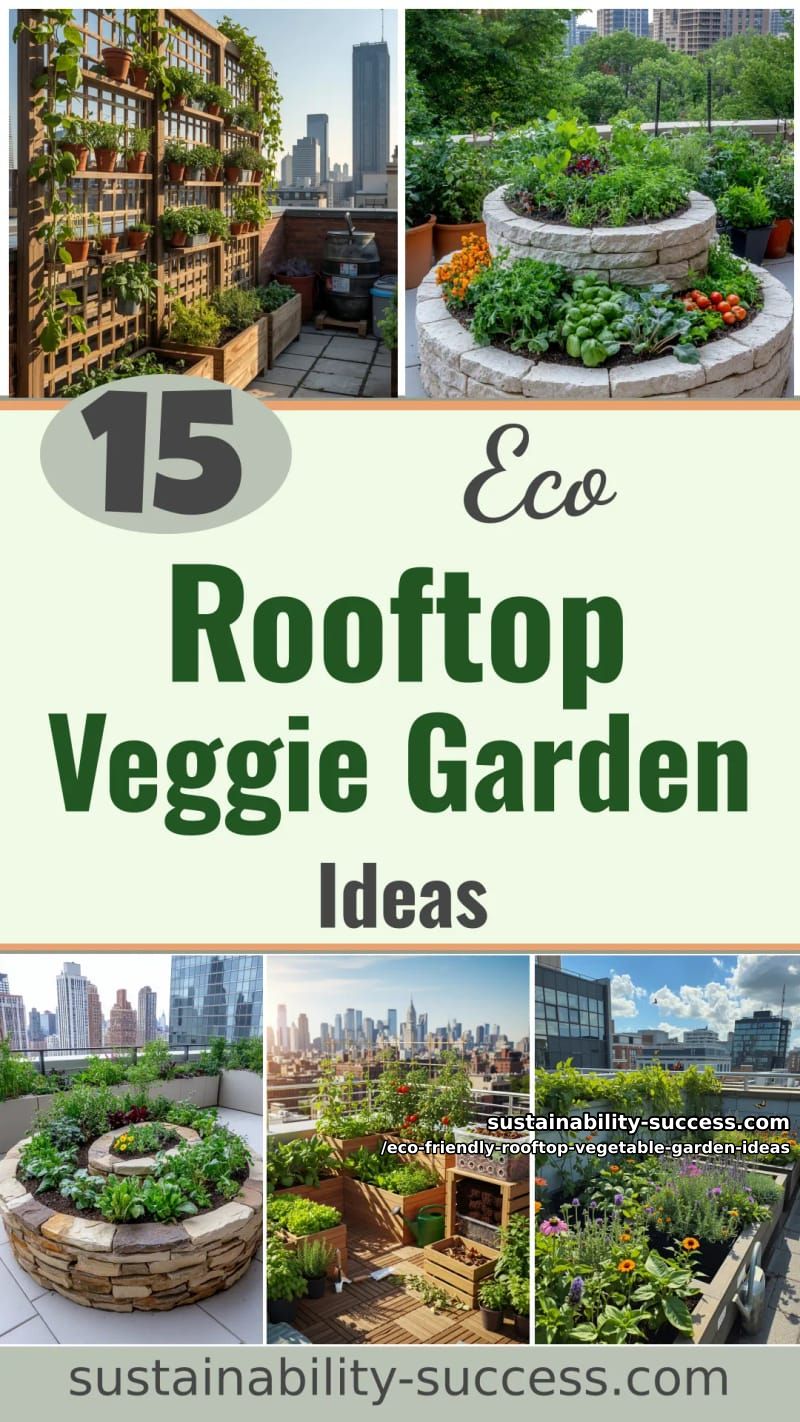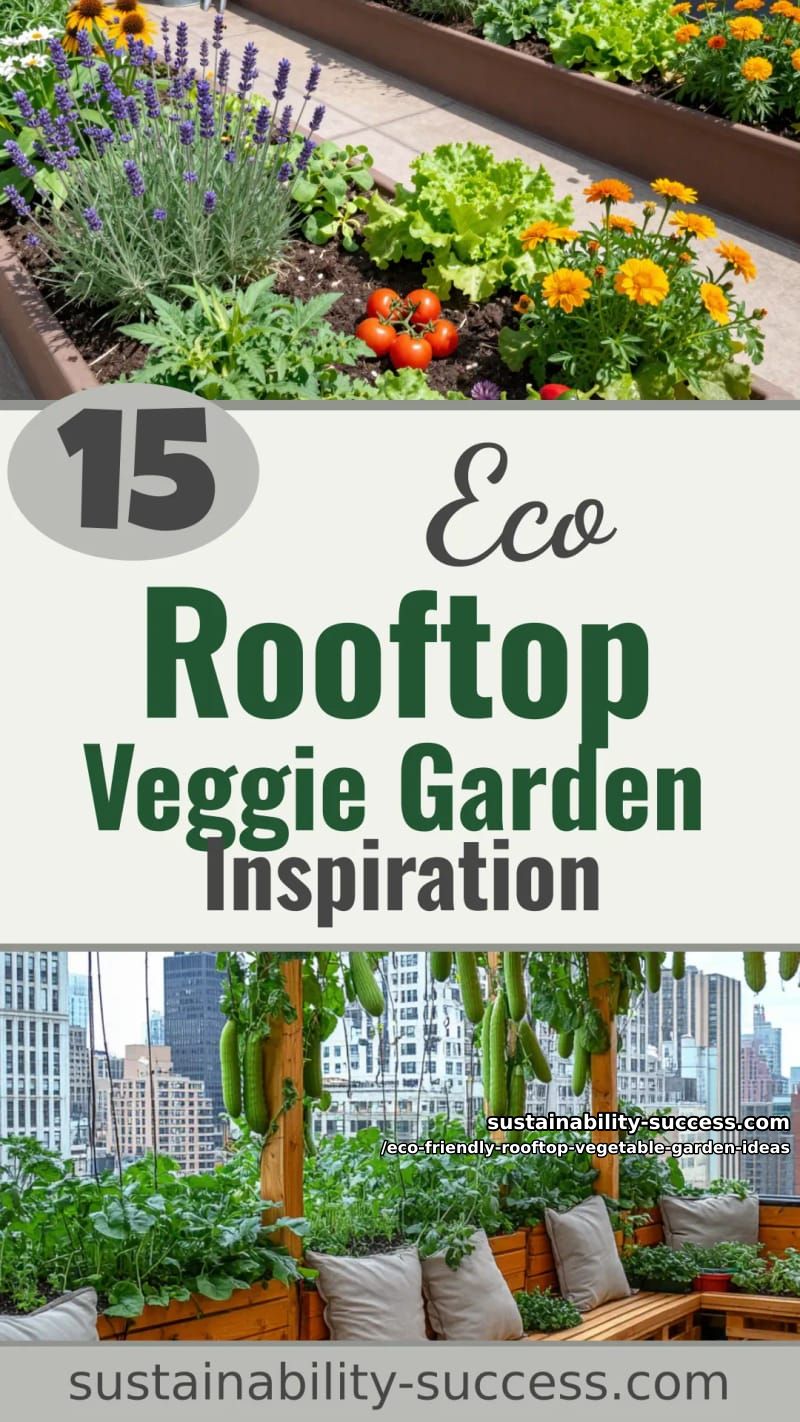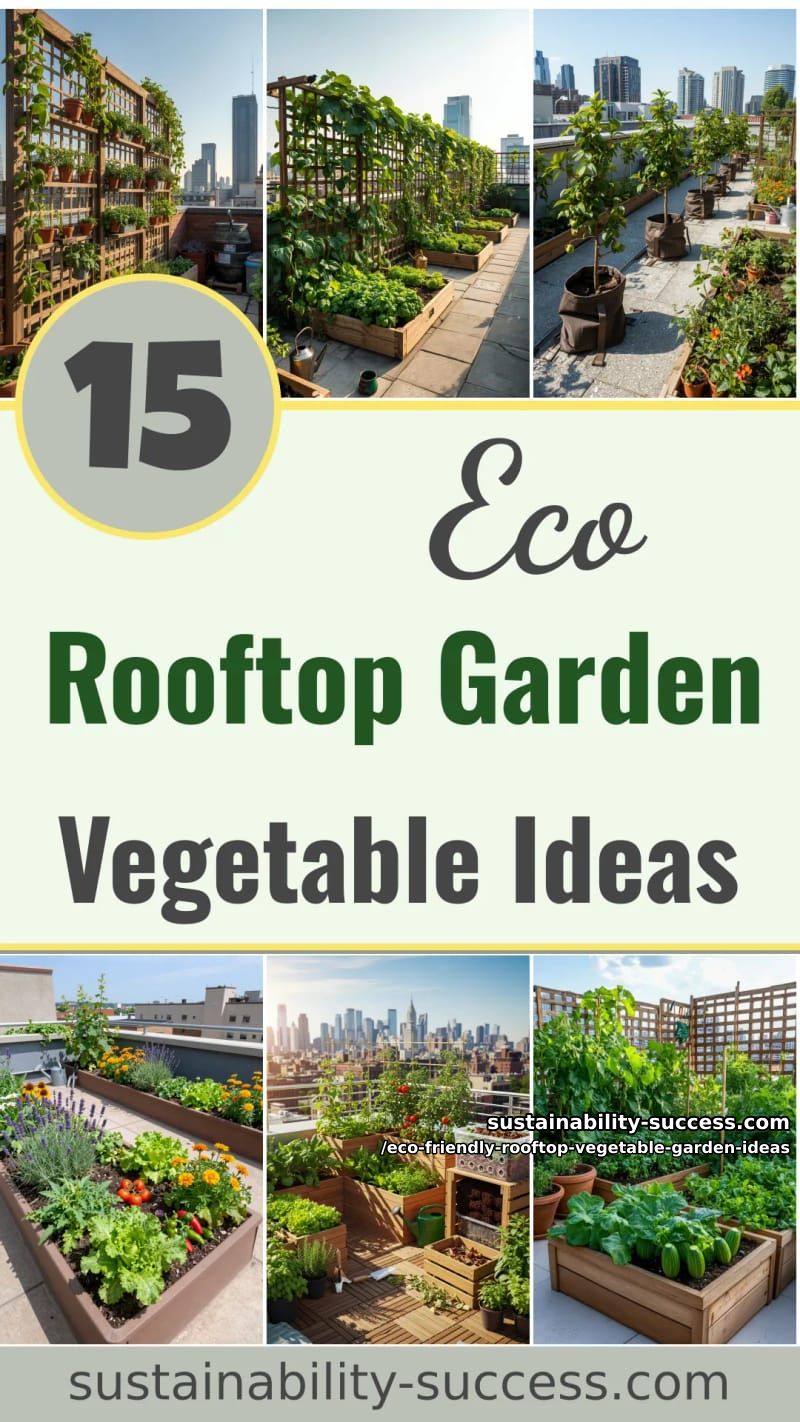
City living doesn’t mean giving up on homegrown veggies. Many people are turning their rooftops into green oases, putting empty spaces to good use.
These eco-friendly rooftop vegetable garden ideas help you grow food, save money, and boost your home’s value.
Imagine plucking fresh basil or tomatoes just steps from your kitchen. With some creativity and a few recycled materials, anyone can start a rooftop garden.
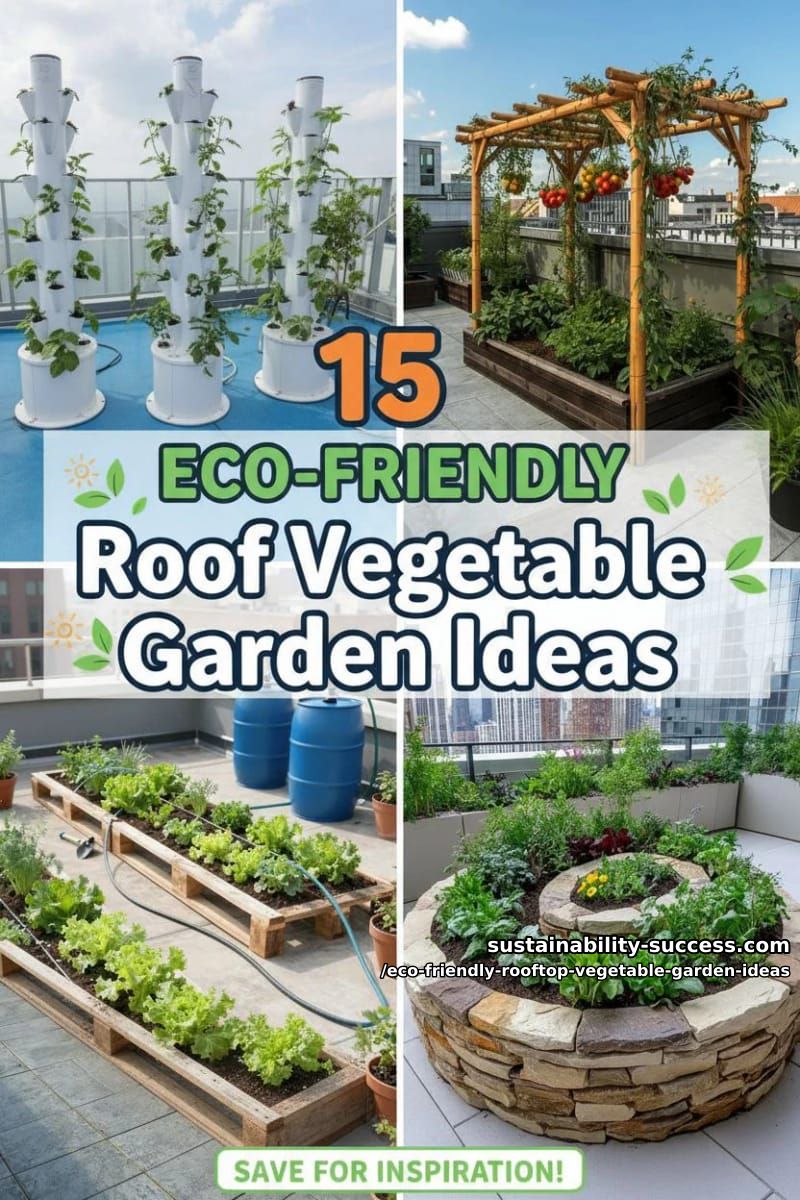
Ready to roll up your sleeves? Let’s look at fun ways to turn your rooftop into a thriving, earth-friendly vegetable patch.
1. Pallet-raised vegetable beds with drip irrigation using repurposed rainwater barrels
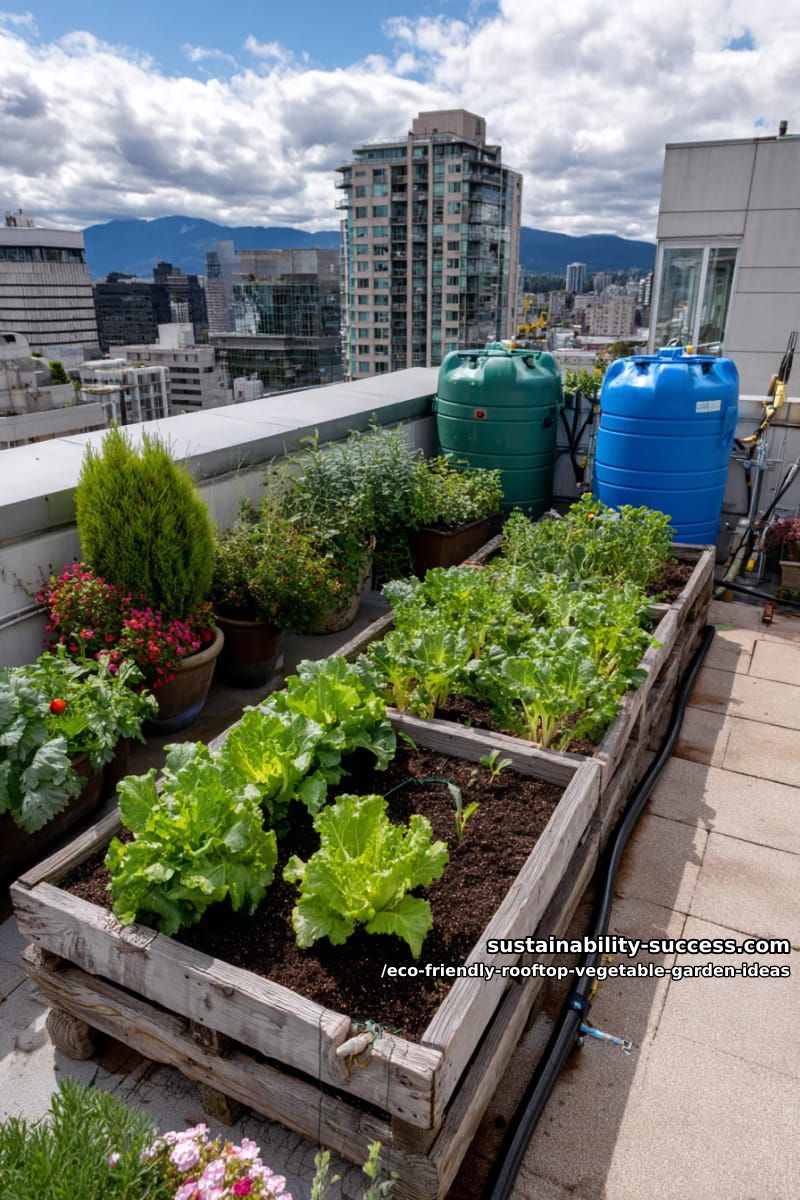
Old wooden pallets offer a low-cost way to lift your vegetable beds off the ground while giving your space a rustic edge. These beds help with drainage and reduce soil compaction.
Want to stretch your budget? Ask local businesses for unused pallets, they’re often glad to hand them over for free.
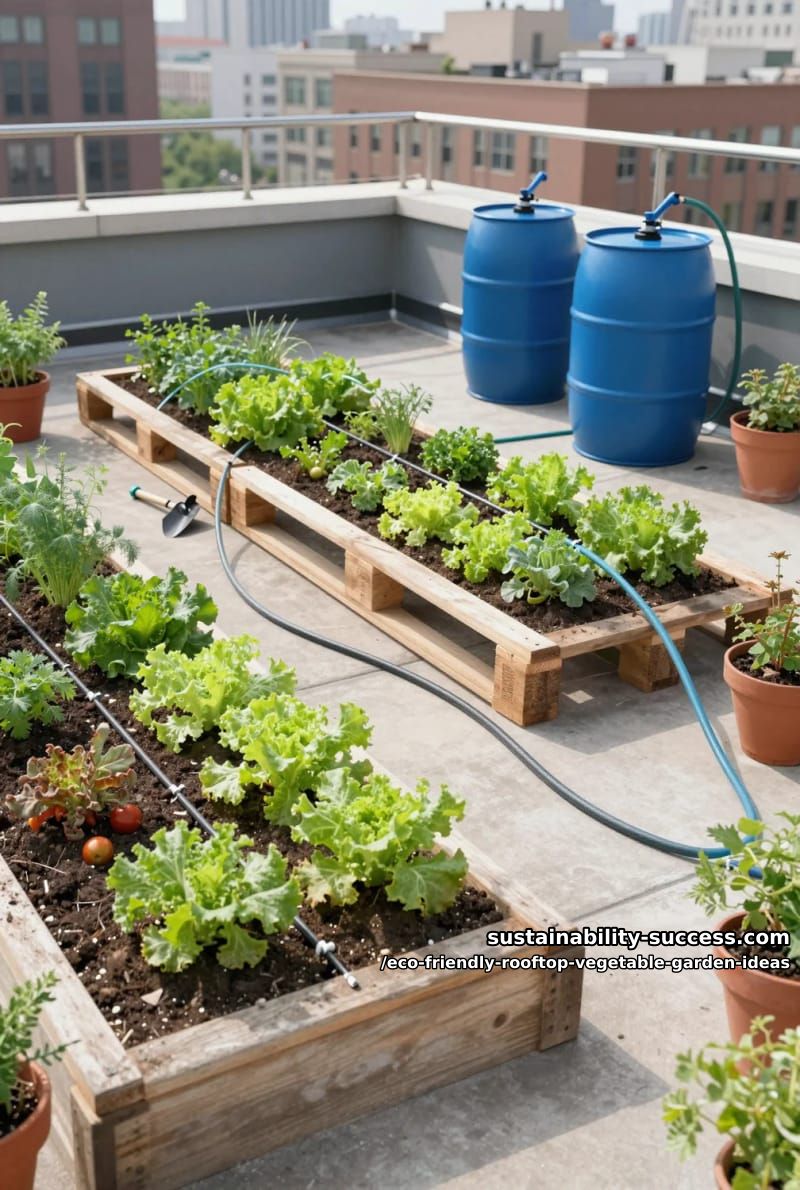
Pair your pallet beds with a drip irrigation system fed by rainwater barrels. This setup slashes water waste and keeps plants healthier by delivering moisture right at the roots.
Use basic tubing and gravity to connect barrels to your beds. It’s frugal, practical, and a solid step towards real sustainability.
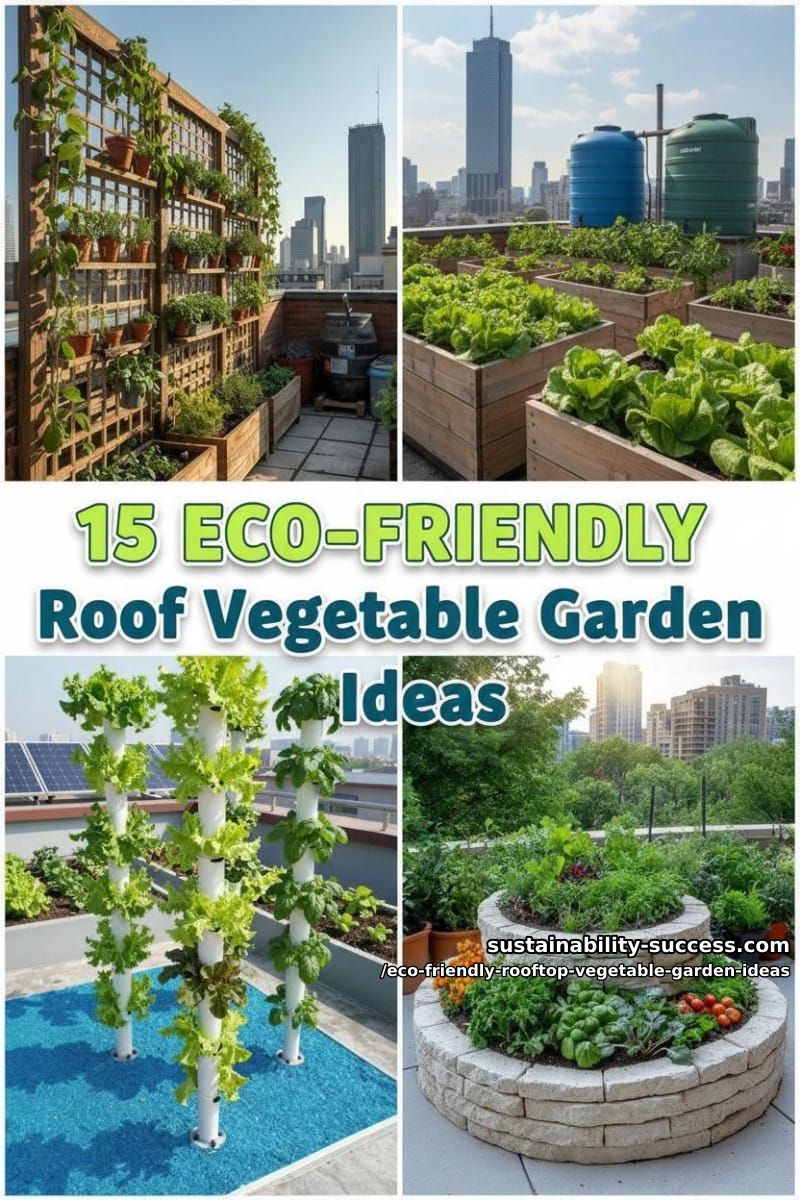
2. Vertical herb gardens on wooden trellis walls with climbing pea vines
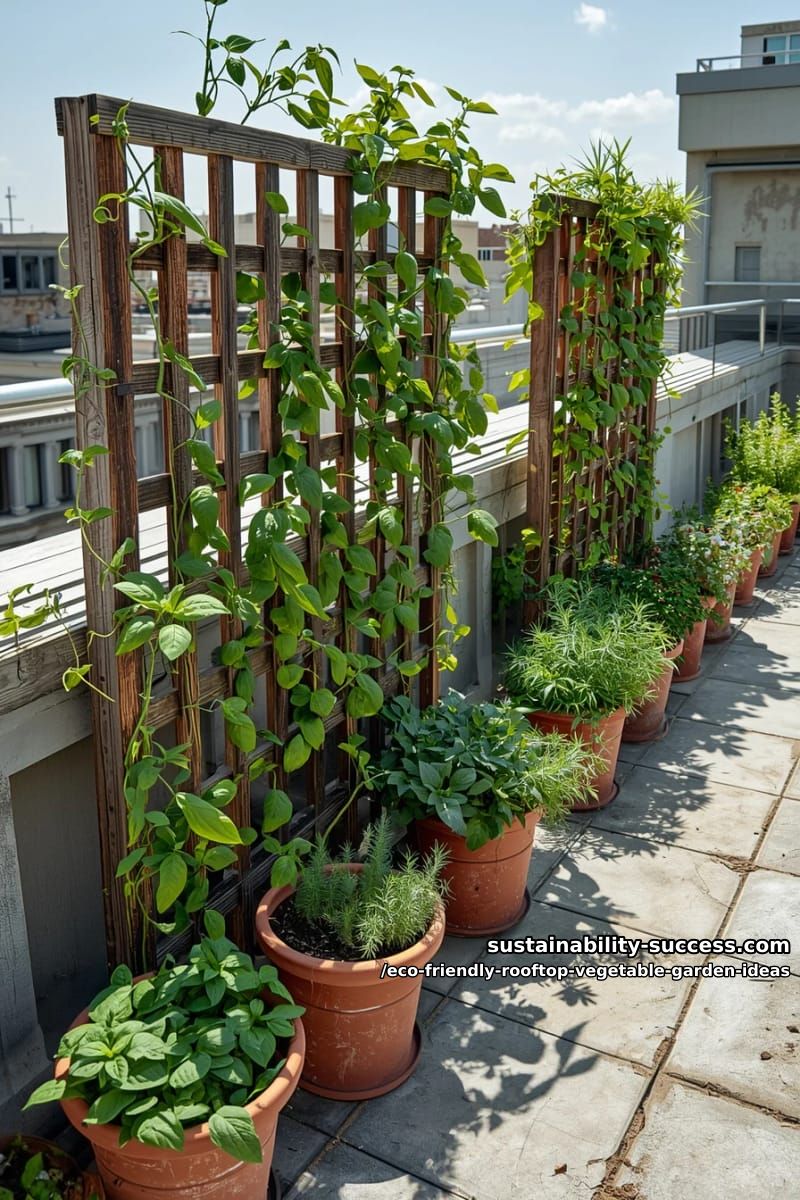
Imagine a vibrant wall of green: vertical herb gardens on wooden trellis walls bring life to dull rooftops. Pea vines twist upward, turning wasted space into a productive patch.
This setup saves ground area, provides fresh herbs, and even cools your rooftop, a win for city dwellers craving homegrown flavor.
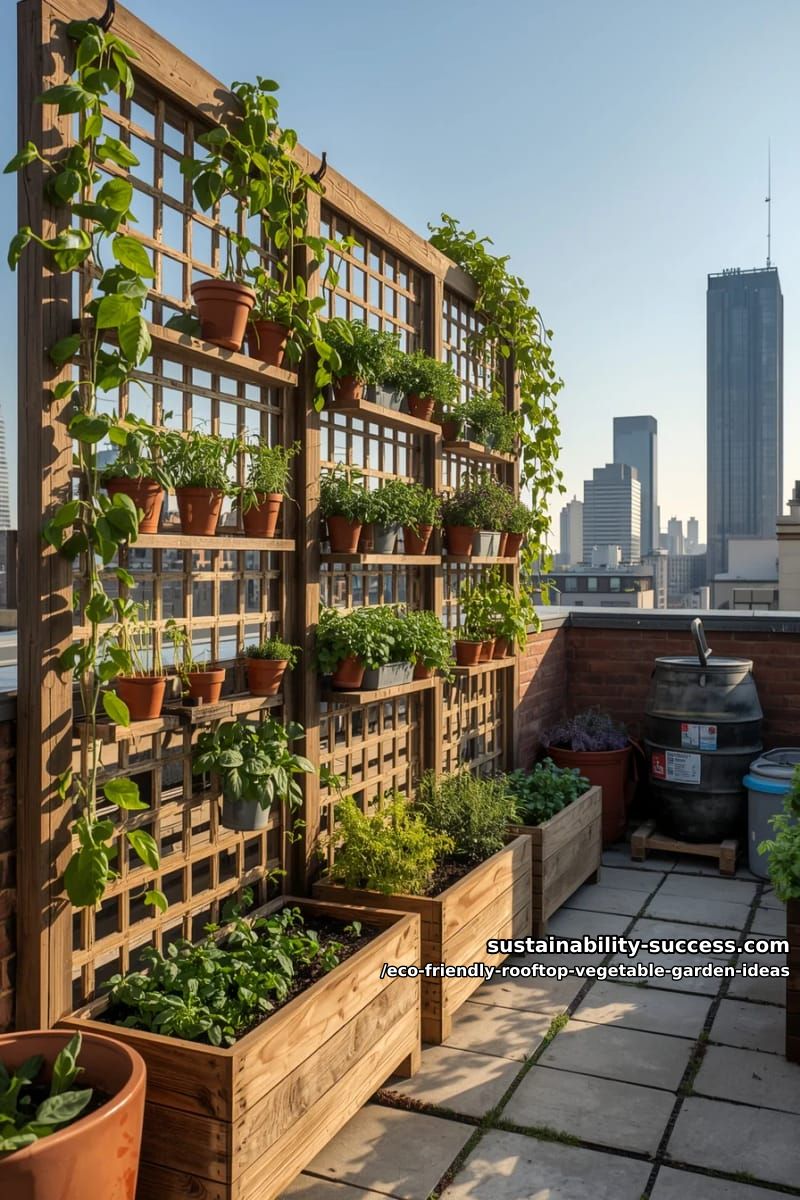
Watering can be tricky, though. With vertical gardens, soil dries out faster on hot days. Try drip irrigation or reclaimed rainwater to keep your herbs and peas thriving.
Choose sturdy, untreated wood for the trellis to avoid chemicals leaching into crops. It’s simple, smart, and truly eco-friendly.
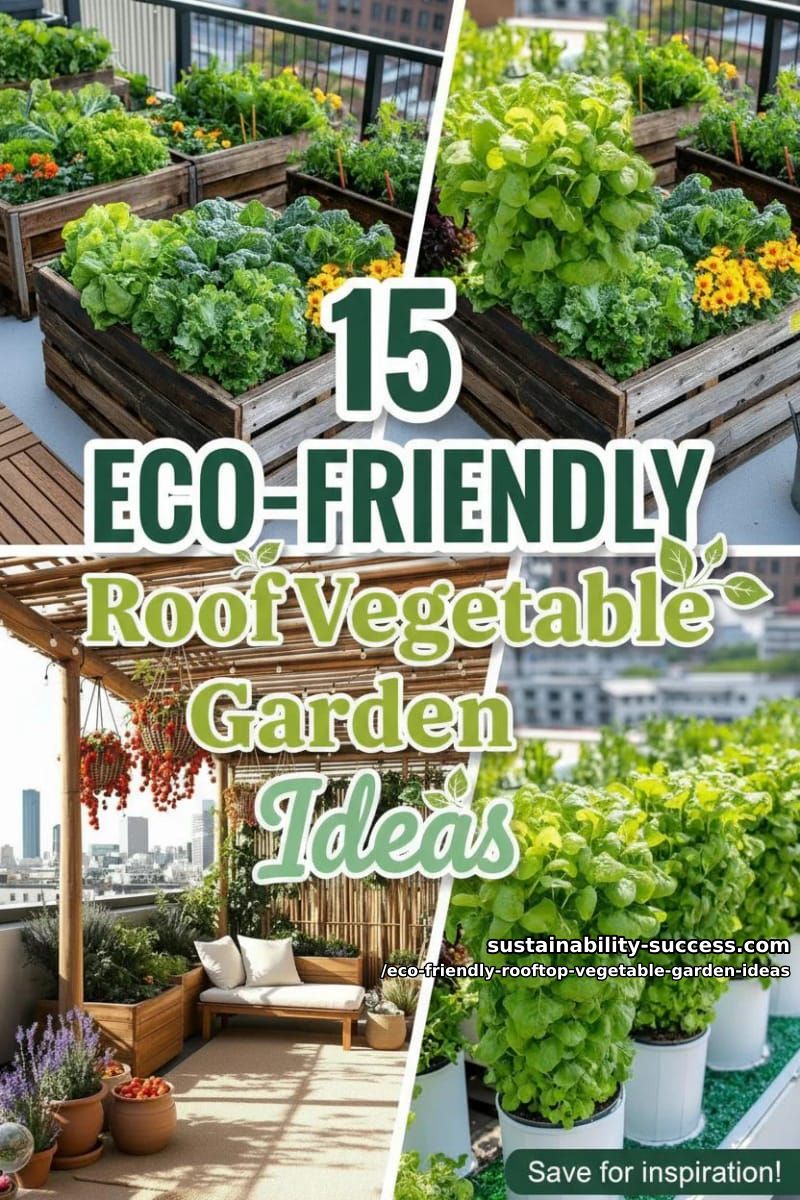
3. Upcycled crate planters filled with leafy greens and companion flowers
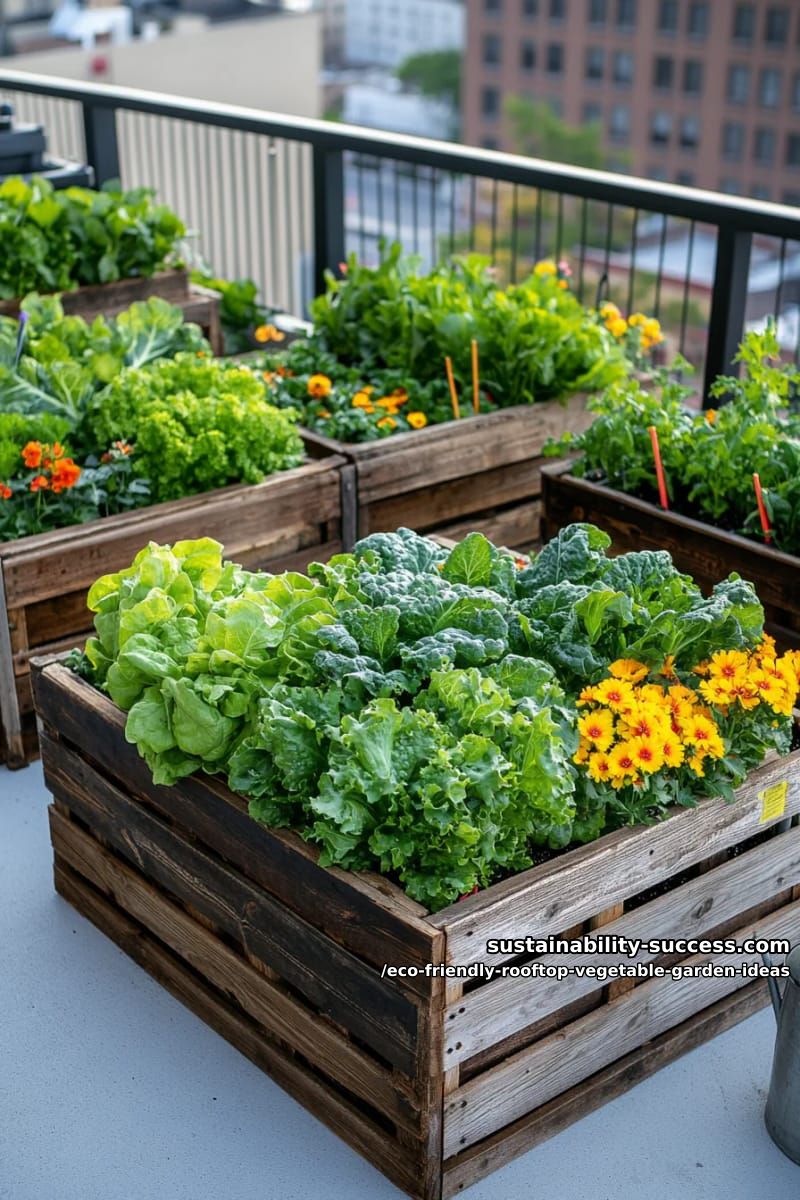
Old wooden crates, often discarded after deliveries, can easily become sturdy planters. Fill them with rich soil, then plant lettuce, spinach, and arugula alongside marigolds or nasturtiums.
The flowers deter pests, reducing your need for chemicals. This setup turns waste into fresh produce and bright blooms.
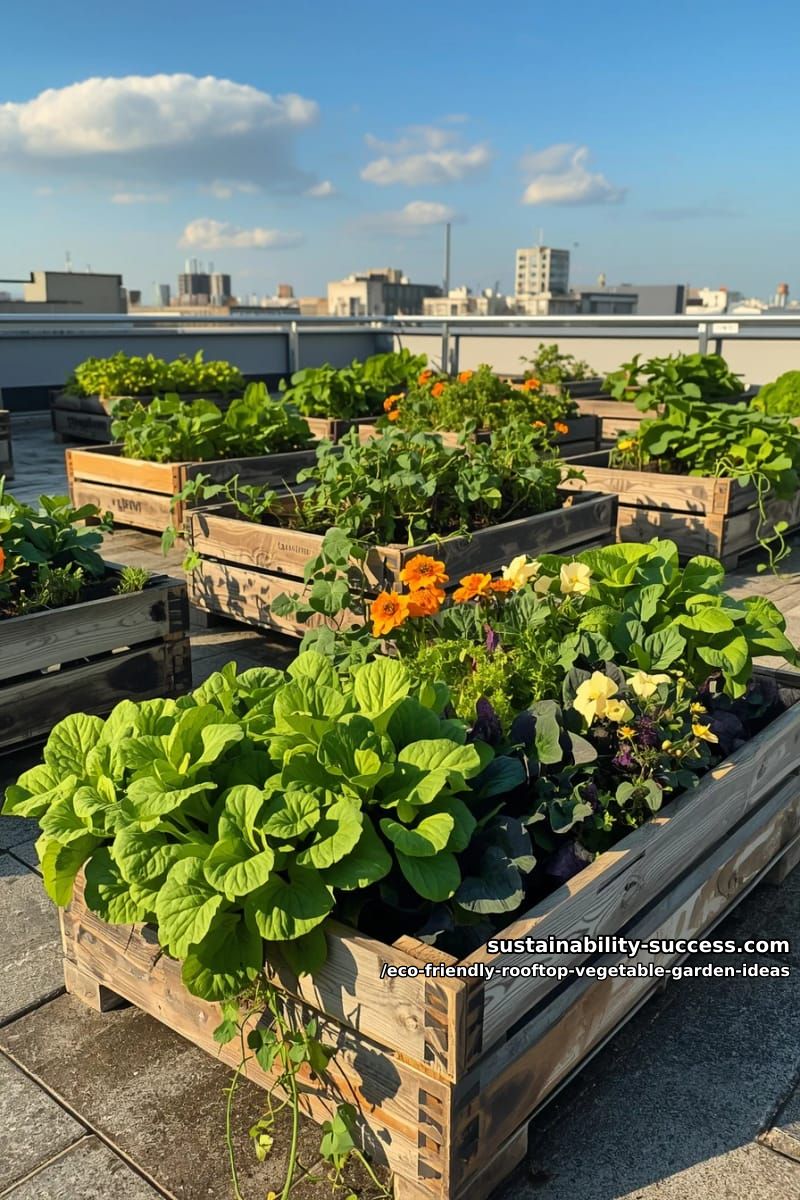
Don’t forget drainage. Drill holes in the bottom to prevent soggy roots. Crates weather quickly, but lining the inside with burlap or old plastic bags extends their life.
You don’t need a green thumb, just a willingness to give new life to what others throw away.
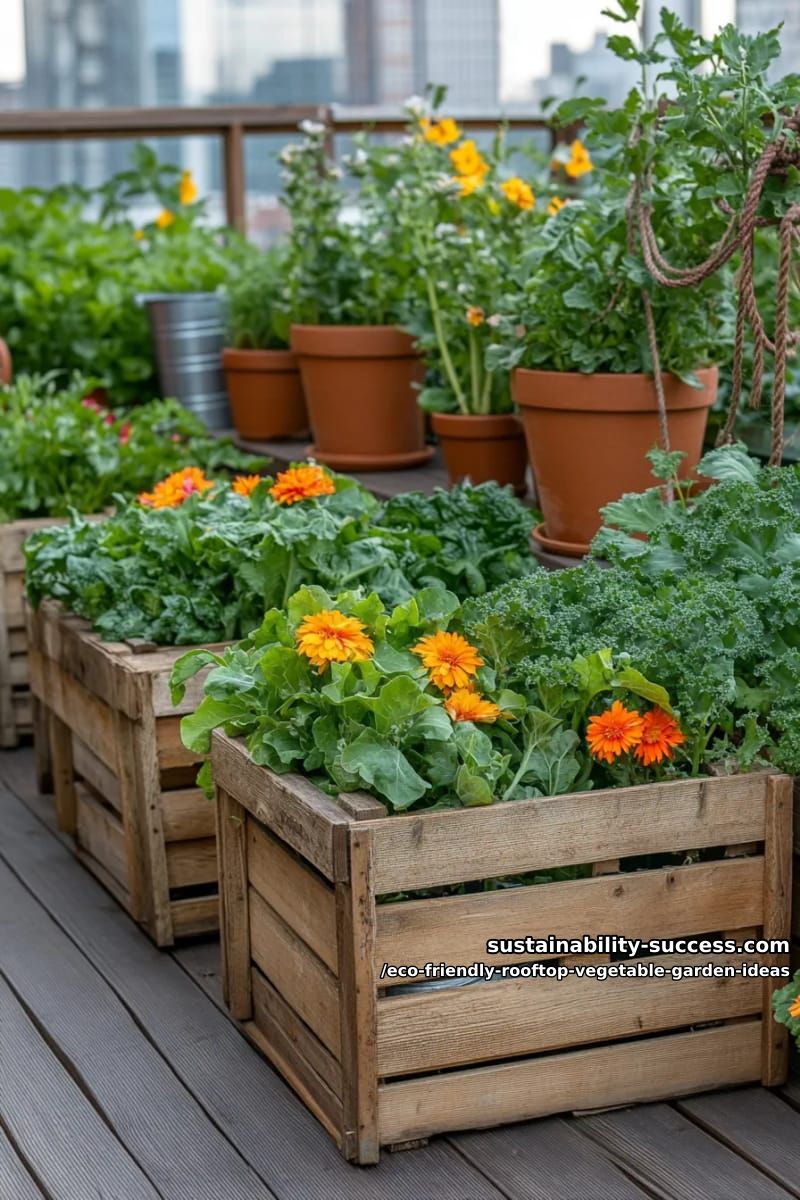
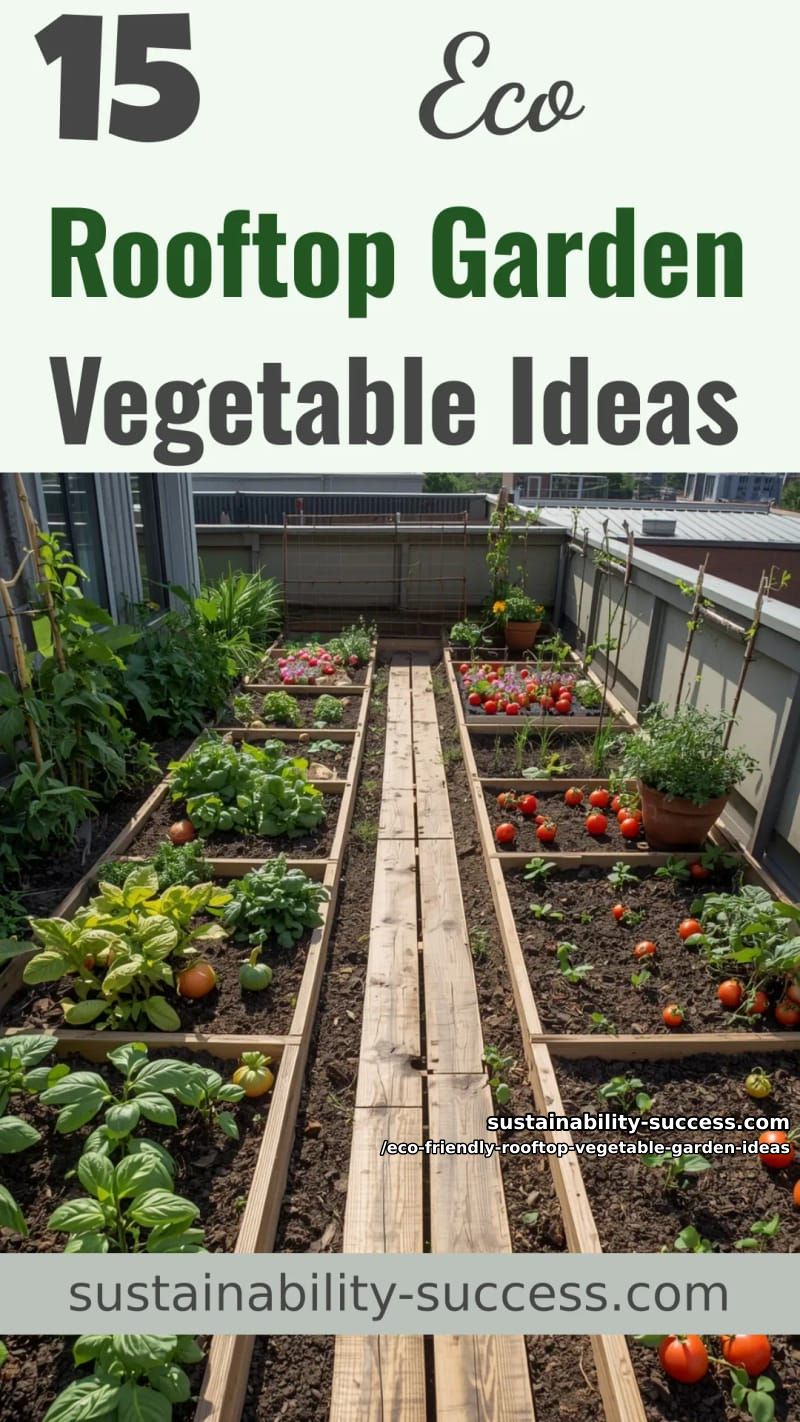
4. Succession planting rows with reclaimed wood paths for easy access
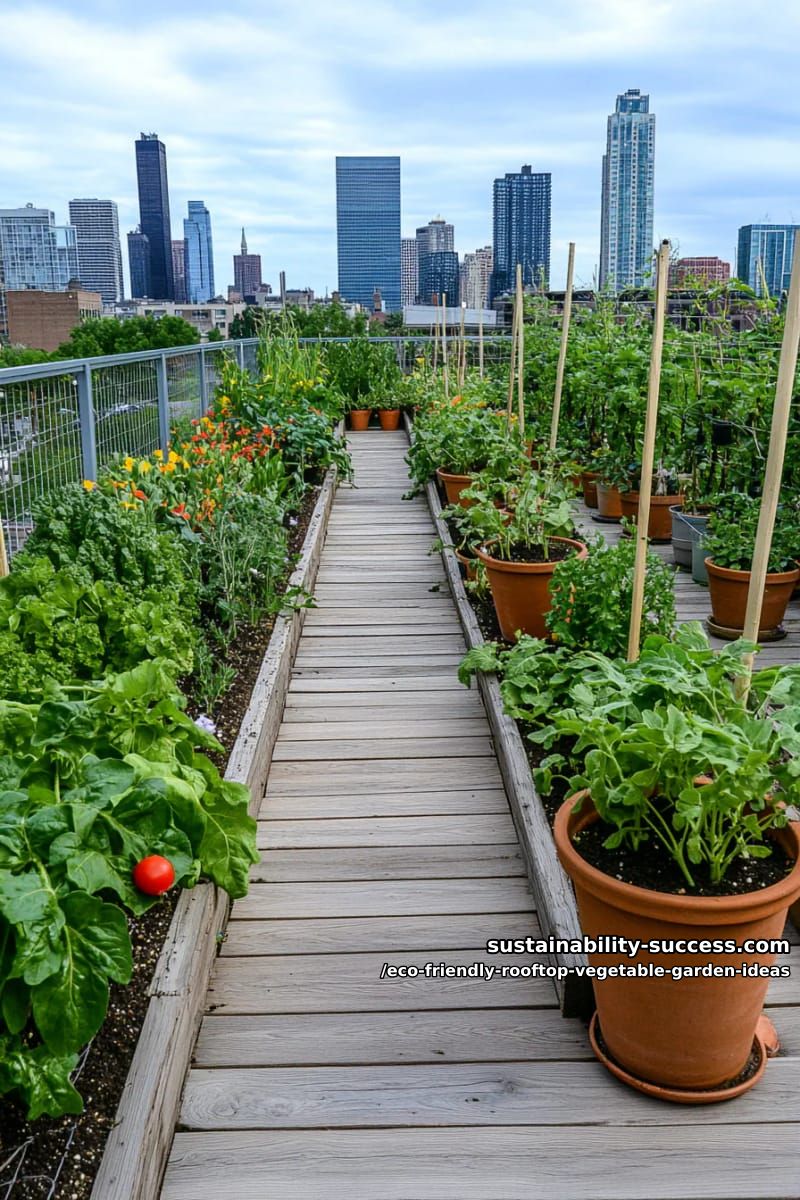
Planting rows in cycles keeps your garden productive all season, so you always have something fresh to harvest. Use old wood planks as paths between beds.
This not only saves money but also gives scraps a new life. These paths make weeding and harvesting much less of a headache.
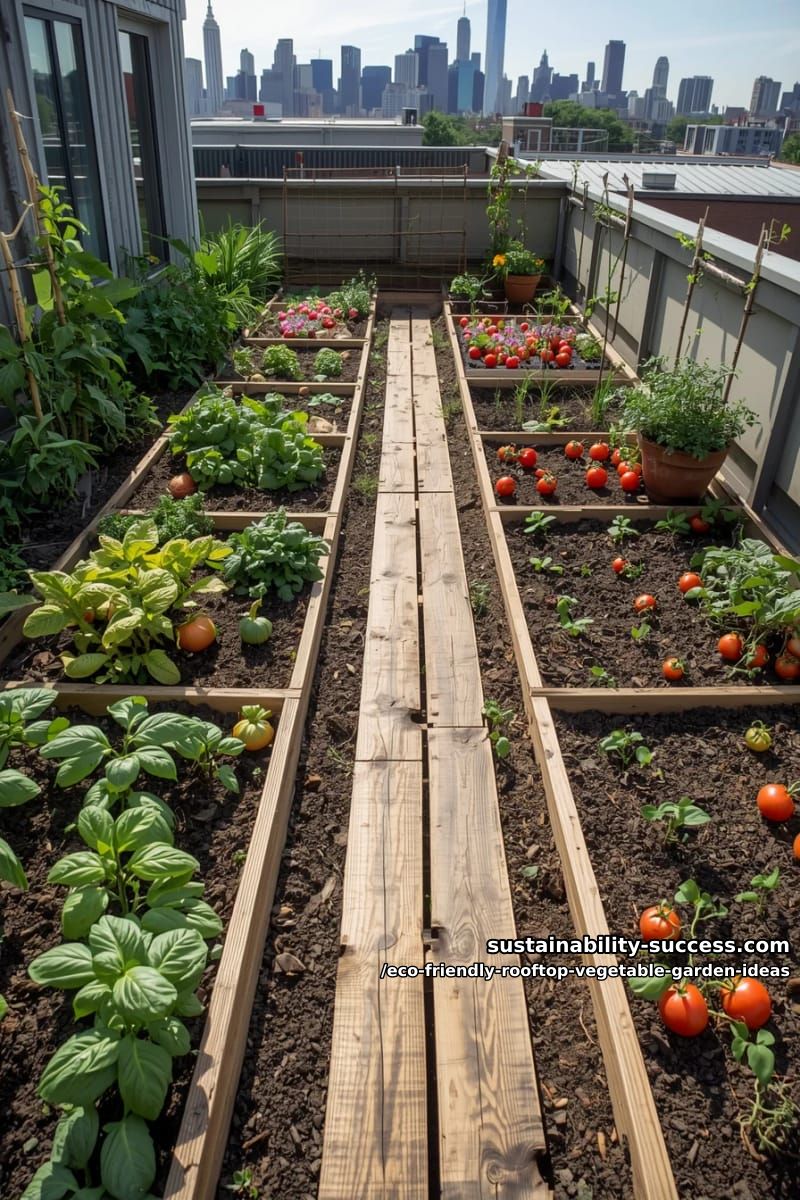
However, scavenged wood can rot faster than newer lumber. Make sure to check for nails or chemicals before laying it down. Want fewer muddy shoes? Paths keep soil off your feet and veggies.
Plus, walking on planks prevents compacting the soil where your plants need to grow.
5. Bamboo pergola with hanging tomato baskets and solar-powered fairy lights
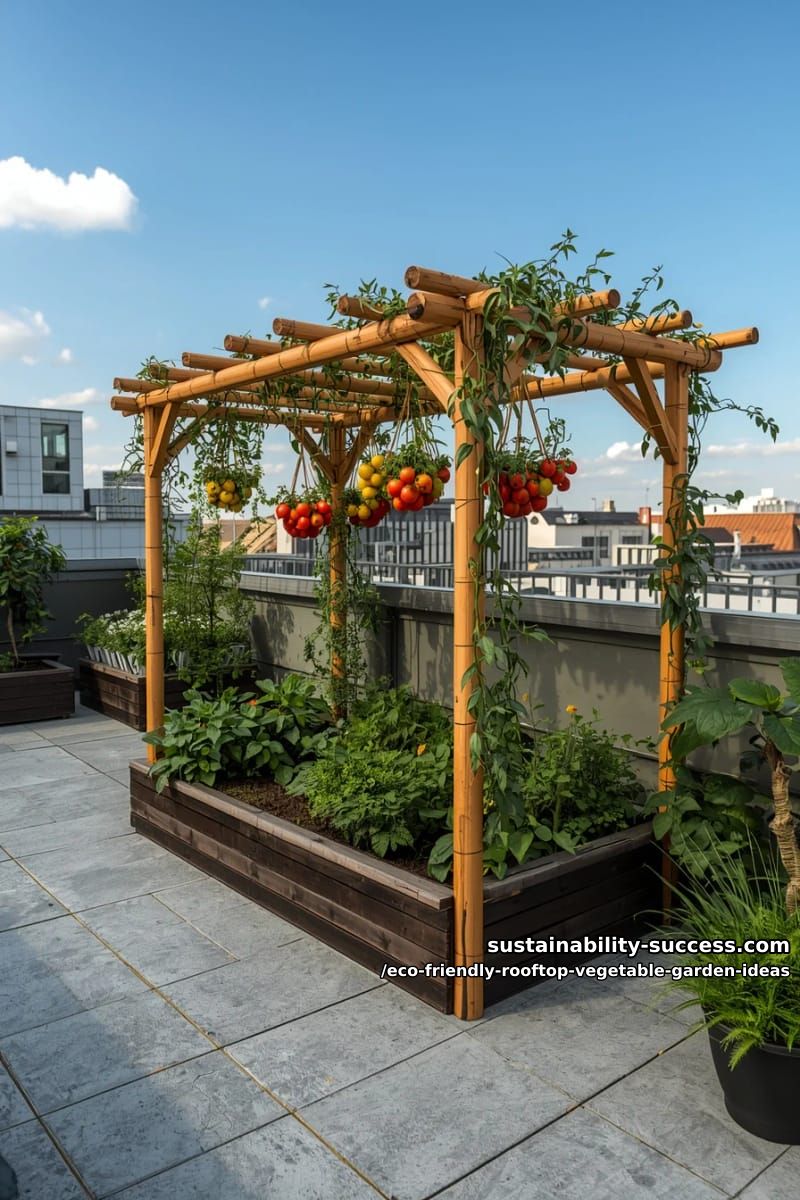
Think about a bamboo pergola. It’s sturdy, grows quickly, and is far more sustainable than metal or plastic. Hang tomato baskets from the beams.
The tomatoes get sunlight, and the leaves create natural shade for cool relaxation beneath. Add solar-powered fairy lights for a welcoming glow after sundown.
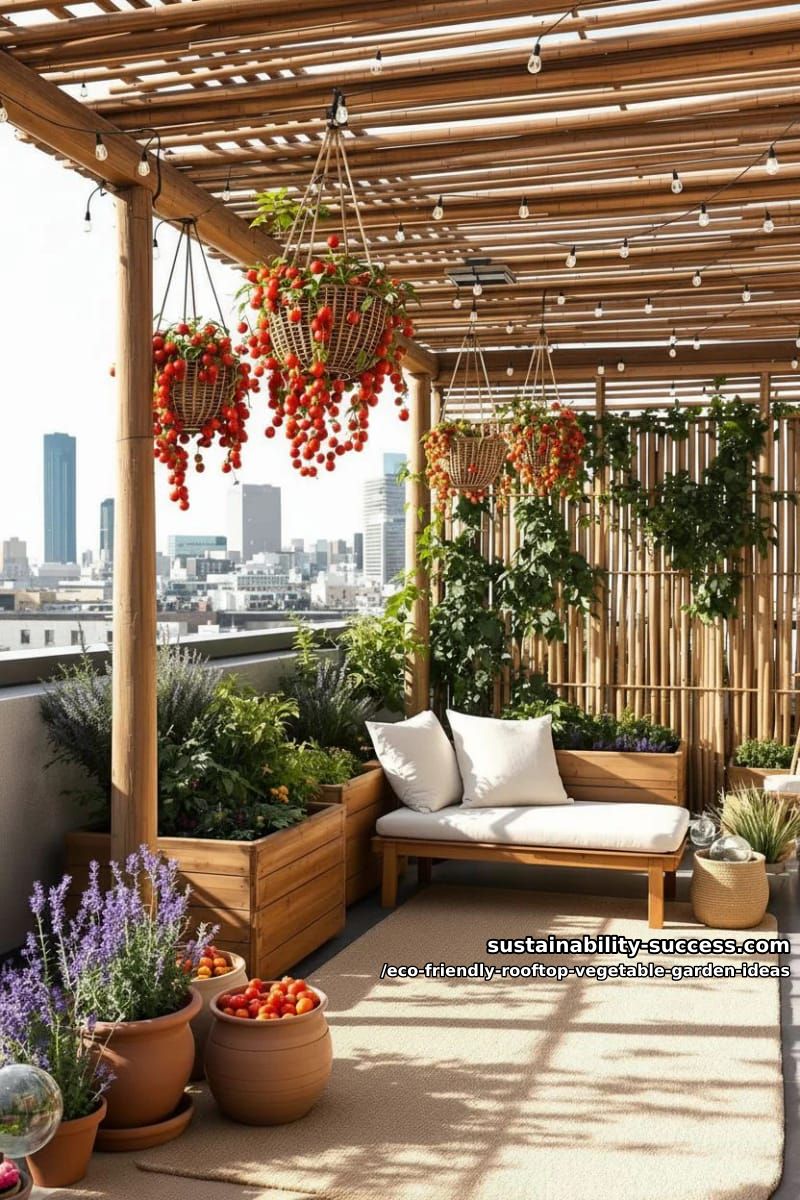
This setup isn’t flawless. Bamboo can weather over time, needing regular checks. Solar fairy lights depend on sunlight, so cloudy days might leave things dim.
Still, the charm and low-impact footprint make this combo an appealing choice for eco-minded gardeners who want both food and atmosphere.
6. Edible green wall featuring lettuce, strawberries, and aromatic herbs
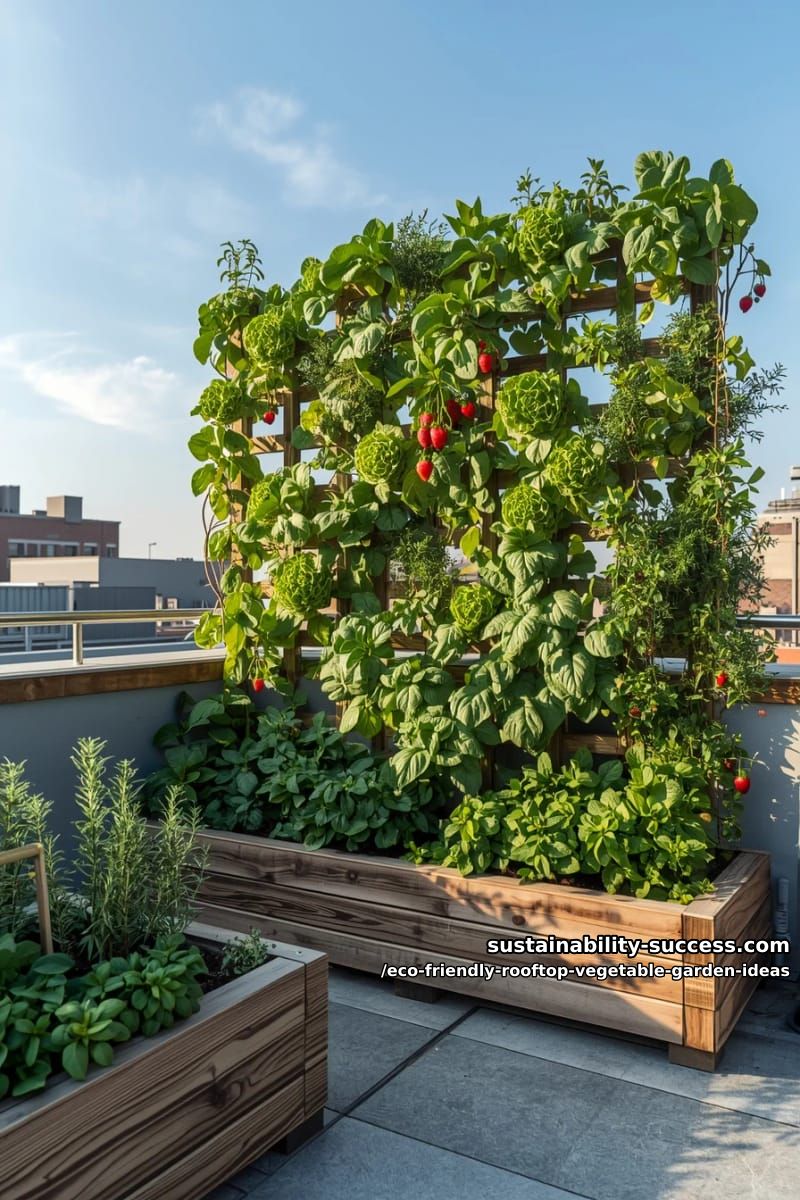
A living wall bursting with lettuce, strawberries, and aromatic herbs can turn any rooftop into a productive oasis. This space-saving idea works even for city dwellers with little room.
Imagine plucking fresh basil or sweet strawberries just steps from your kitchen, talk about convenience with a dash of flavor.
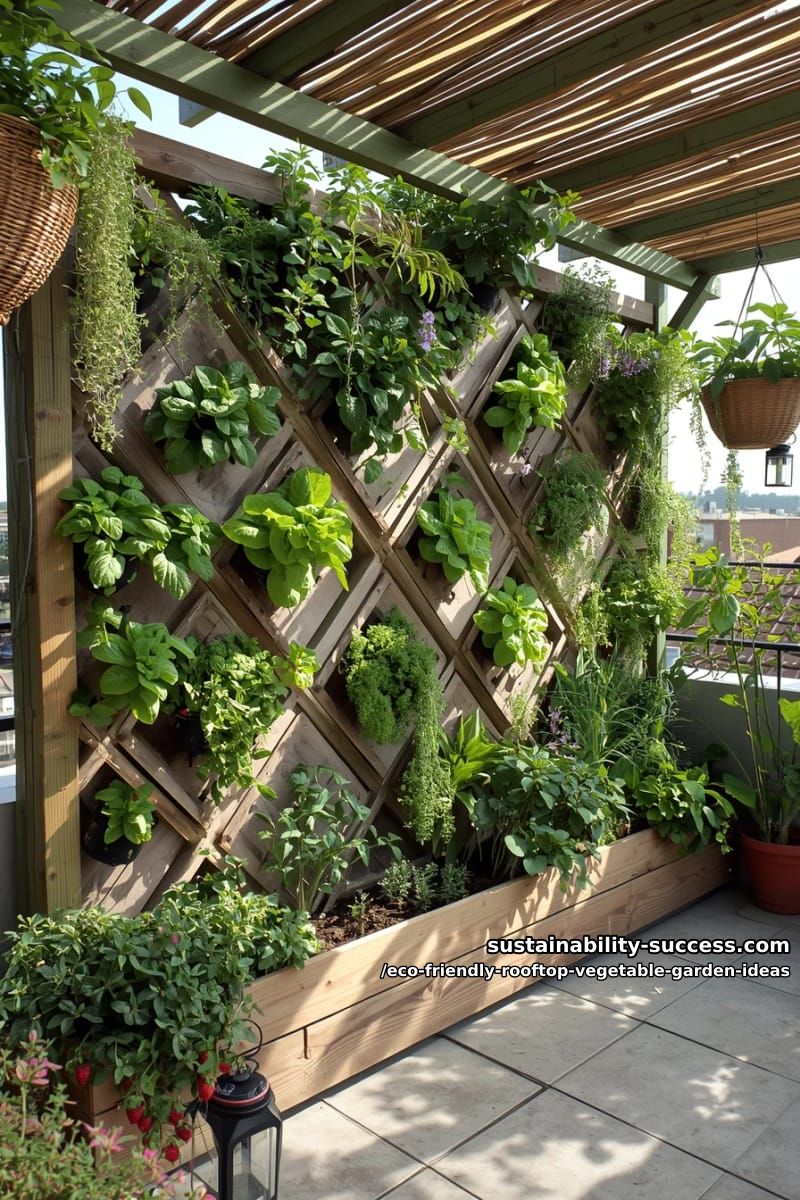
However, an edible green wall isn’t all sunshine. It needs a reliable watering system and close attention to sunlight. Overlook these, and your wall might become a sorry sight.
Try using recycled materials for planters to keep things earth-friendly. Small tweaks, big difference, your salad bowl (and conscience) will thank you.
7. Pollinator-friendly rooftop meadow patches mixed with dwarf vegetable plants
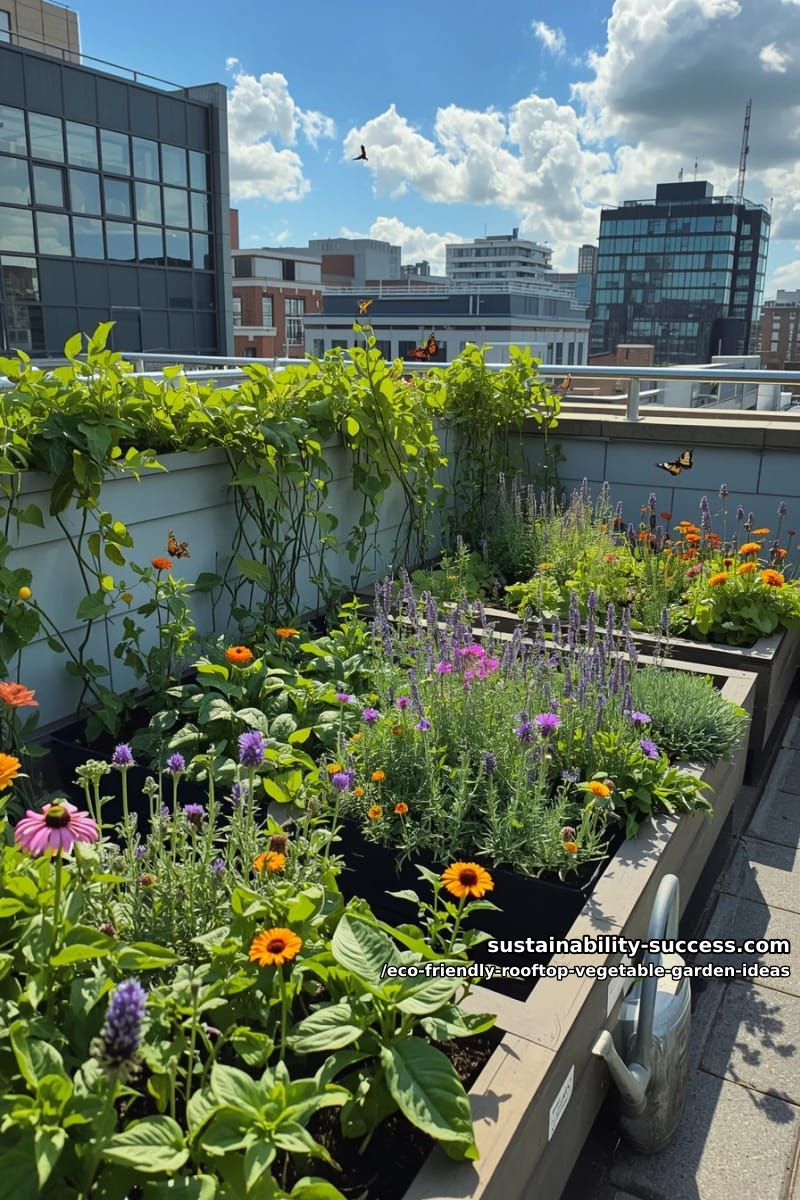
Mixing meadow patches filled with wildflowers and low-growing herbs with dwarf vegetable plants creates a haven for pollinators right above your head.
Bees and butterflies get a buffet, while your tomatoes and peppers gain natural helpers. This reduces the need for hand-pollination and boosts harvests with little extra effort.
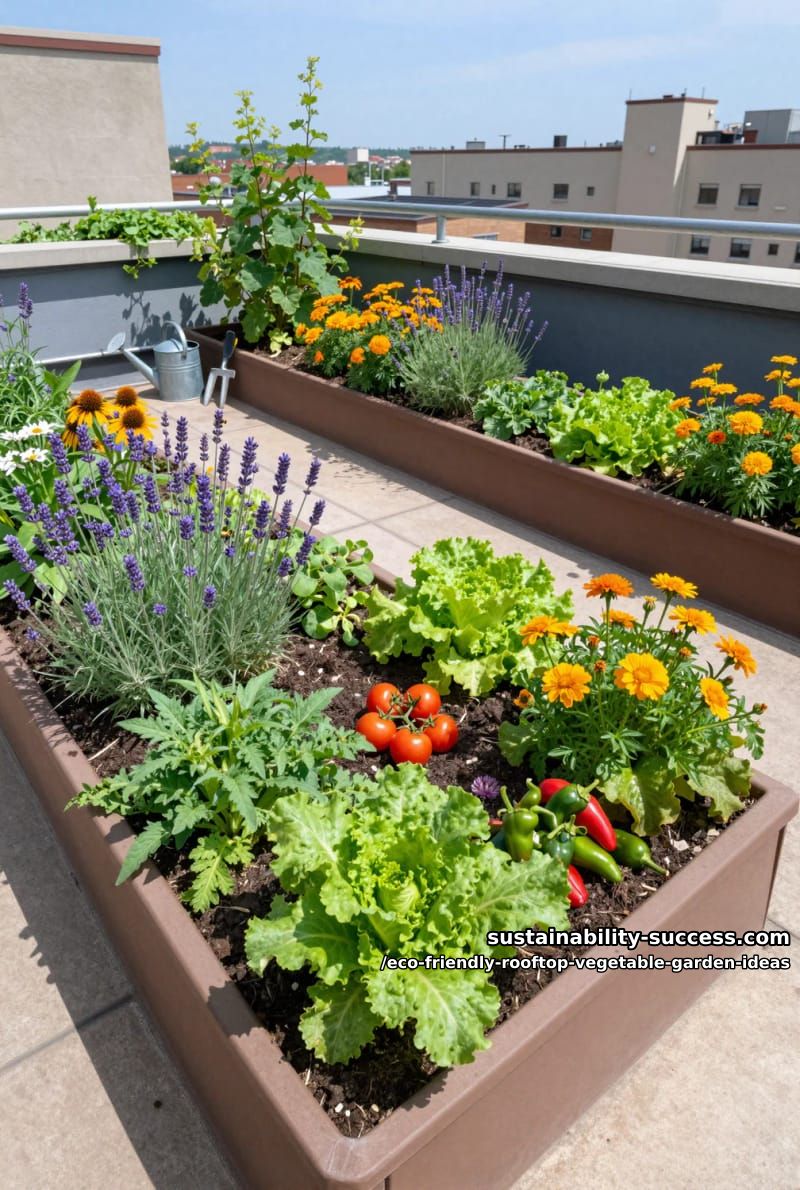
Still, balance is key. Some wildflowers can be aggressive; keep them in check so veggies don’t get crowded out. Stick to compact varieties like mini eggplants or bush beans.
A few planters, well-placed, can turn even the smallest rooftop into a productive, buzzing ecosystem. Isn’t that worth a try?
8. DIY composting corner using stacked crates and worm bins for organic fertilizer
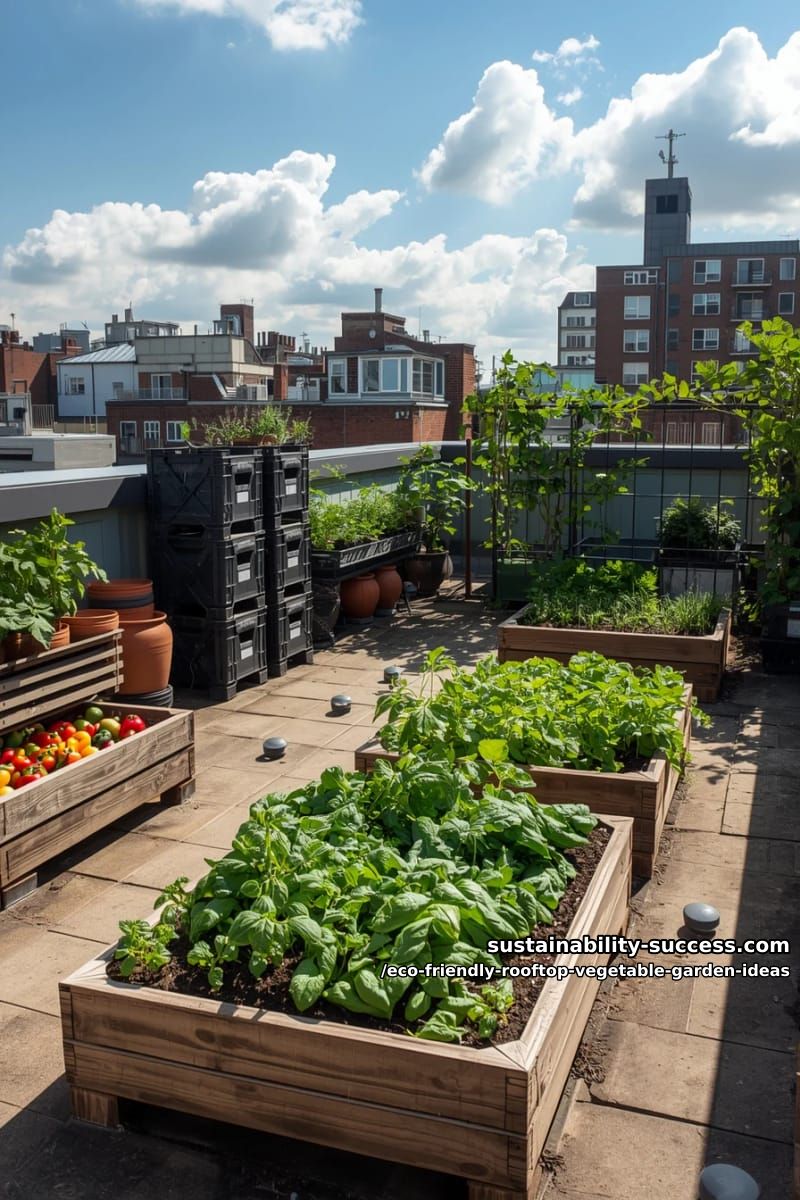
Creating a DIY composting corner with stacked crates and worm bins is a clever way to recycle kitchen scraps while nourishing your rooftop vegetables.
All it takes is a couple of old crates, some simple mesh, and a handful of red wigglers. Composting doesn’t just cut waste, it gives your plants a real boost.
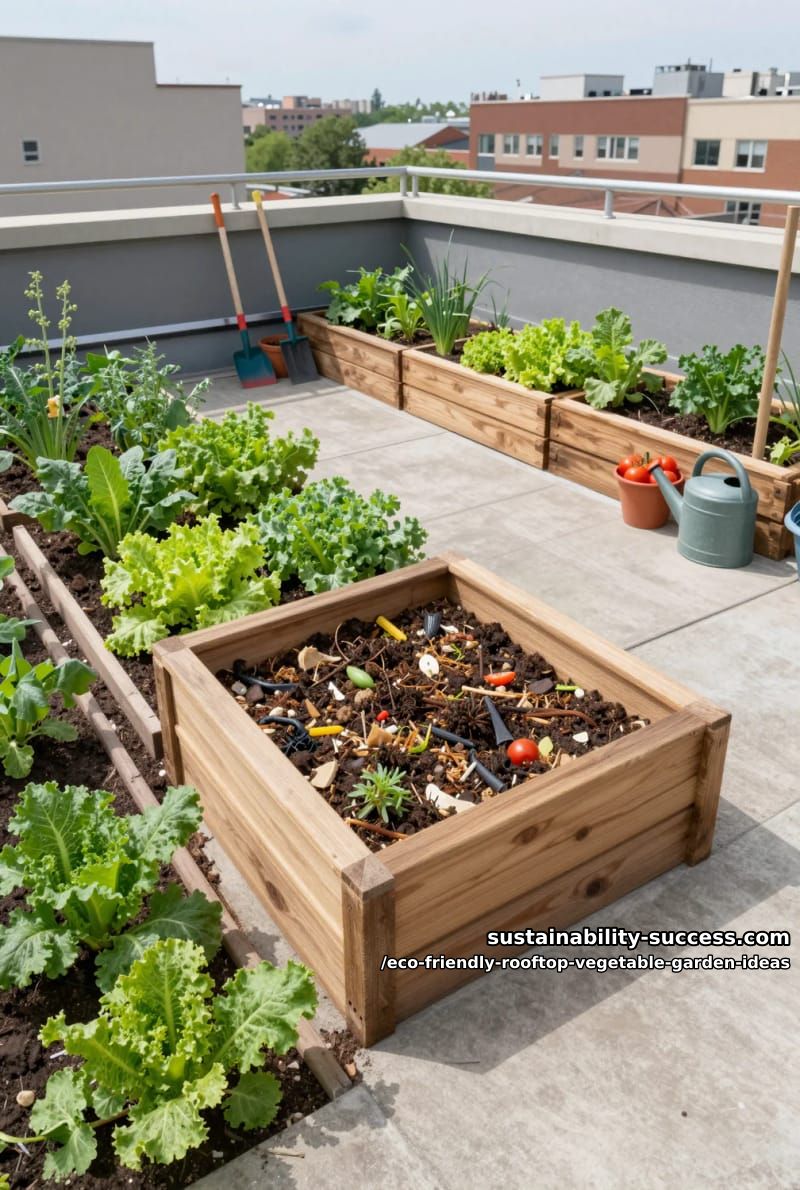
Worm bins might sound odd, but they’re low-maintenance and odor-free when managed right. Your worms munch on peels and coffee grounds, turning trash into black gold.
Just remember, worms can’t handle meat or dairy. With this setup, you save money, build healthy soil, and keep your garden green in every sense.
9. Hydroponic veggie towers surrounded by recycled glass mulch
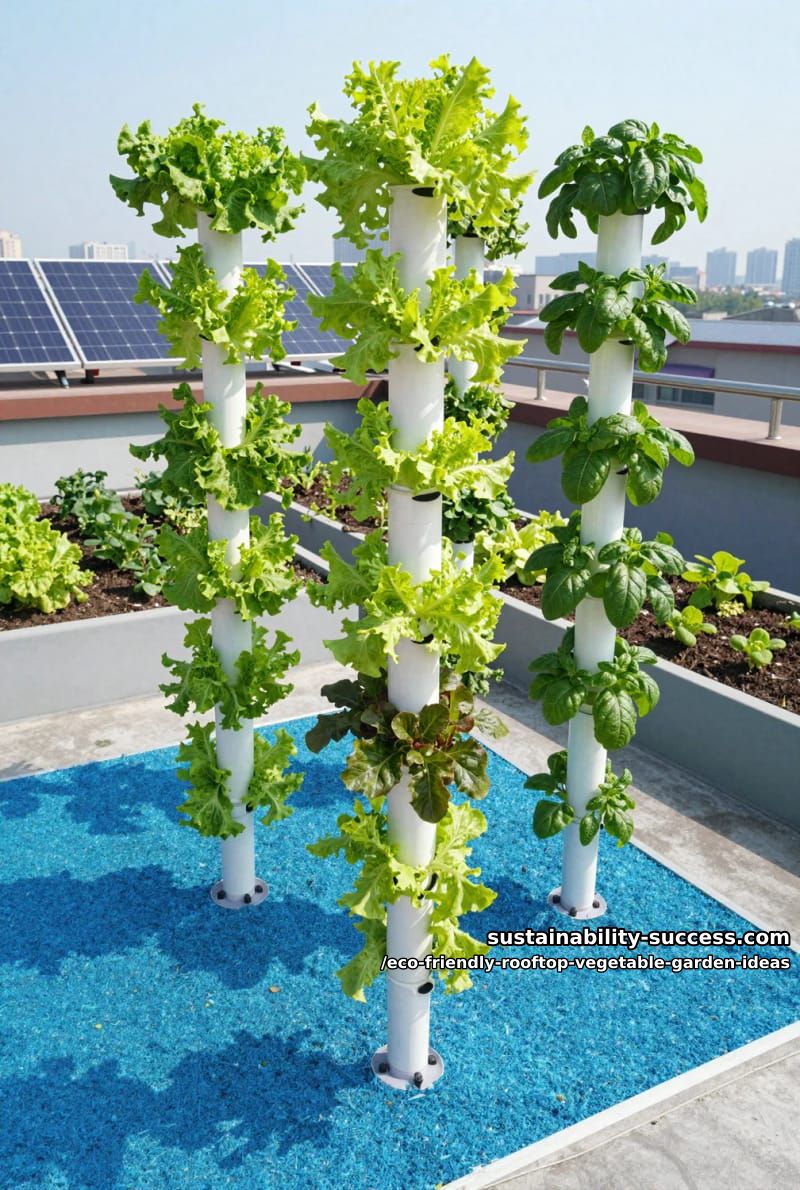
Hydroponic veggie towers make good use of vertical space, letting you grow lettuce, herbs, or even strawberries on rooftops. Their water-efficient system reduces waste.
Surrounding these towers with recycled glass mulch keeps weeds at bay, reflects sunlight, and adds a pop of color. Maintenance becomes simpler and more sustainable.
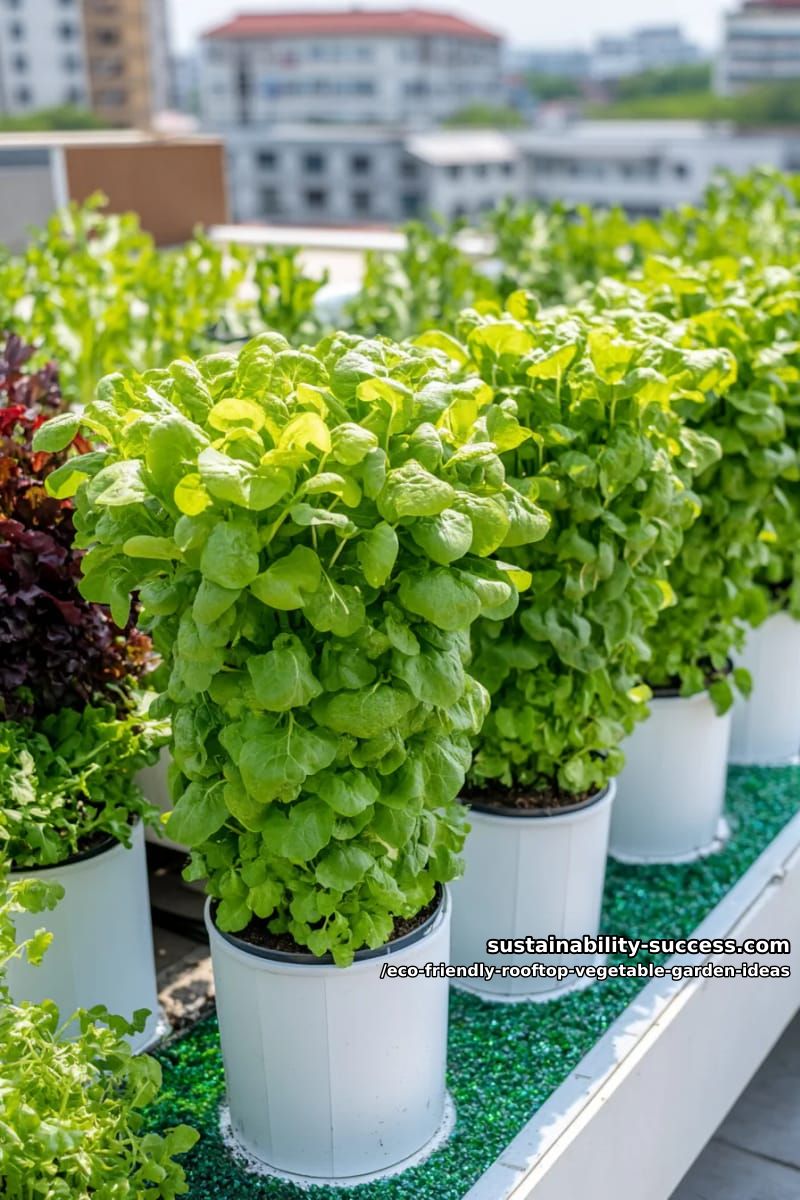
But beware, glass mulch can get hot under direct sun, possibly affecting plant roots nearby.
Touch the area on a warm day; if it’s too hot for your hand, it’s too hot for delicate stems. Opt for light-colored glass to reflect heat and keep things cooler.
10. Modular container garden with moveable pots for seasonal crop rotation
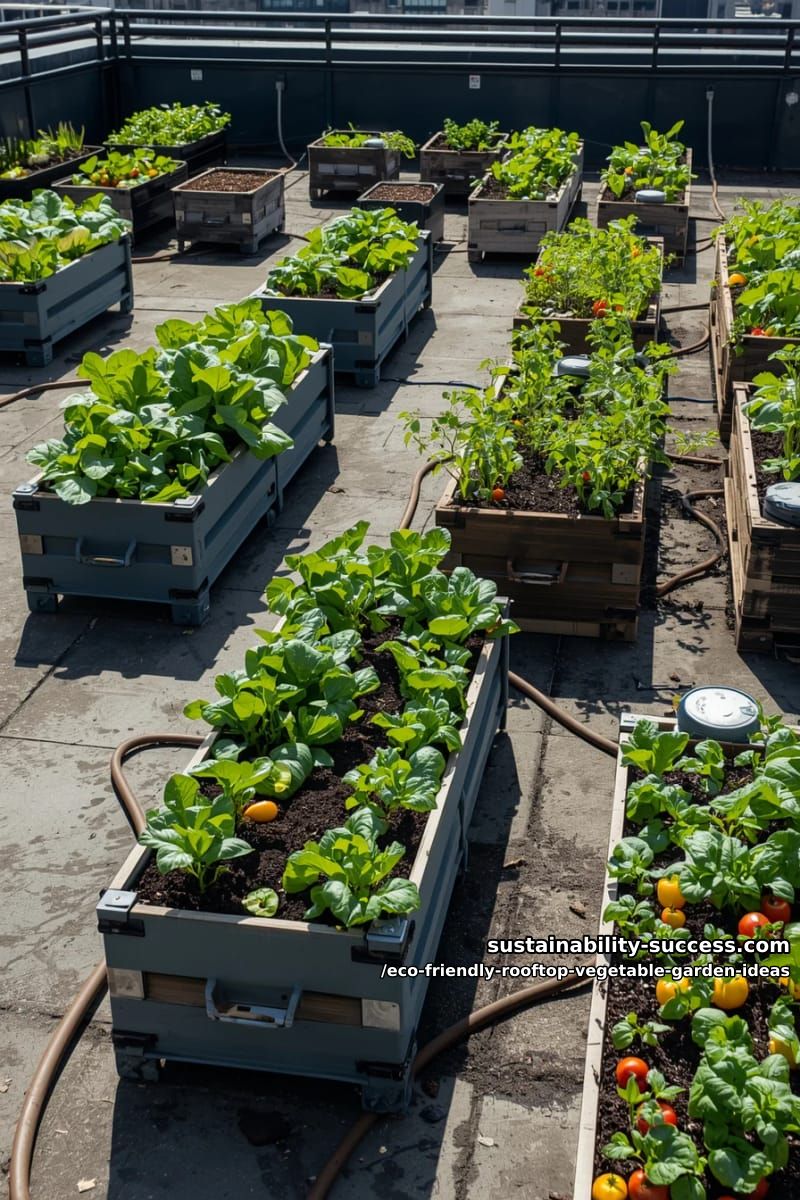
A modular container garden makes smart use of limited rooftop space. Moveable pots mean you can adjust plant placement for sunlight or swap crops with the seasons.
Tomatoes thrive in summer, while leafy greens fill the gaps in cooler months. This system also reduces soil-borne disease risks and keeps things tidy.
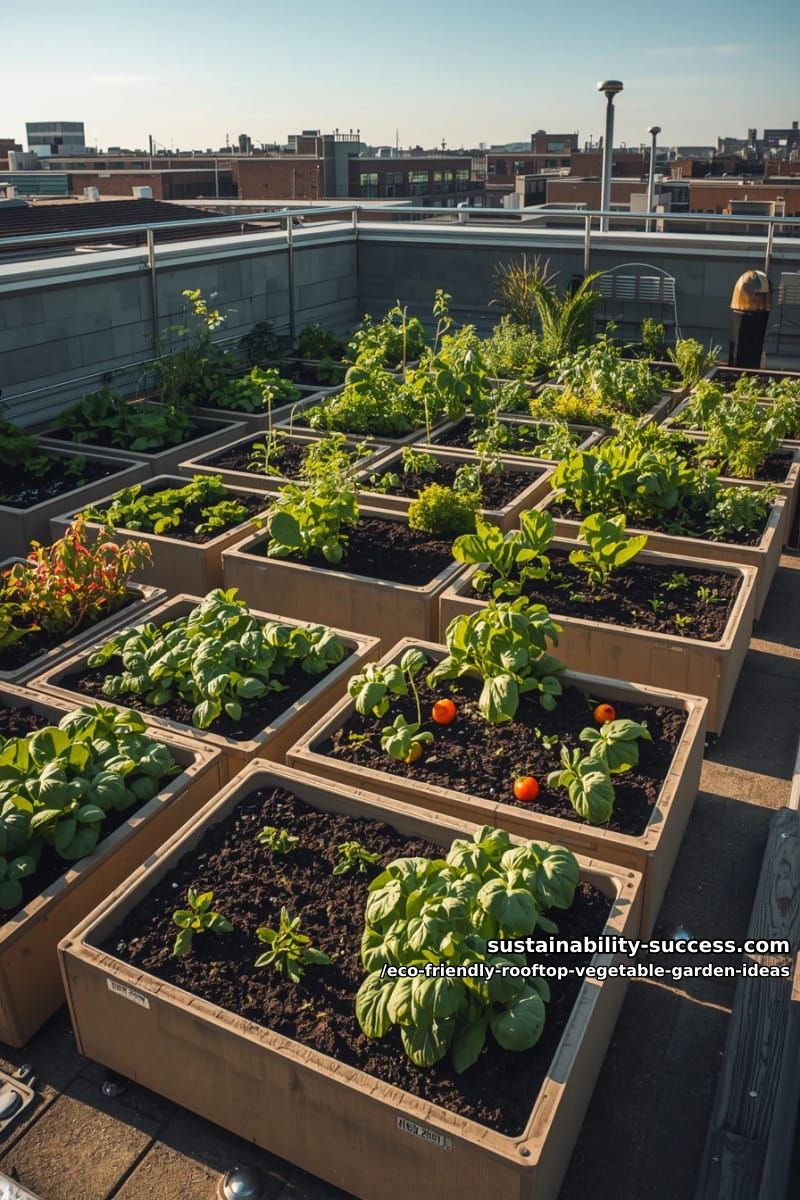
Worried about weight? Lightweight pots help prevent overloading your roof, and using organic soil mixes supports healthy growth. Just remember, frequent watering may be needed, as containers dry out faster.
Flexibility is the real win here, change things up without breaking a sweat or the bank.
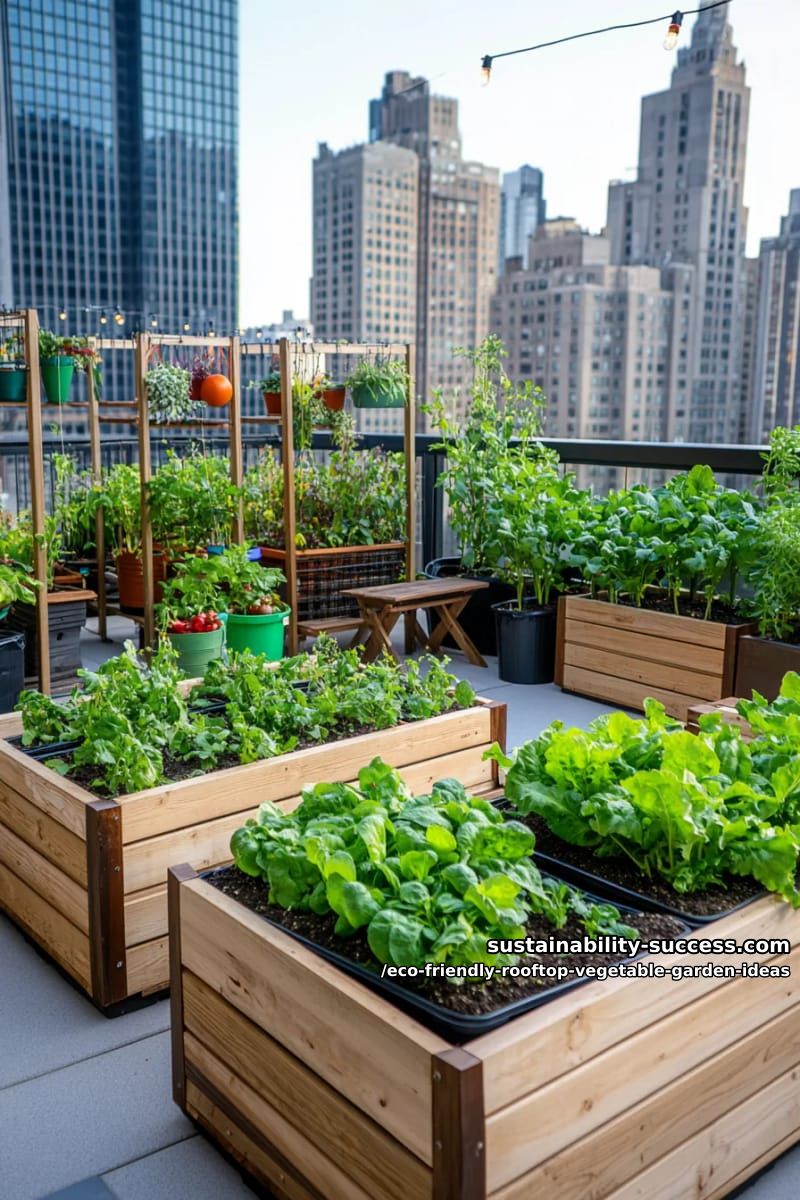
11. Urban orchard zone with dwarf fruit trees in eco-friendly fabric grow bags
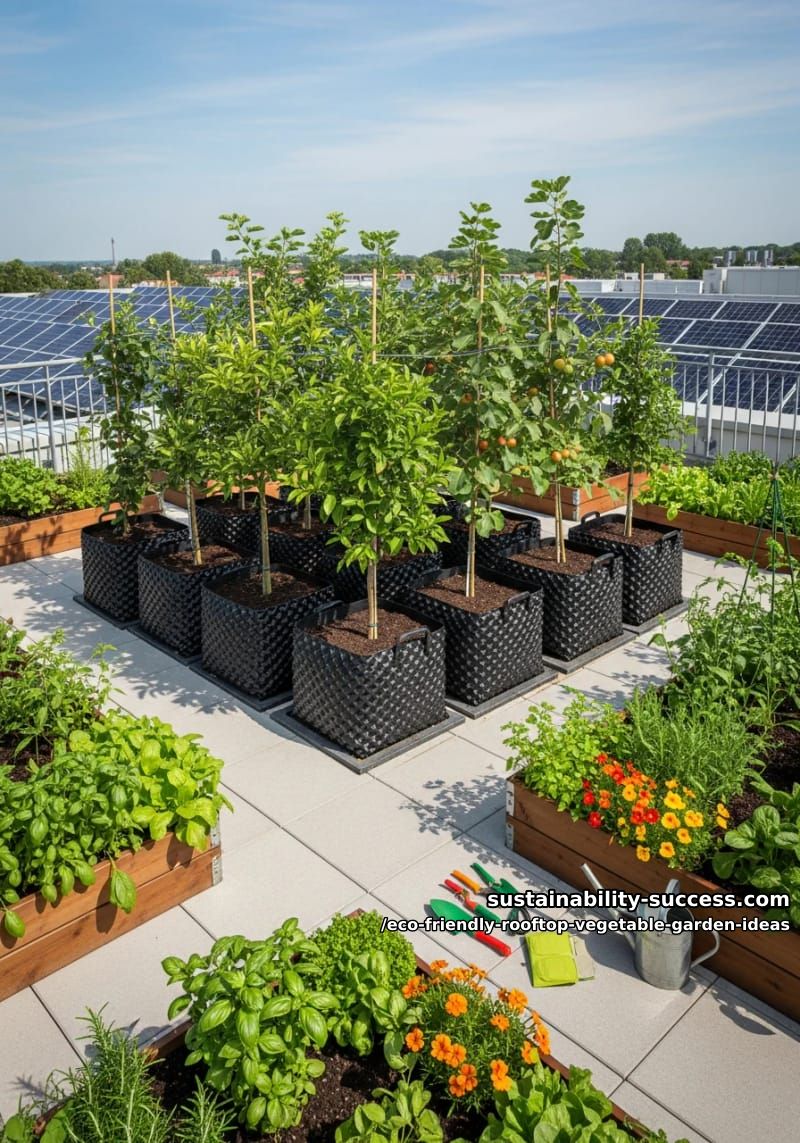
Imagine stepping onto your rooftop and plucking a ripe apple from a dwarf tree growing in a sturdy fabric grow bag.
These bags allow roots to breathe and drain well, making them ideal for tight urban spaces. They’re reusable and made from recycled materials, ticking the eco-friendly box.
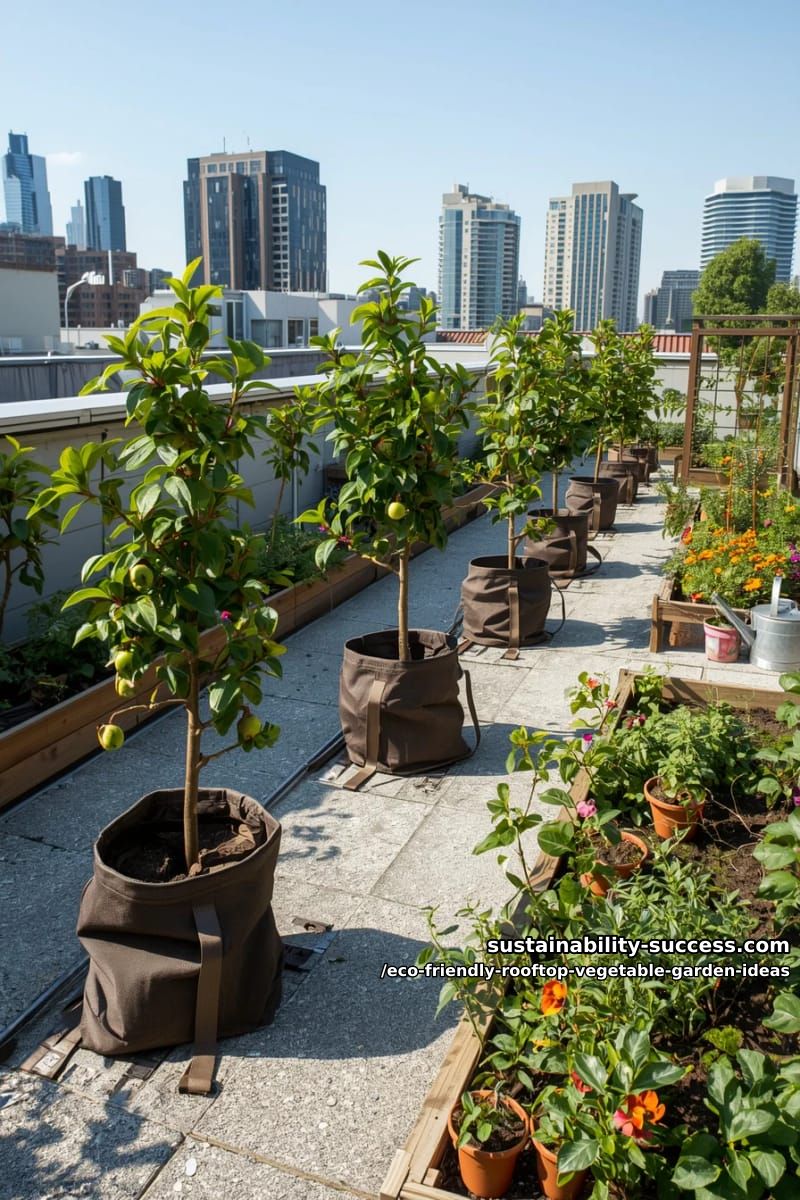
Dwarf fruit trees thrive in these containers, needing less water and fertilizer than their full-sized cousins. You’ll enjoy apples, figs, or even citrus, all within arm’s reach.
The main challenge? Consistent watering, fabric bags dry out faster. A simple drip system or regular checks can solve that, keeping your orchard lush.
12. Greenhouse nook framed with salvaged windows for year-round spinach
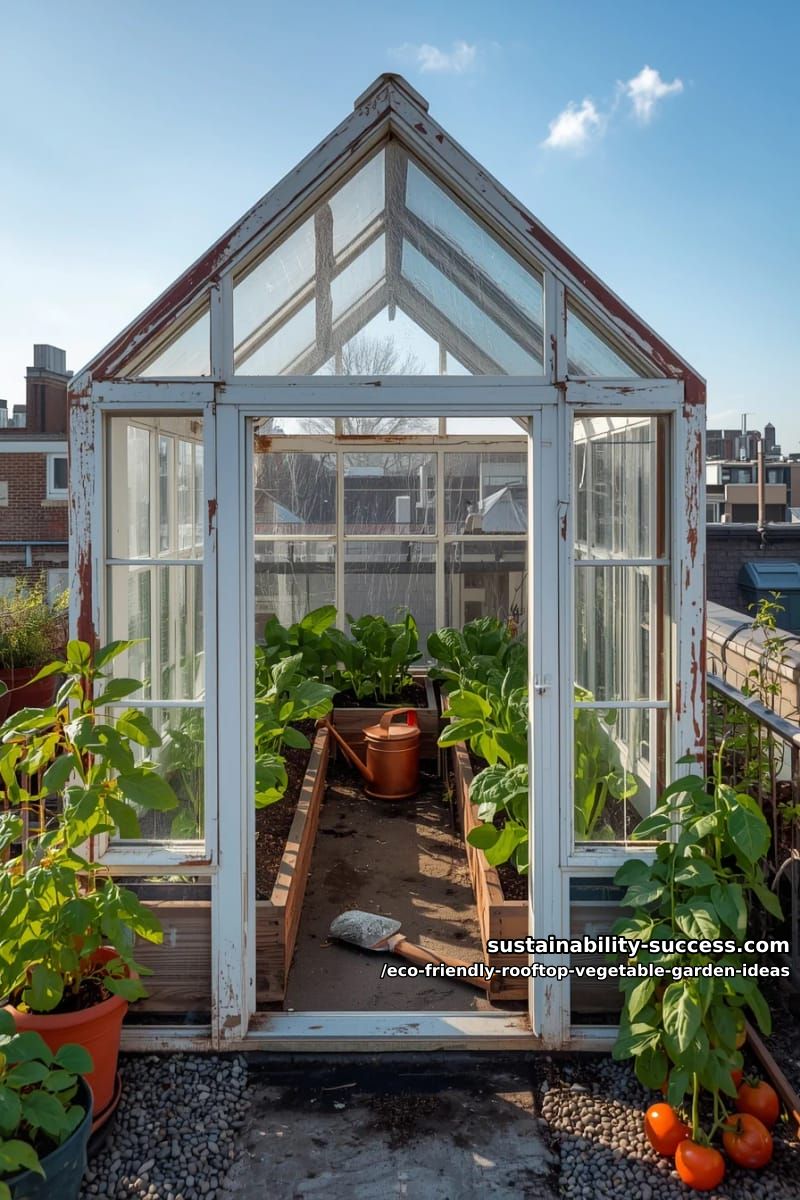
Old windows headed for the landfill can become the bones of a greenhouse nook. Arrange them to shield leafy greens from frost and wind.
Spinach thrives, even in the dead of winter, with just a bit of sunlight and draft protection. Why buy expensive, plastic setups when salvage works wonders?
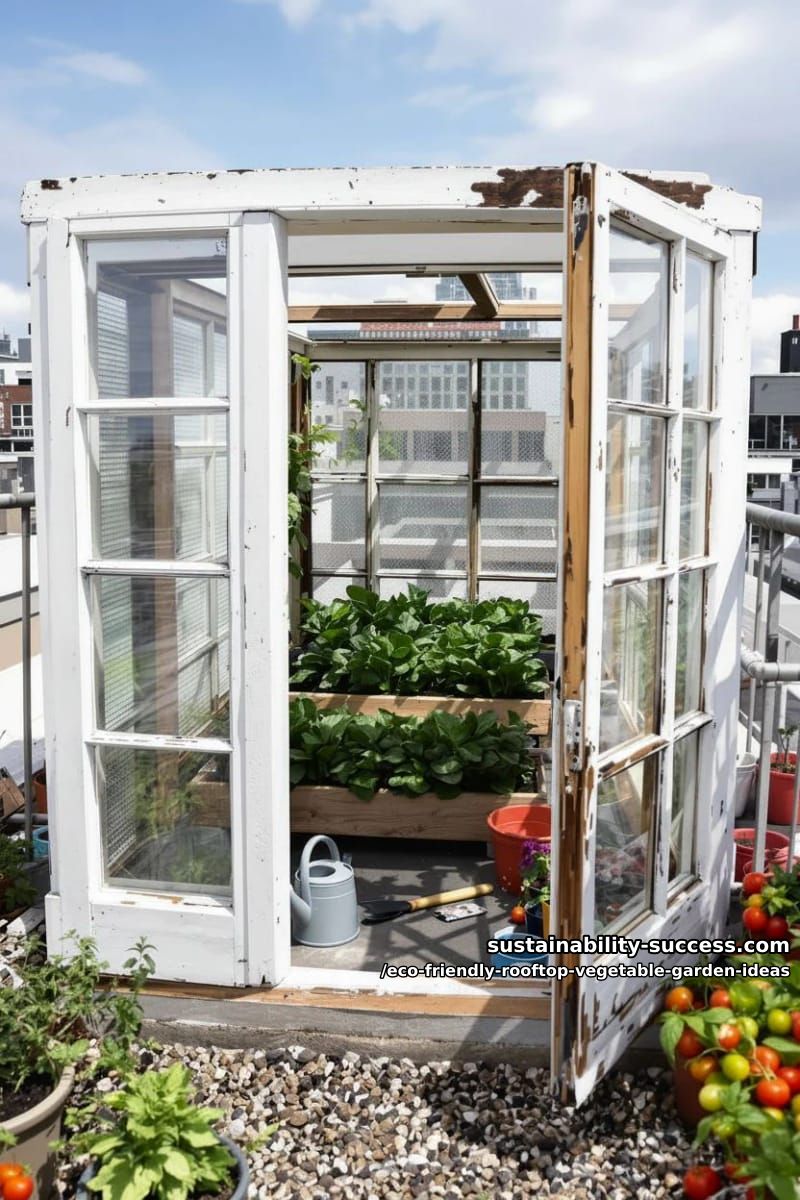
Maintenance is simple, wipe down the glass and check for drafts. If a pane cracks, swap it out with another rescued window. You’ll save money and keep waste out of the dump.
Want spinach year-round? This thrifty, low-tech greenhouse trick makes it possible. Even apartment dwellers can try a mini version.
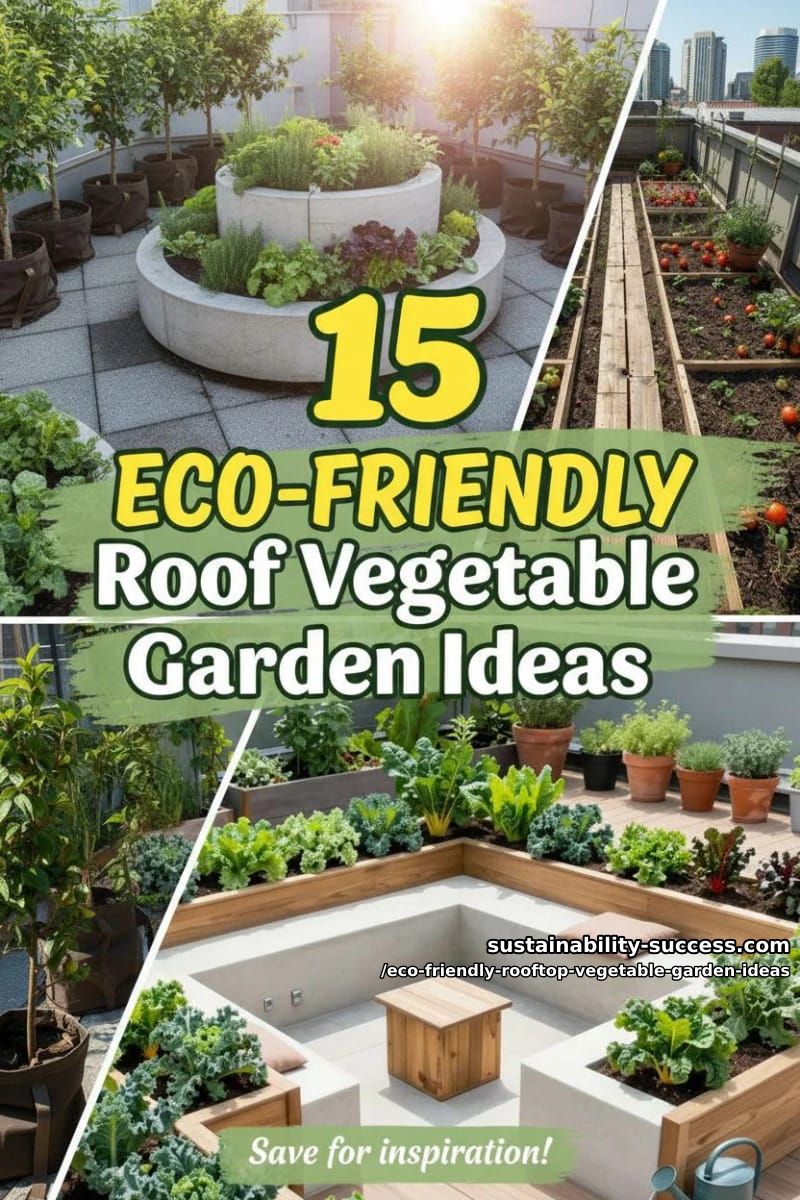
13. Sunken seating area surrounded by lush kale and swiss chard planters
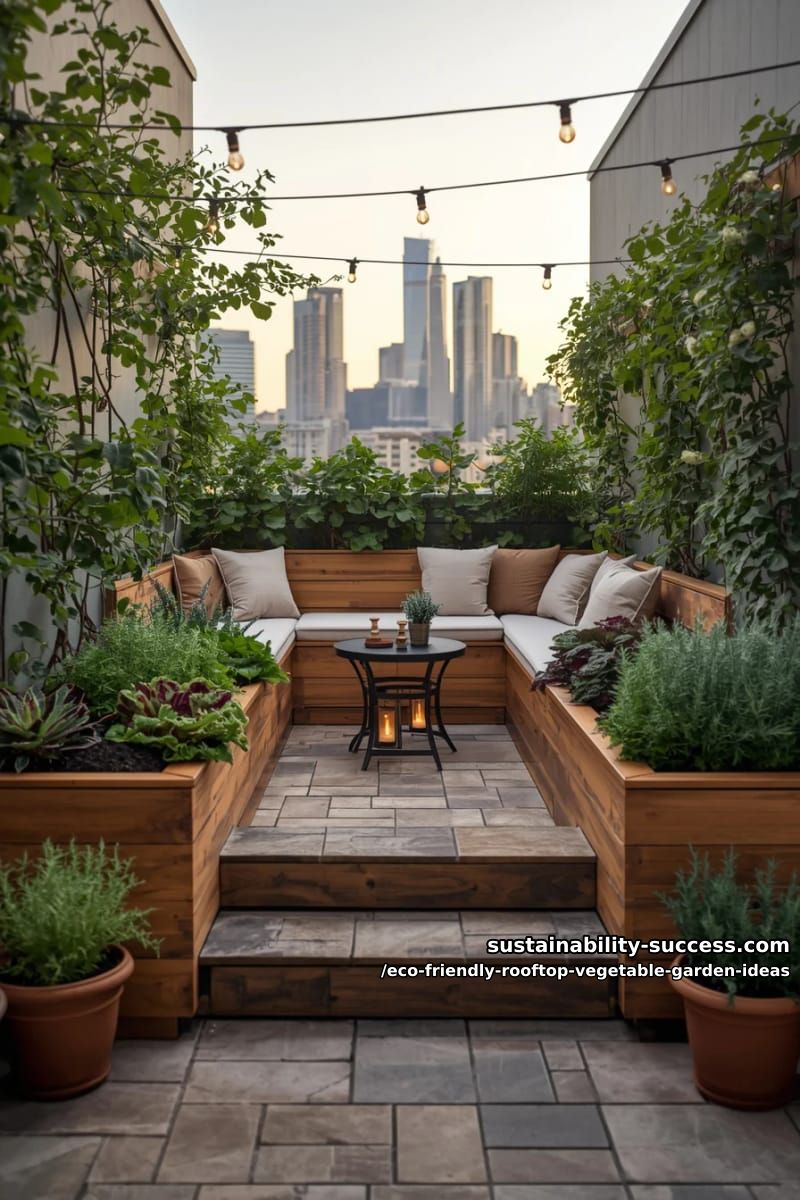
Imagine relaxing in a sunken seating nook, surrounded by vibrant kale and Swiss chard in raised planters. This setup doesn't just save space; it creates a relaxing microclimate.
The plants act as green walls, absorbing sunlight and filtering city dust. Fresh air and fresh greens, what more could you want?
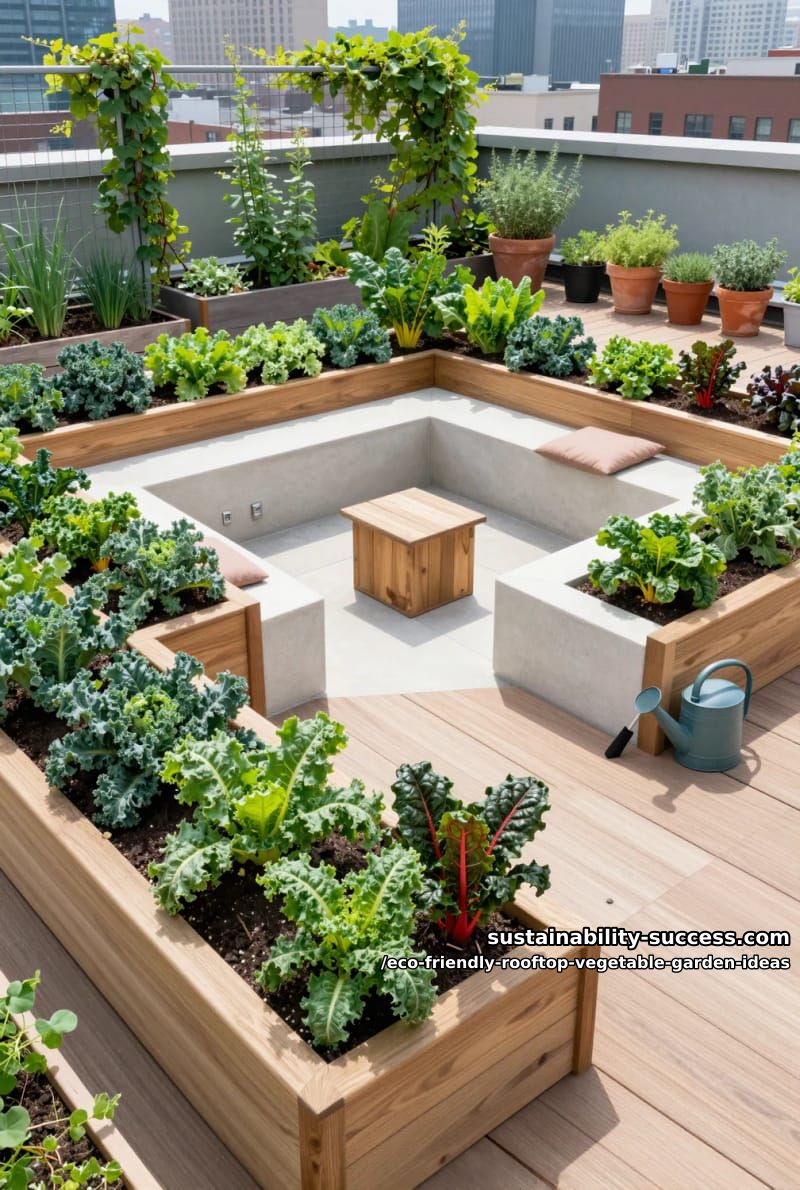
However, proper drainage is key. Without it, those cozy seats may become a soggy mess after rain. Opt for weather-resistant furniture and consider installing a simple irrigation system.
You'll harvest greens within arm’s reach and enjoy an inviting retreat, even in the middle of the city.
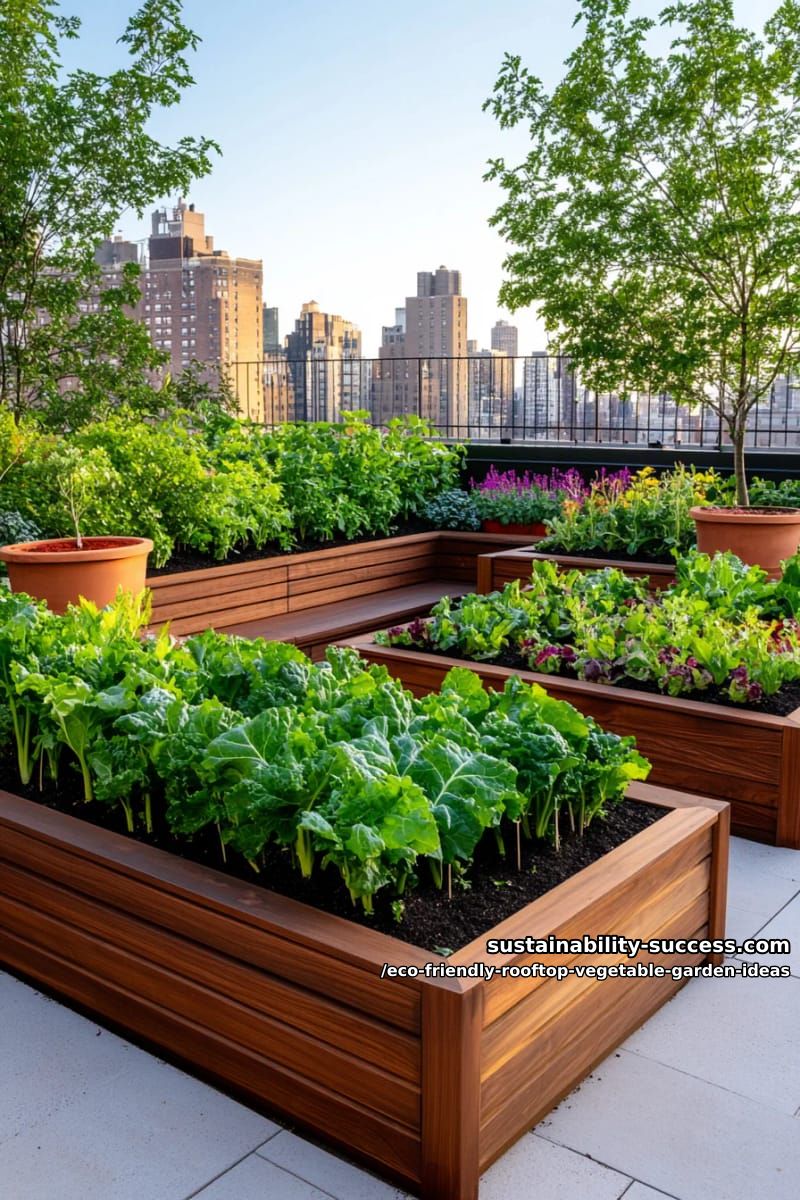
14. Perimeter trellis for climbing beans and cucumbers doubling as privacy screen
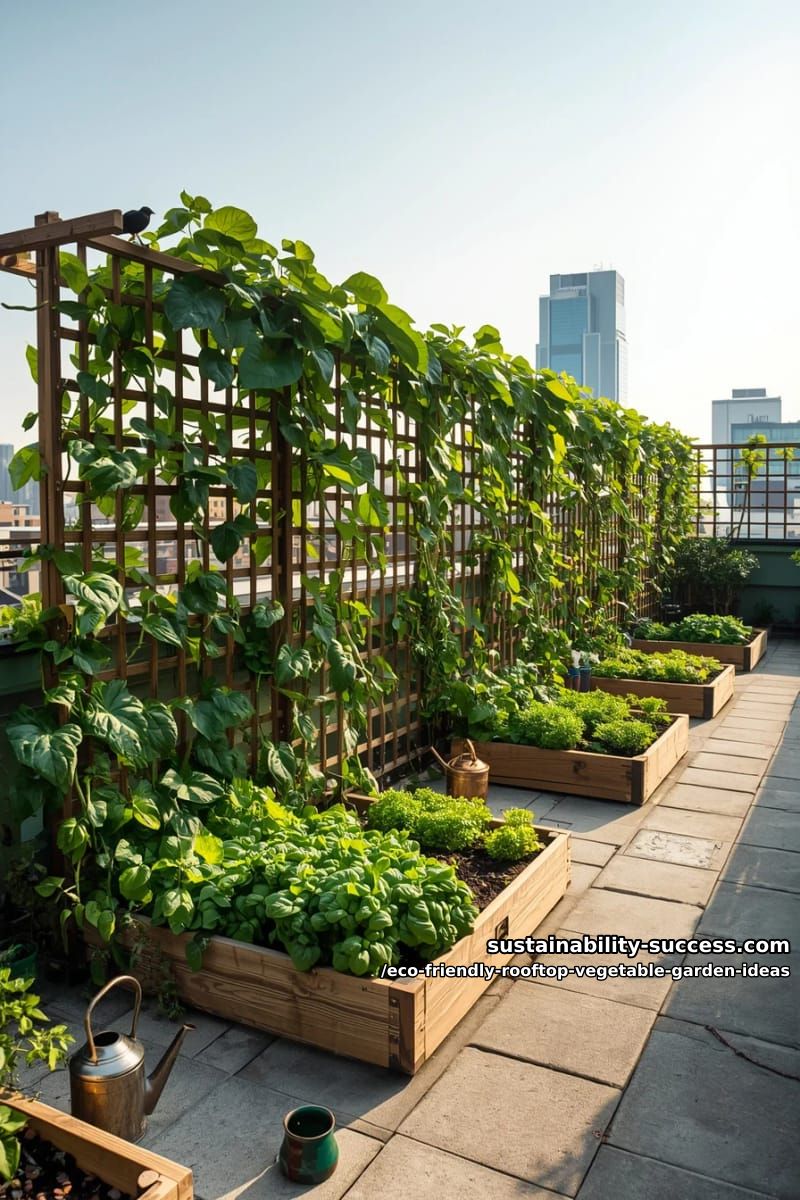
A perimeter trellis serves double duty, supporting climbing beans and cucumbers while creating a living privacy screen. This setup saves space, especially in tight urban areas.
Imagine harvesting crunchy cucumbers with nosy neighbors kept at bay by lush green leaves. Who says practical solutions can’t also be beautiful?
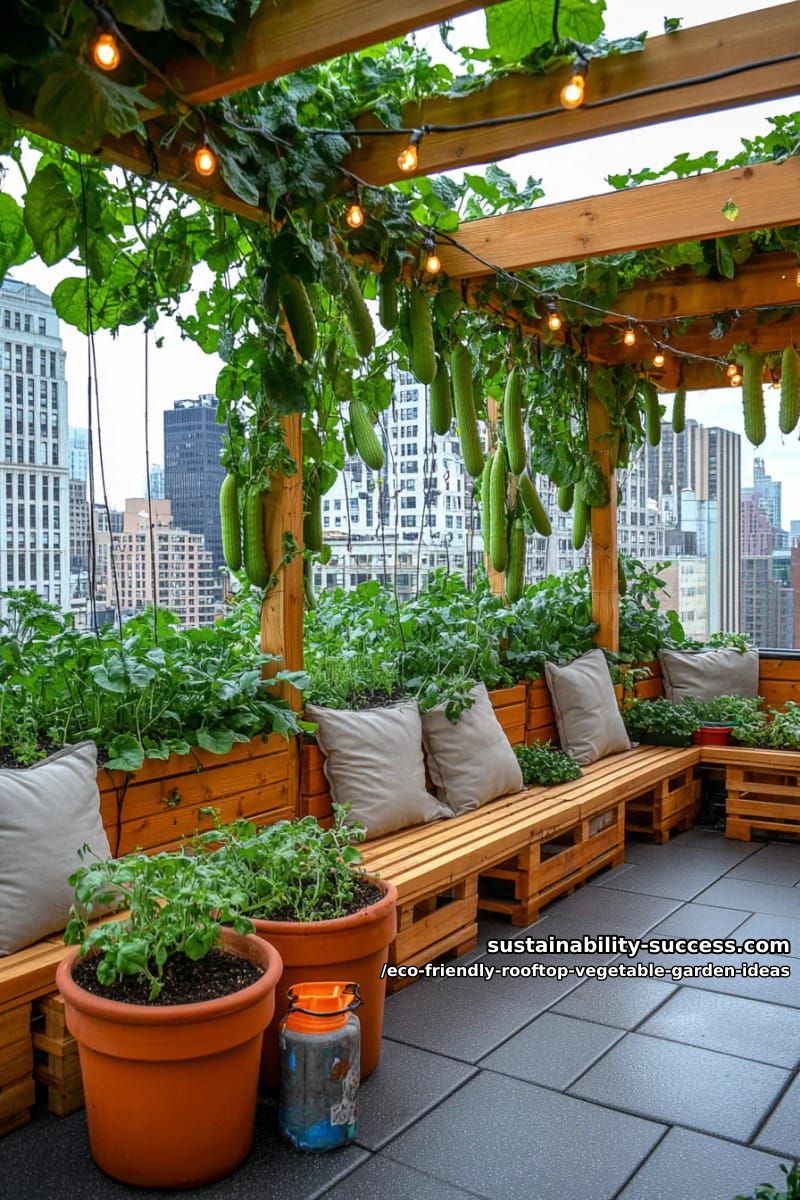
Some trellis materials, like untreated wood or recycled metal, are eco-friendly and durable. However, regular upkeep is required to prevent rot or rust.
Watering can be tricky too, as climbing plants in containers dry out faster. Still, the rewards, fresh produce and extra privacy, are well worth the effort.
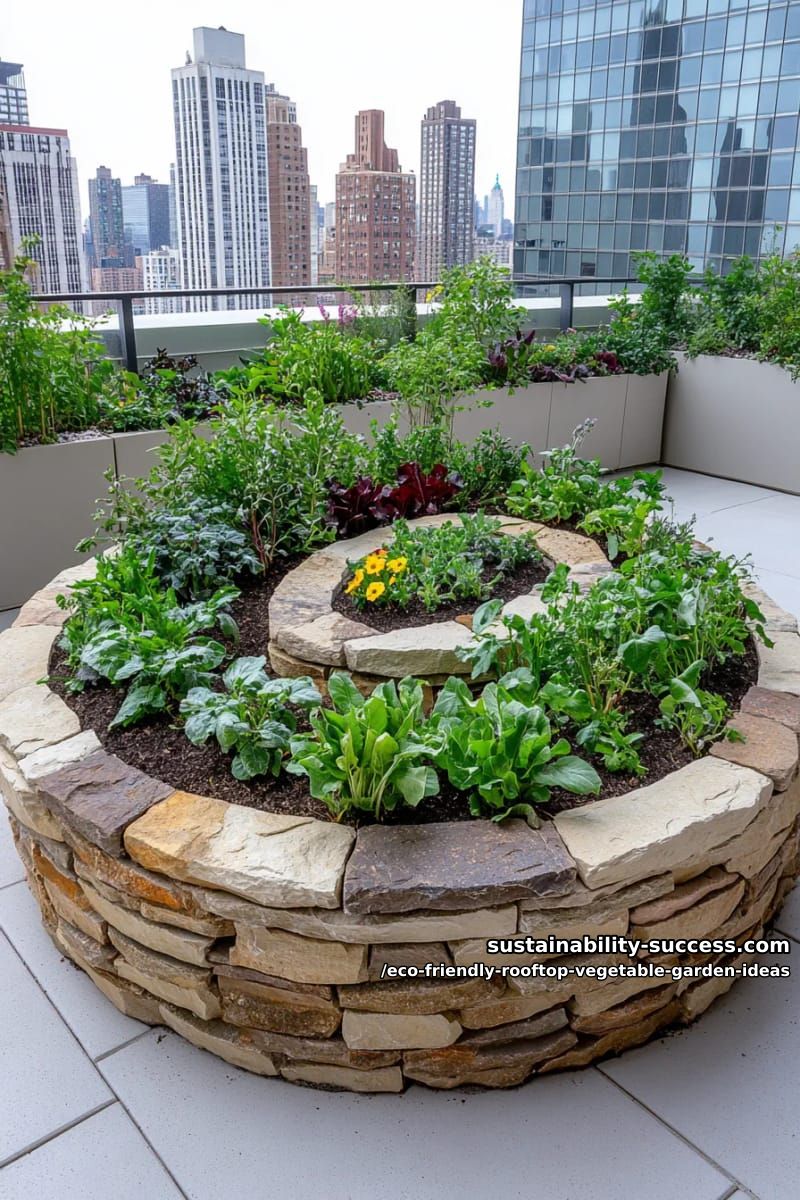
15. Rooftop spiral garden centerpiece using stones and native edible plants
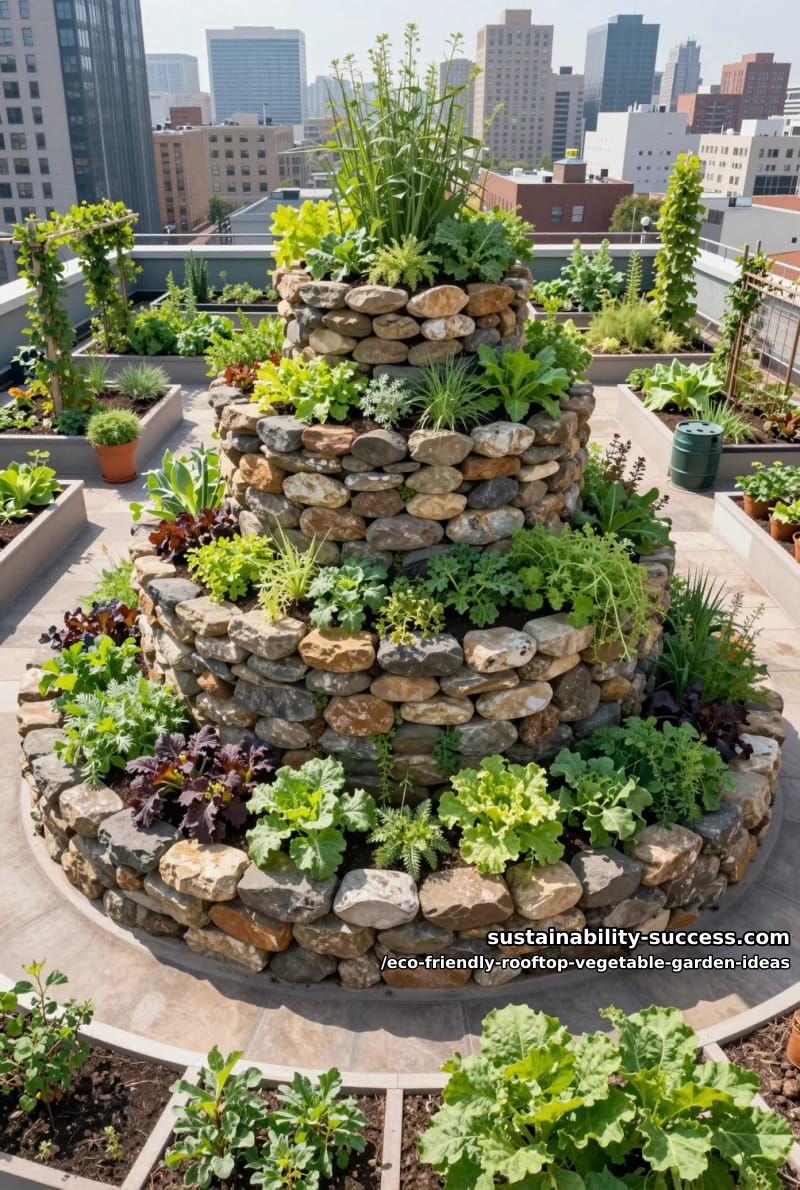
Imagine a rooftop spiral garden built with recycled stones, eye-catching, practical, and sustainable. This space-saving design lets you grow native edible plants in layers, each one capturing water as it trickles down.
Herbs like wild garlic or native strawberries thrive here, needing less maintenance and fitting beautifully into small urban footprints.
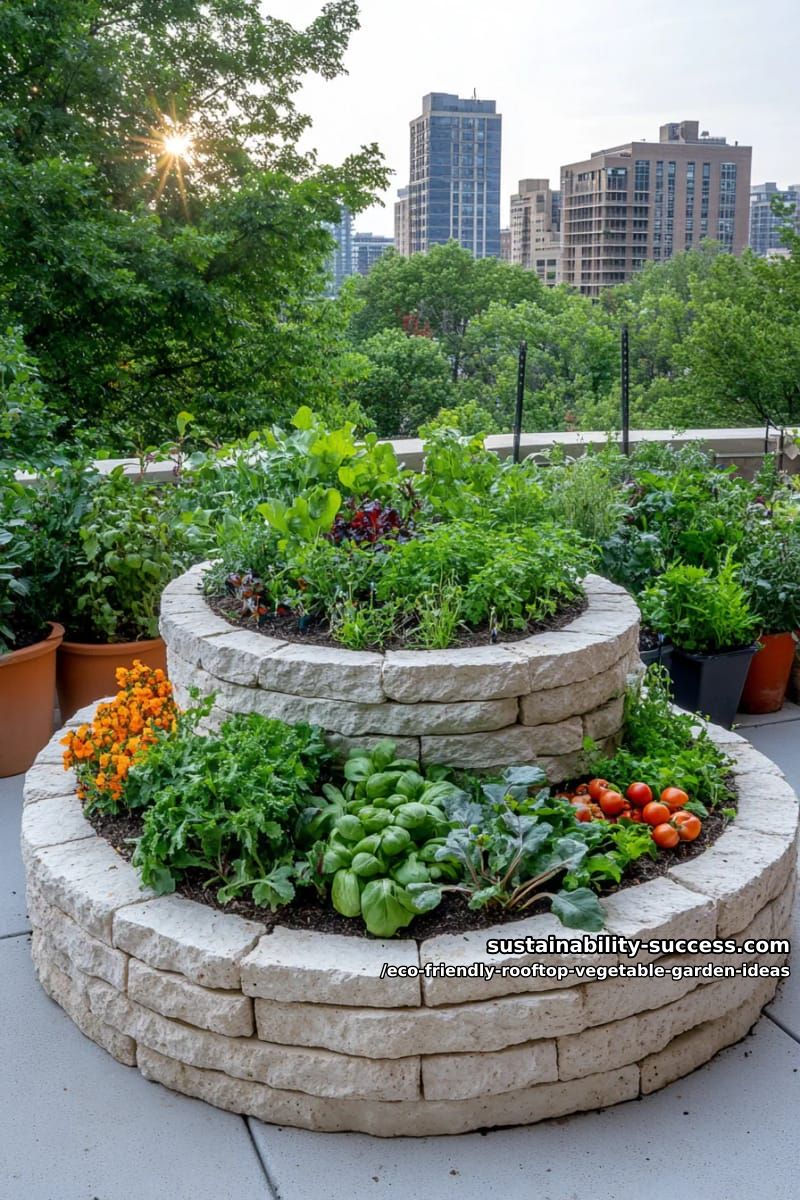
Maintenance is a breeze since native plants adapt well to local weather and pests. Plus, the spiral shape means less bending over to harvest.
Sounds good? Start by mapping a simple spiral, stacking stones for structure, and planting drought-tolerant edibles up top, with thirstier varieties below. Let nature do the rest.
Conclusion
Bringing these eco-friendly rooftop vegetable garden ideas to life doesn’t just help the environment; it also puts fresh produce right outside your door.
Why buy tasteless supermarket greens when you can snip basil or lettuce while watering your tomatoes?
Try mixing upcycled containers, rainwater systems, and vertical gardens. Start small, learn from each attempt, and watch your rooftop transform.
Who says city living can’t be green? Give these ideas a try, your plate, wallet, and planet will thank you.
Related Posts
- Sustainable Garden Decor Ideas
- Eco-Friendly Herb Garden Ideas
- Spring Small Space Sustainable Garden Decor
- Eco-Friendly Garden Art
- Upcycled Garden Ideas