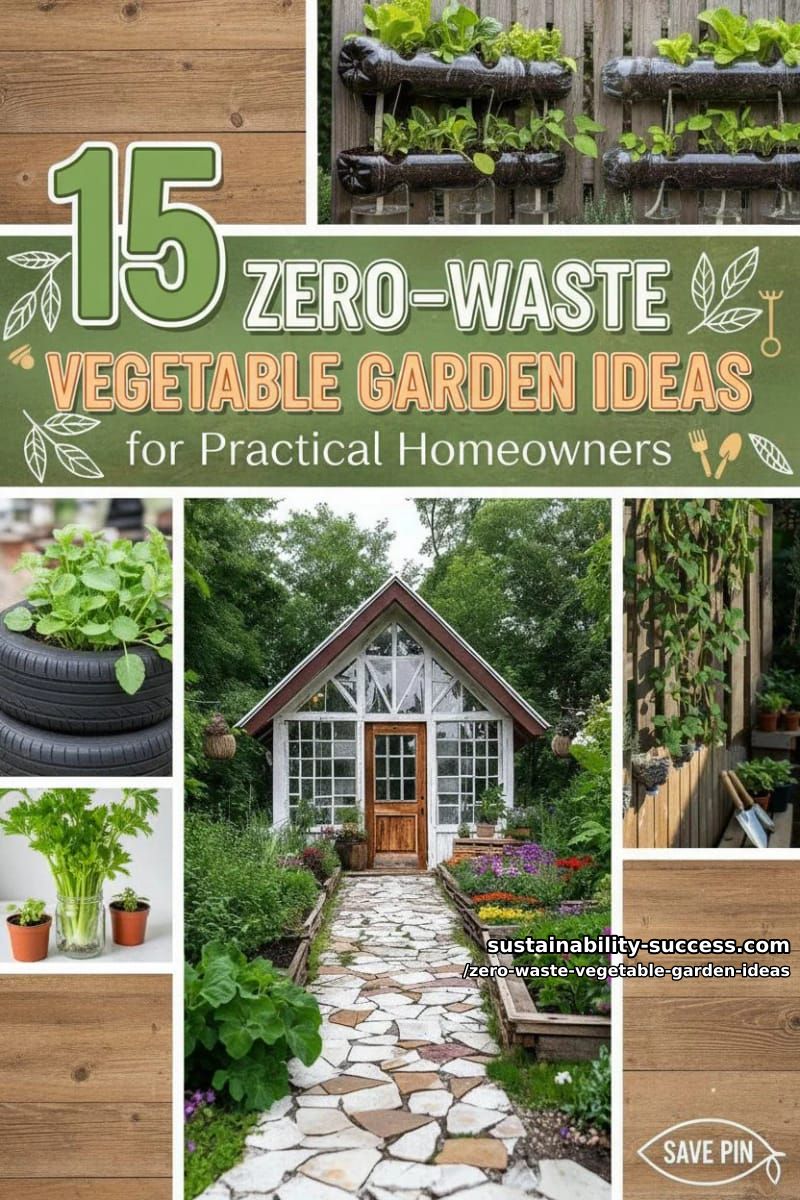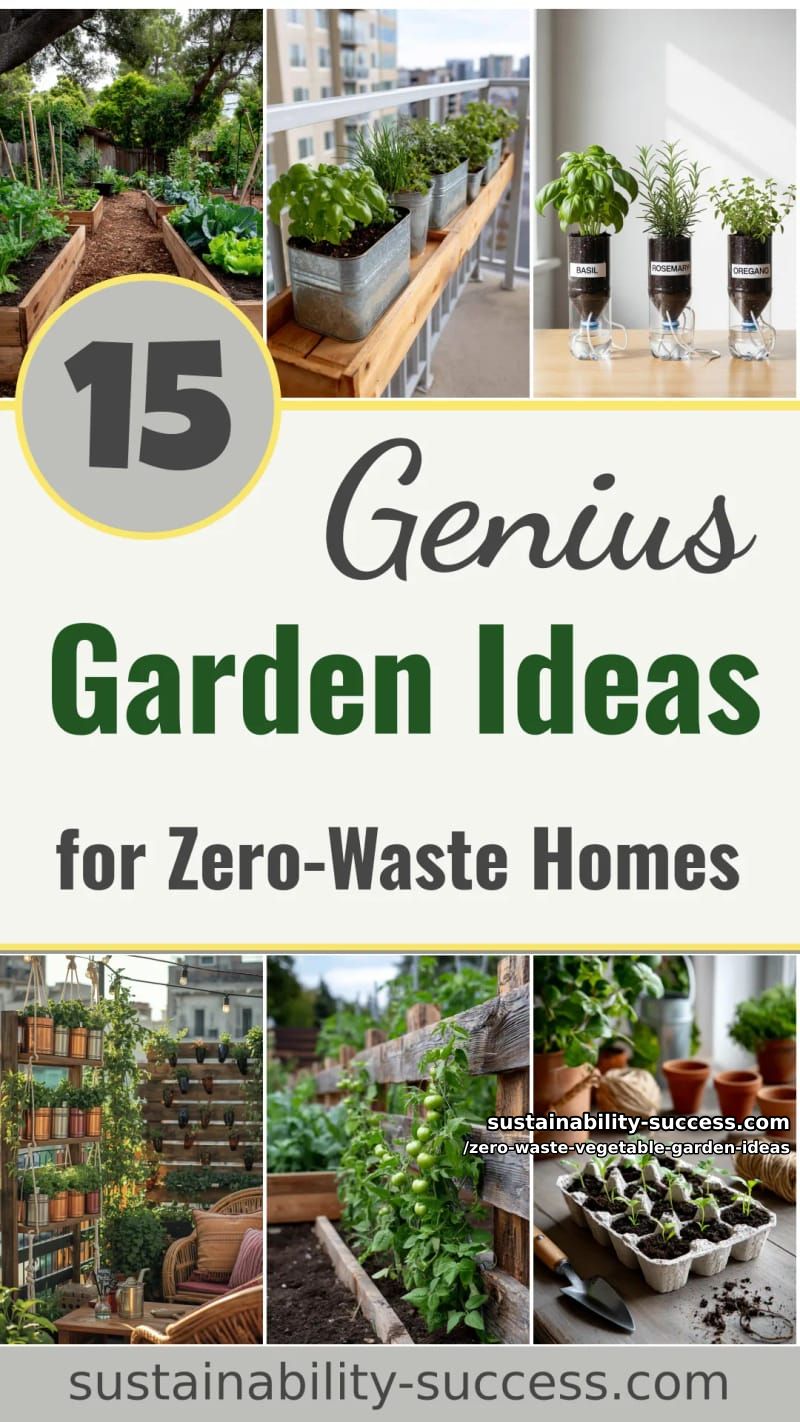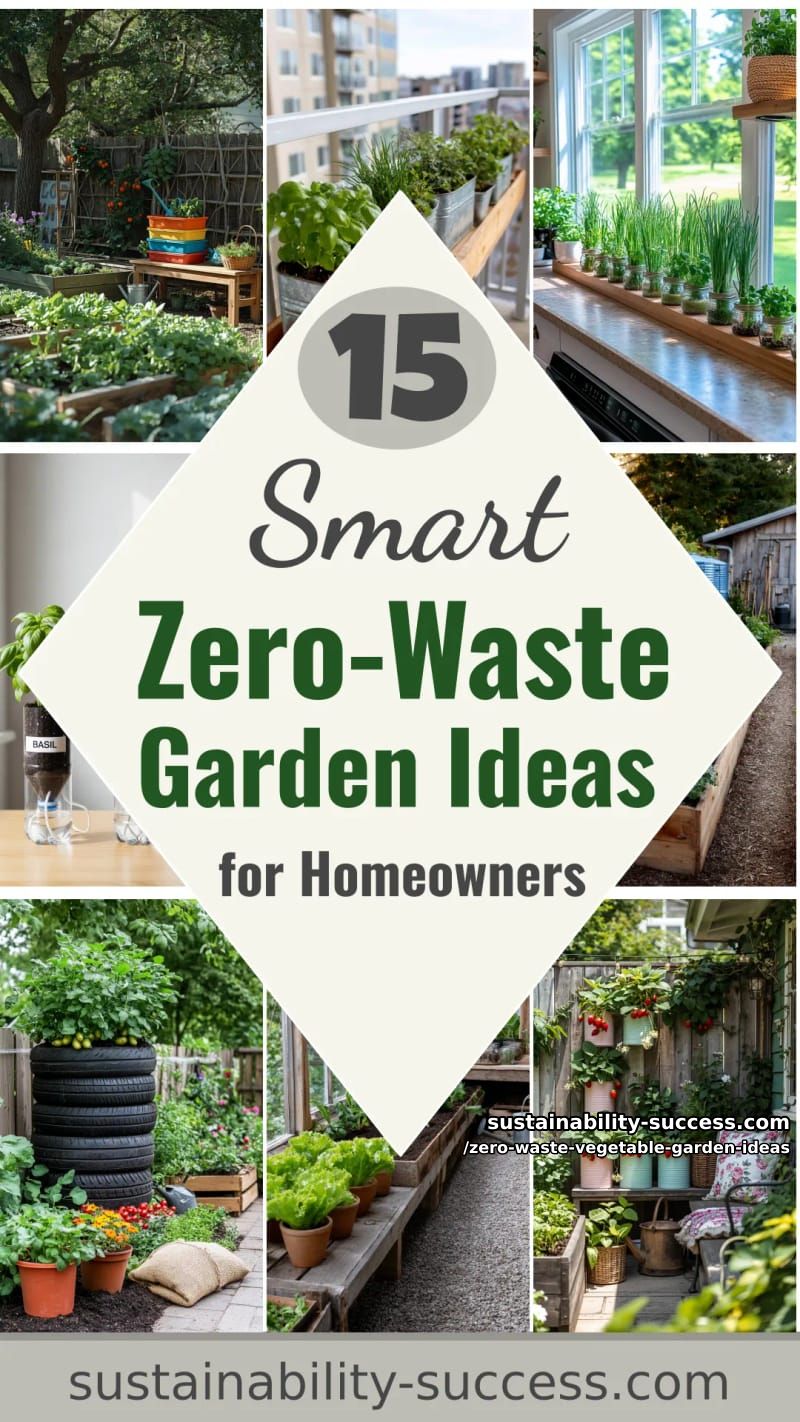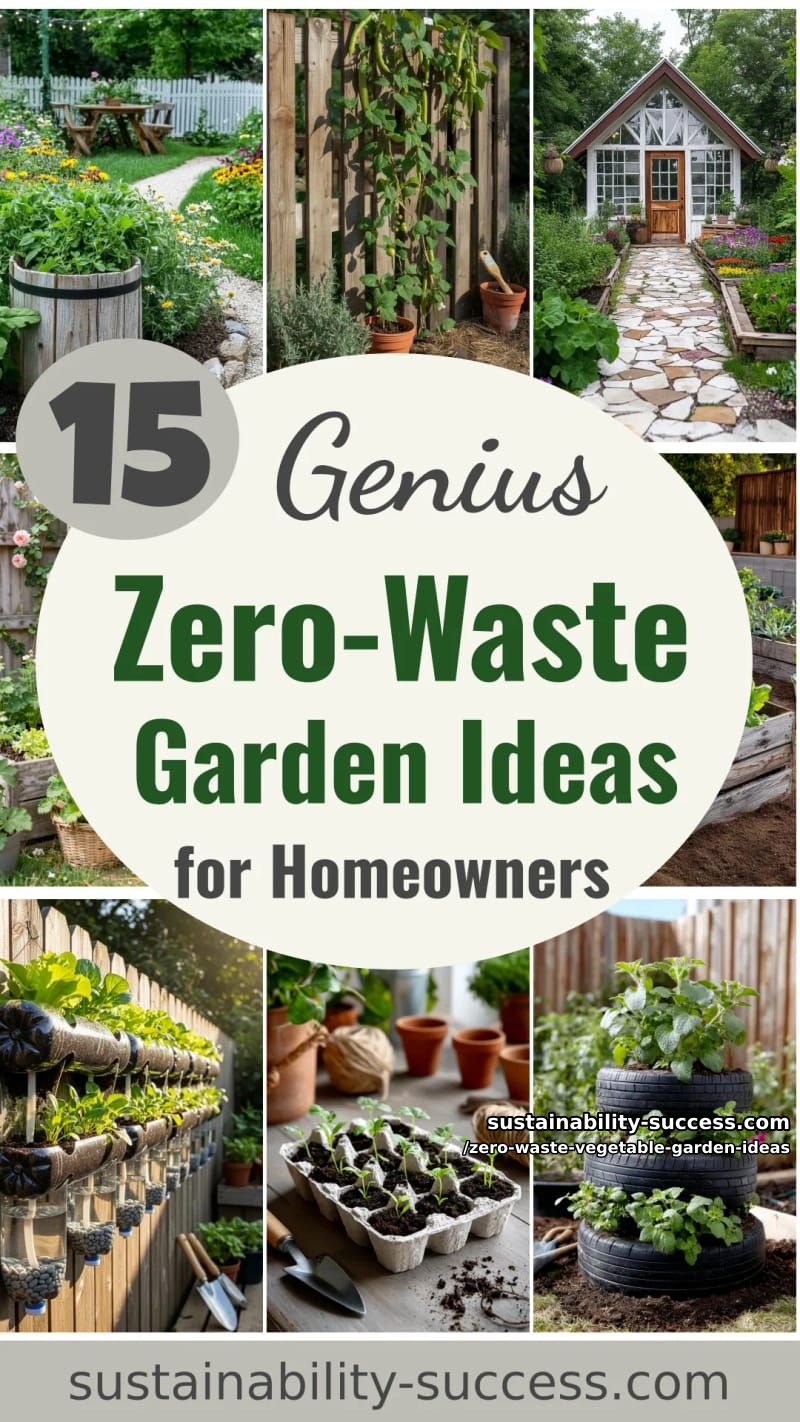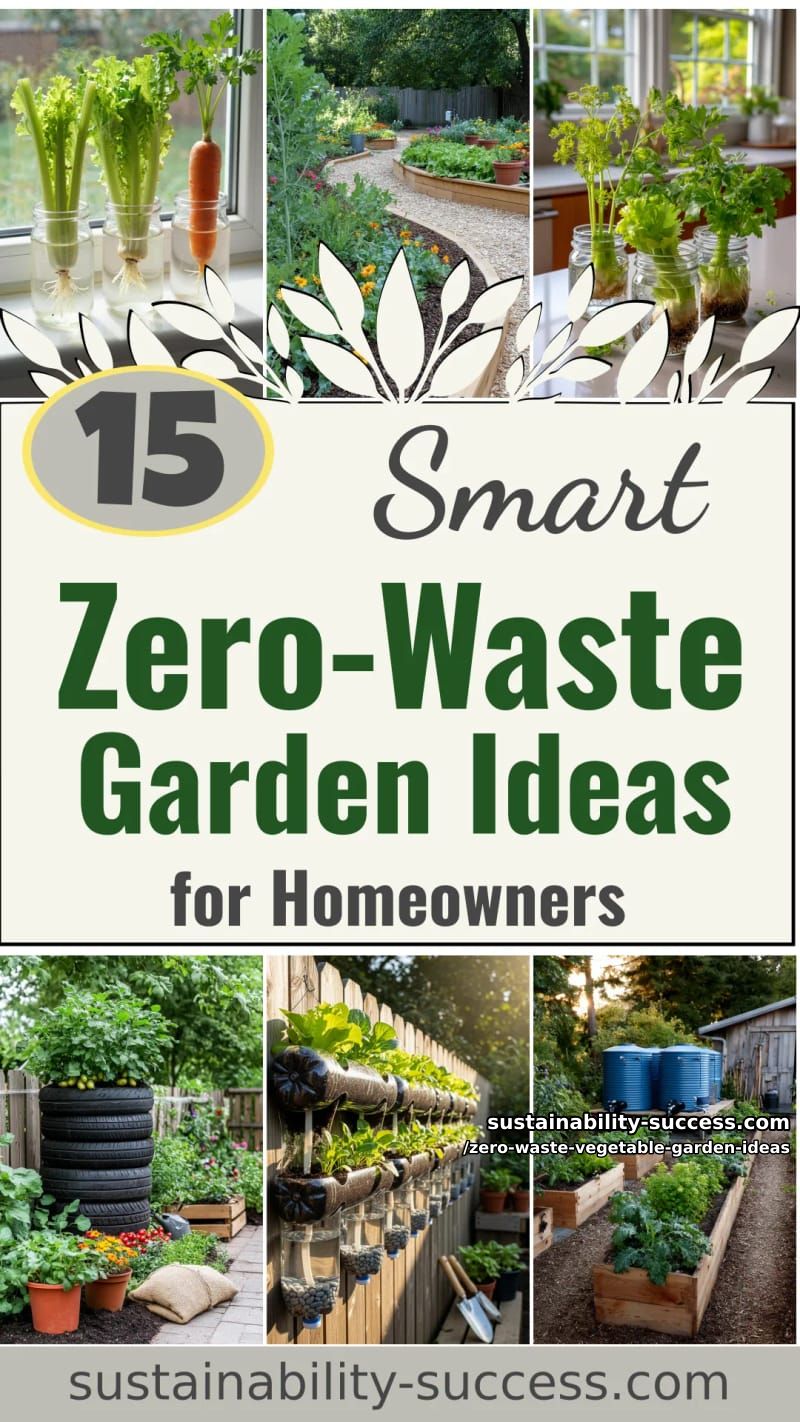
Ever stared at your vegetable peels and wondered if there’s a smarter use than tossing them out? Imagine turning kitchen scraps, old tires, and empty bottles into a thriving green patch.
Waste becomes opportunity, and your garden flourishes while your trash shrinks.
Growing food with less waste isn’t just good for the planet, it saves money and sparks creativity.
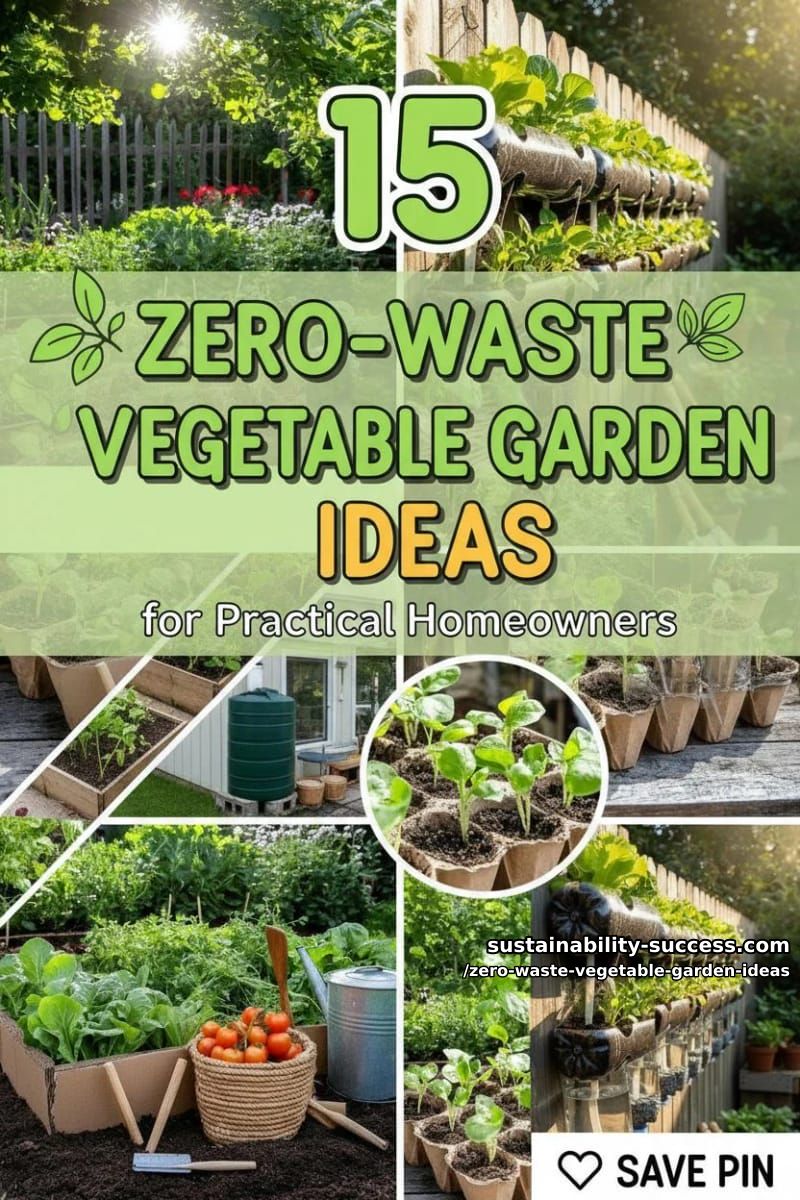
Why buy fancy planters when you’ve got an egg carton? Each trick in this guide works in small spaces and big yards alike. Ready to dig in and get your hands dirty?
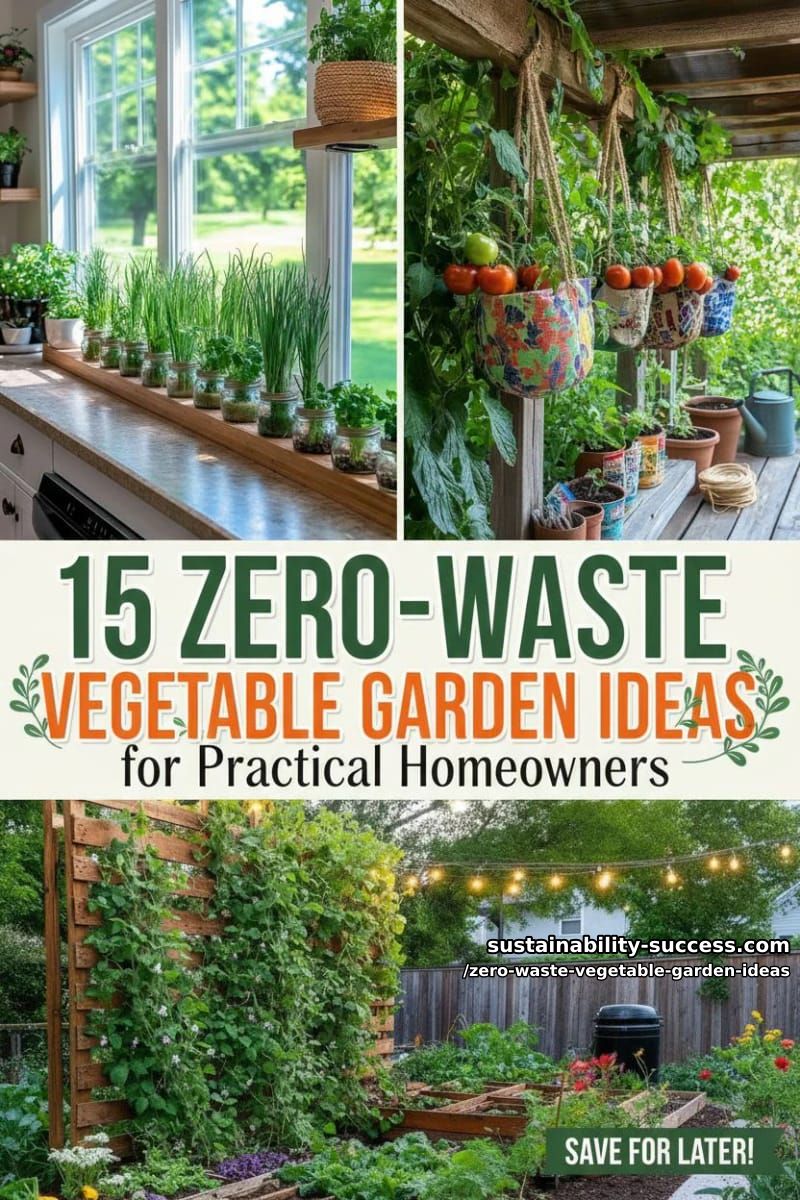
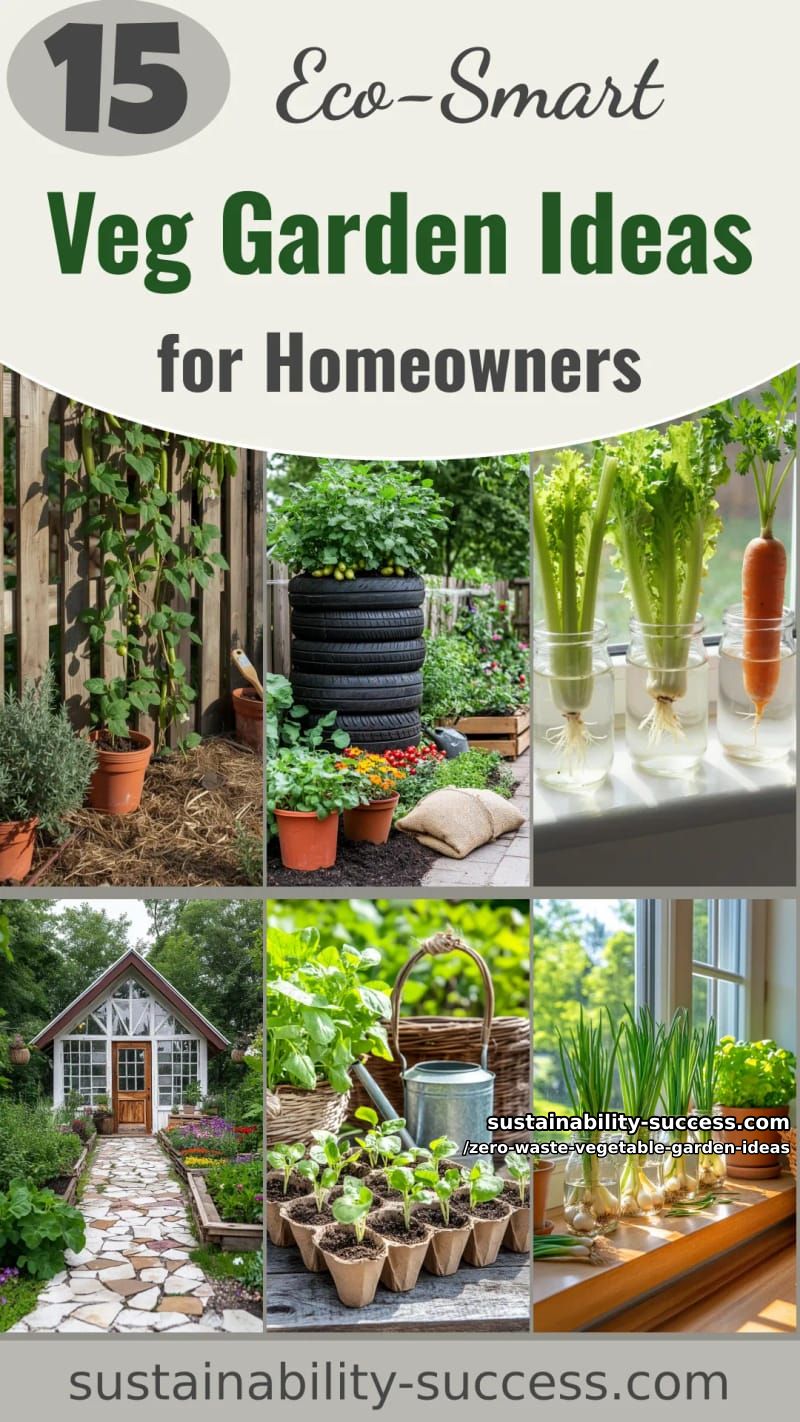
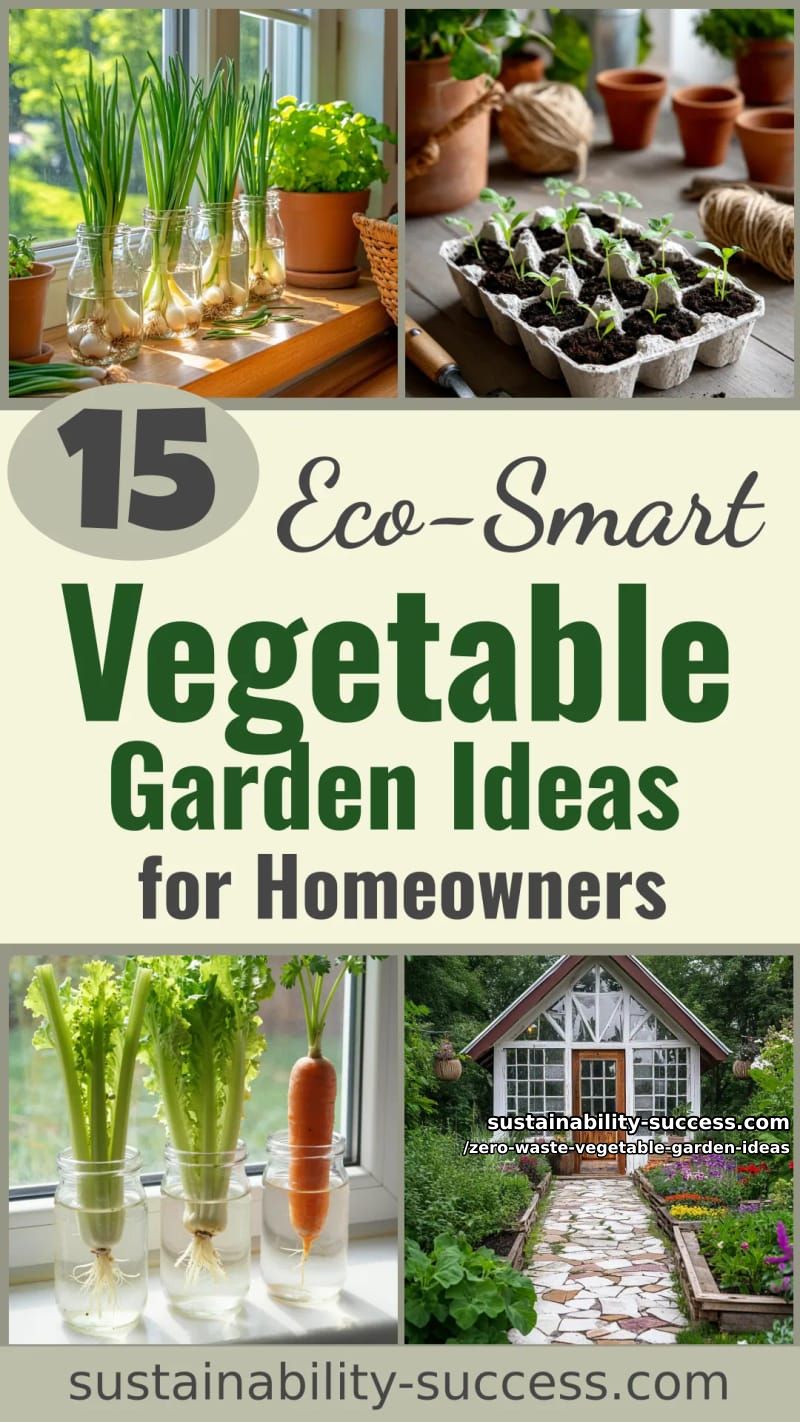
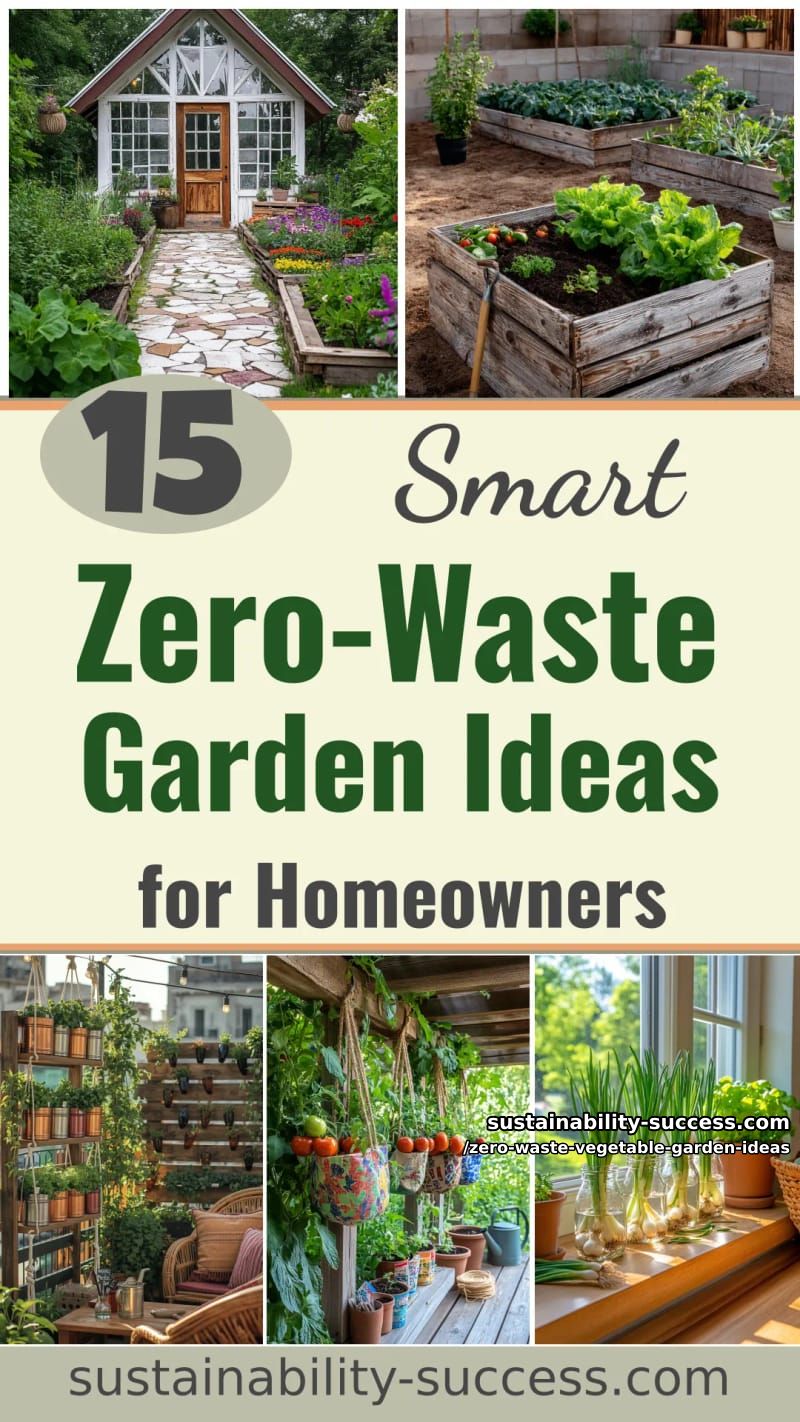
1. Regrow green onions in recycled glass jars on your kitchen windowsill
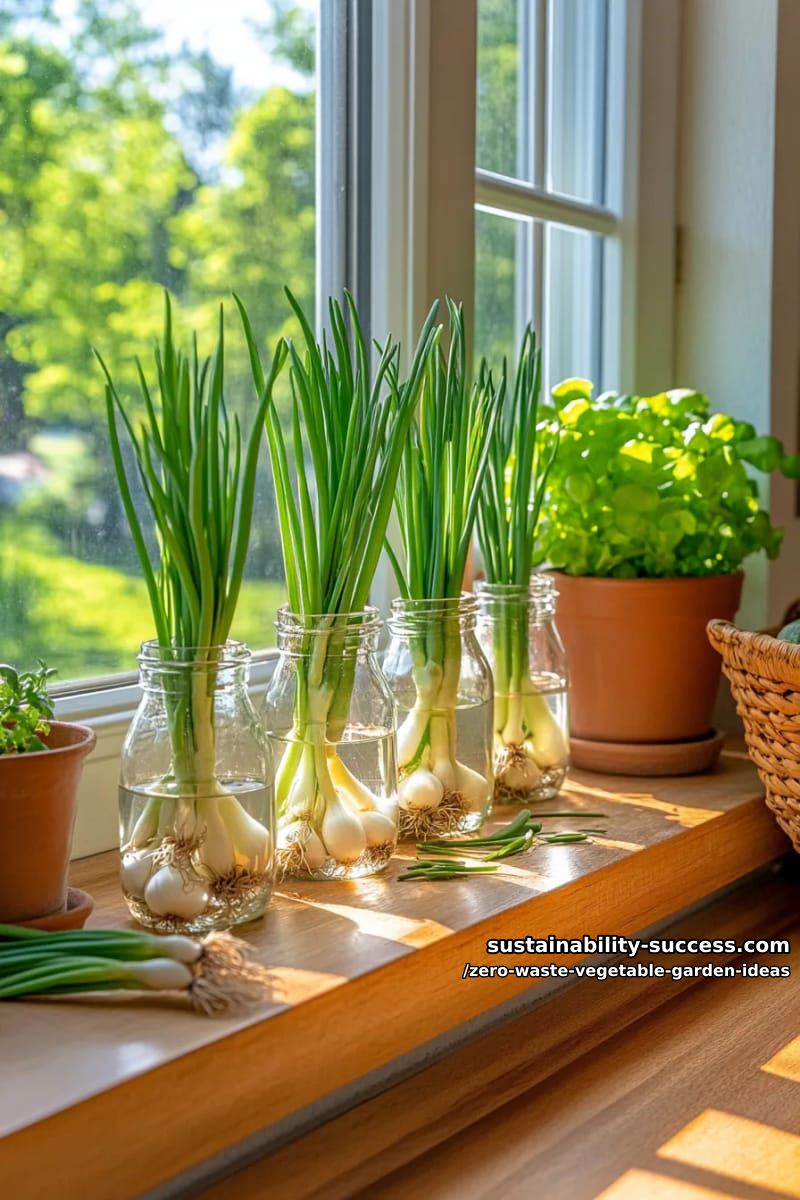
Green onions hardly ever get the applause they deserve. Snip off what you need for dinner, then plant the white roots in a glass jar with a splash of water.
Set it on your kitchen windowsill. Within days, fresh shoots appear, saving grocery money and reducing food waste.
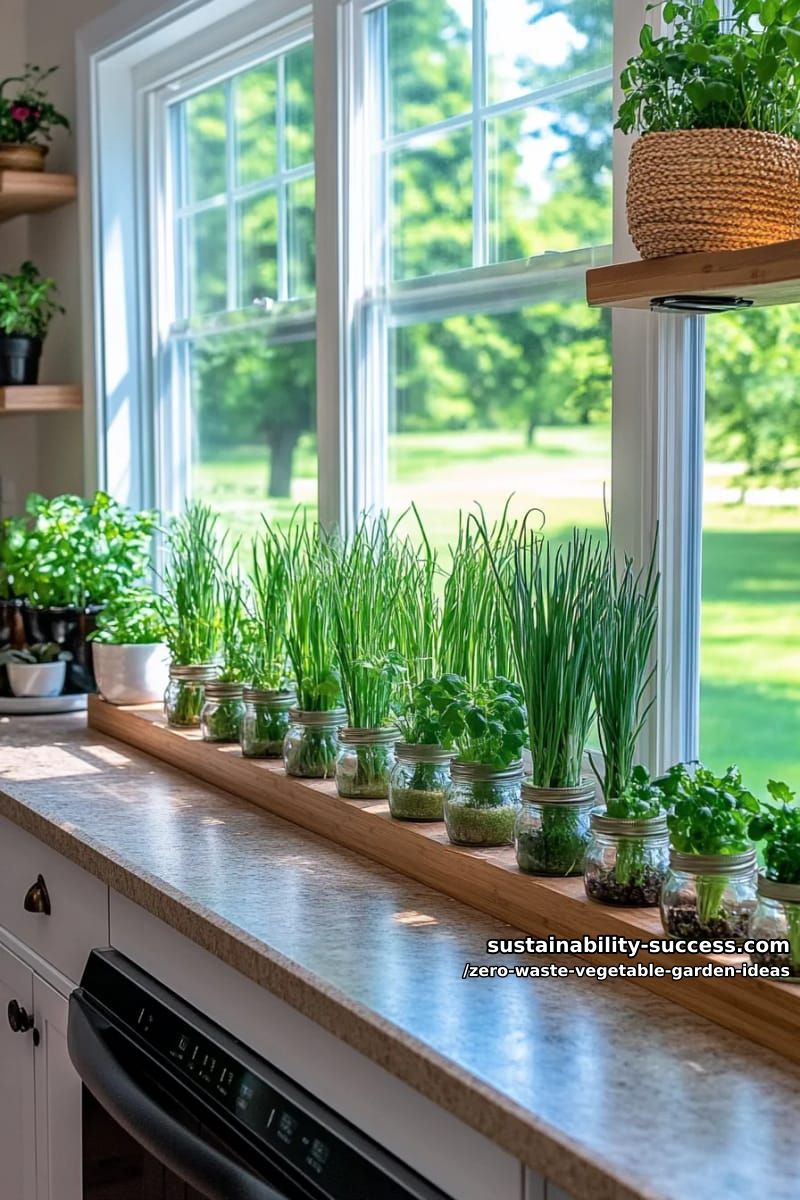
This method is almost foolproof, but remember to change the water every few days or you’ll end up with a swampy mess.
It’s a small act with big impact: less plastic packaging, fewer trips to the store, and a little green boost right where you make your meals.
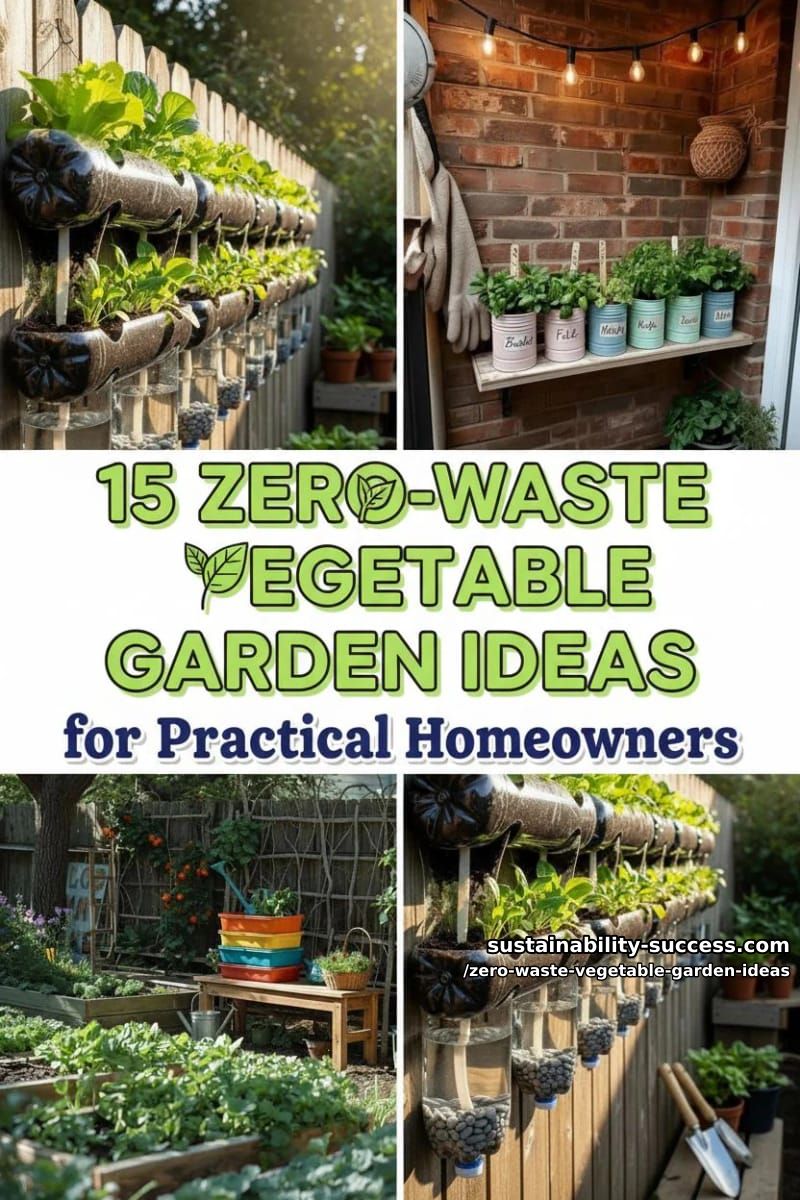
2. Transform plastic bottles into self-watering planters for leafy greens
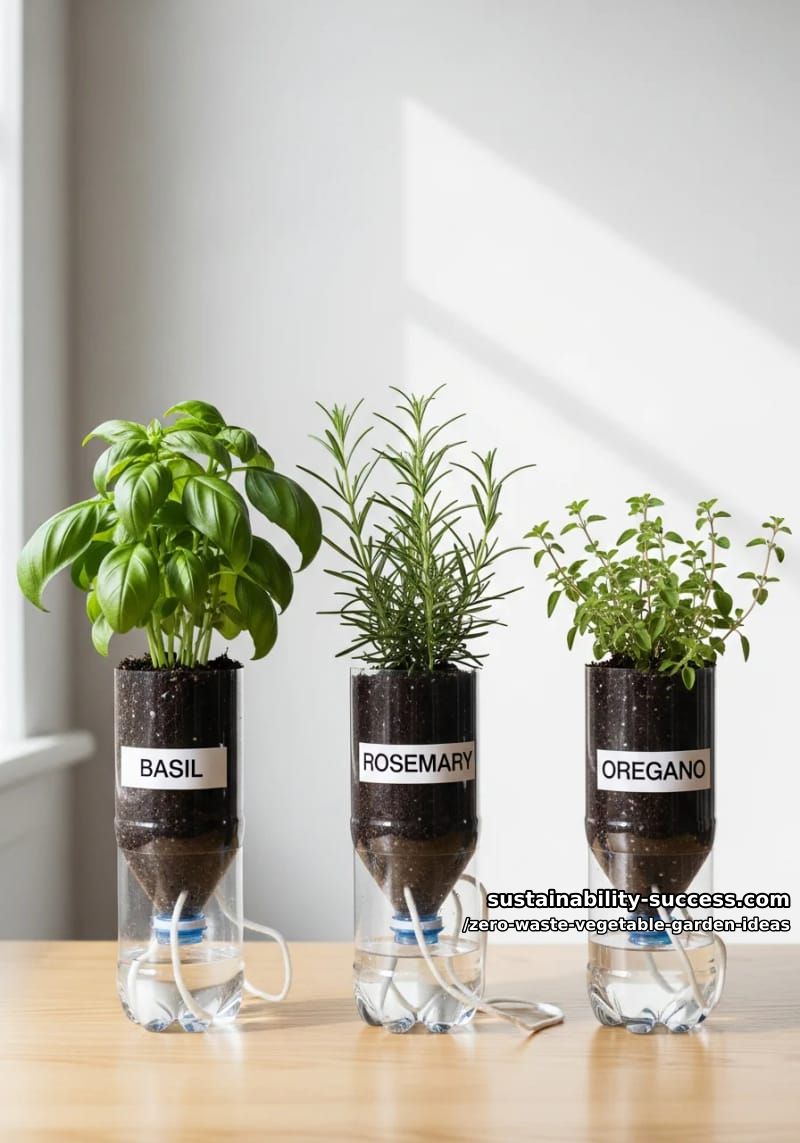
Old plastic bottles don’t have to end up in the bin. Snip a bottle in half, insert a wick, add water below and soil above.
This setup keeps leafy greens hydrated, using less water and preventing waste. Imagine a salad growing on your windowsill, with yesterday’s soda bottle as its home.
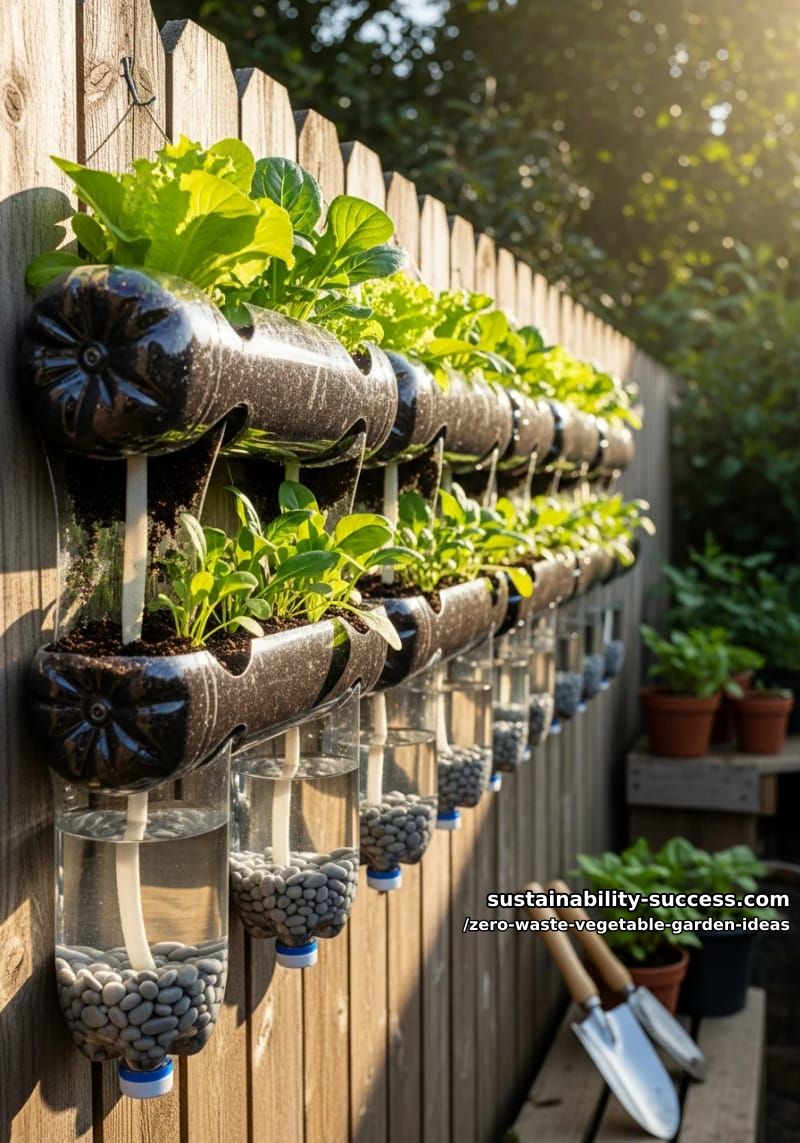
Self-watering planters made from bottles aren’t flawless. Larger plants need more support and deeper roots. But for lettuce or spinach, this trick saves space and recycles plastic.
It’s cheap, easy, and cuts down on both watering chores and single-use plastics, where’s the downside?
3. Compost kitchen scraps in a DIY bin made from wooden pallets
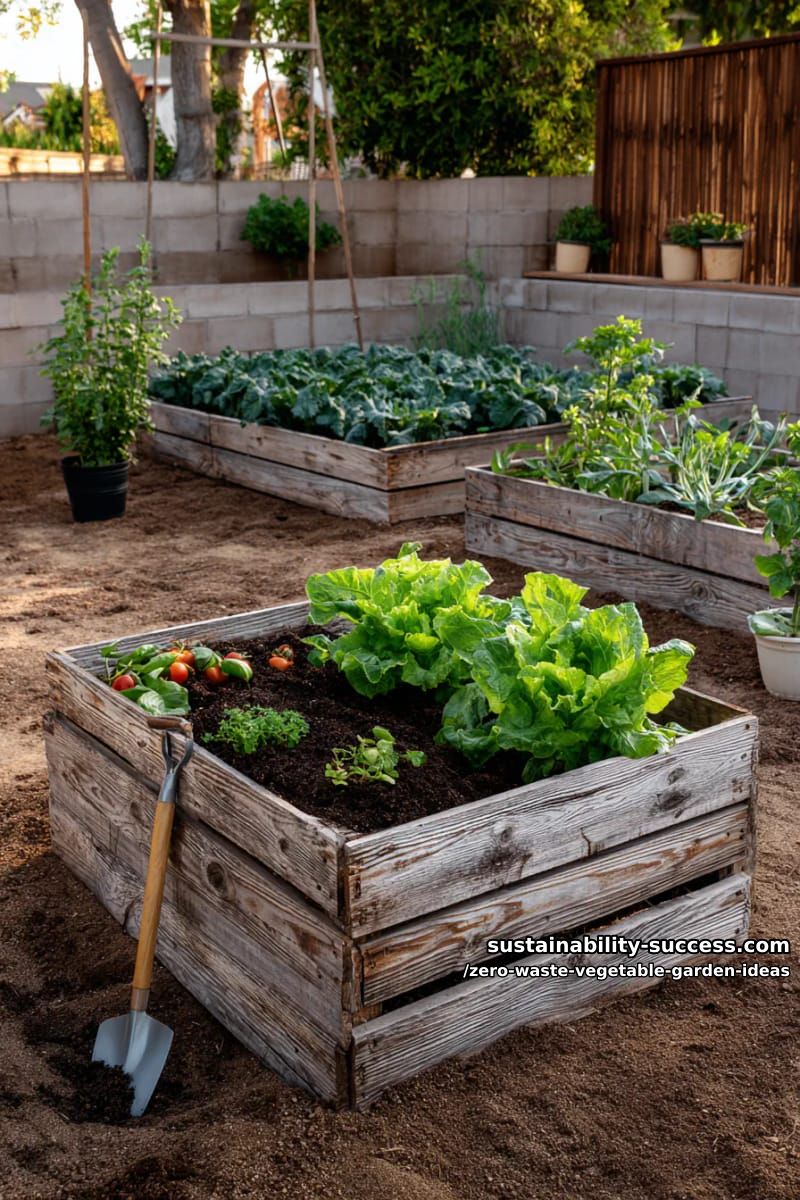
Composting kitchen scraps in a bin built from wooden pallets is both practical and budget-friendly. Pallets are often free, just ask at grocery stores or warehouses.
Line them up to create an airy, sturdy box. Toss in vegetable peels, coffee grounds, and eggshells, then turn the pile weekly.
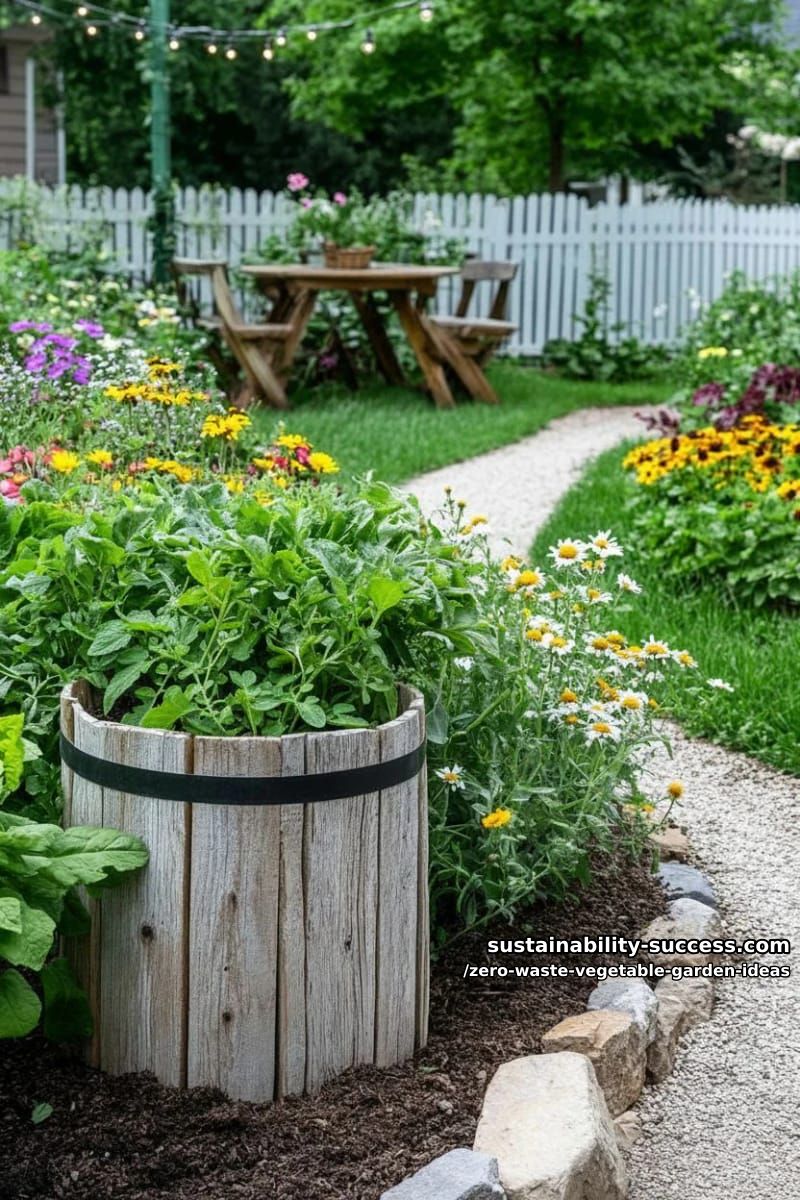
This process keeps food waste out of landfills and produces nutrient-rich compost for your garden beds. It’s not glamorous, but your plants will love it. Avoid adding meat or dairy, they attract pests.
With a little effort, you turn yesterday’s dinner scraps into tomorrow’s healthy harvest.
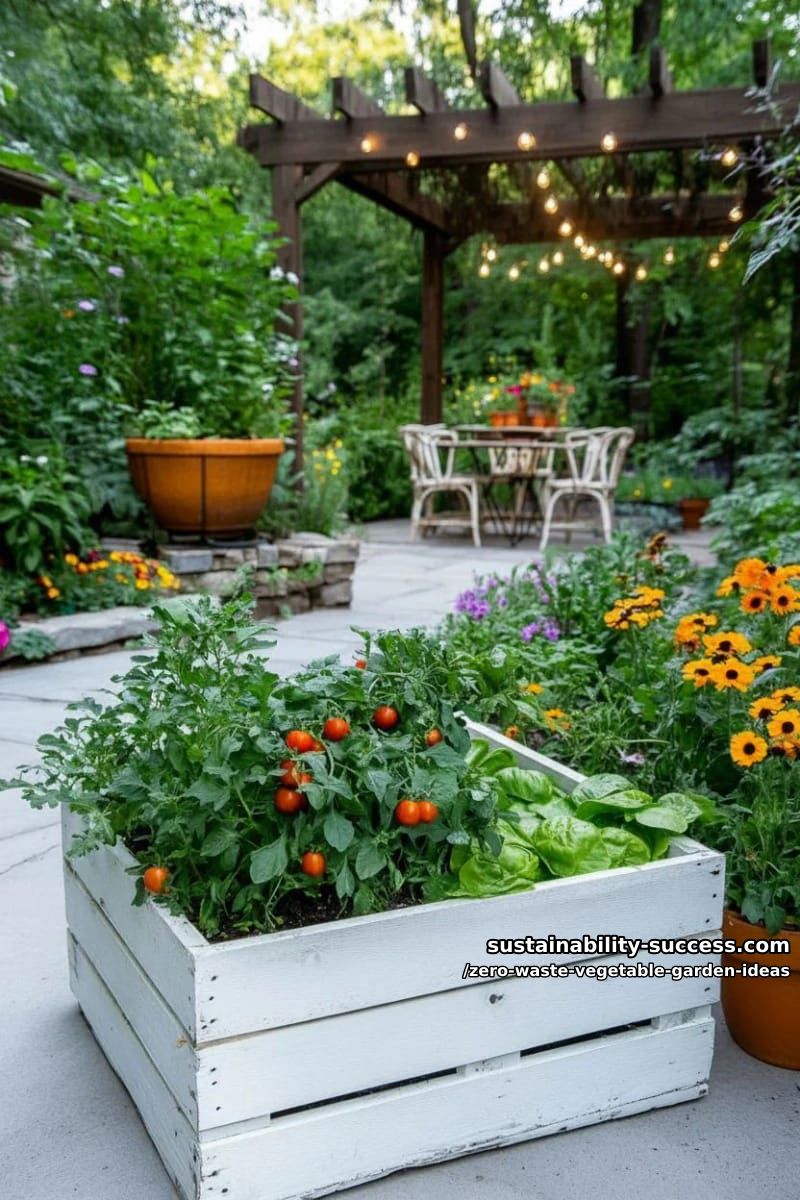
4. Stack old tires to build a vertical potato tower in your backyard
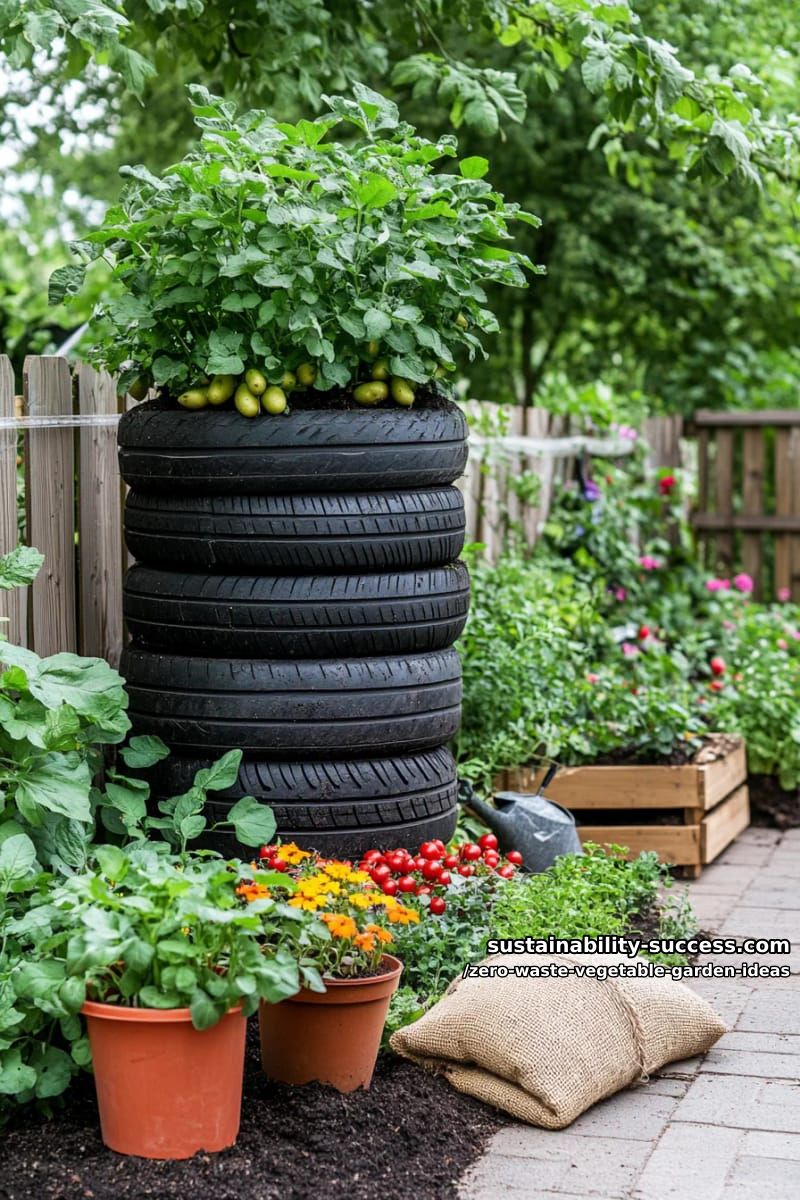
Stacking old tires to build a vertical potato tower offers a smart way to grow food in tight spaces.
It’s as simple as filling each tire with soil, setting seed potatoes, and adding another tire as the plants grow. This method maximizes your harvest while reusing materials often headed for the landfill.
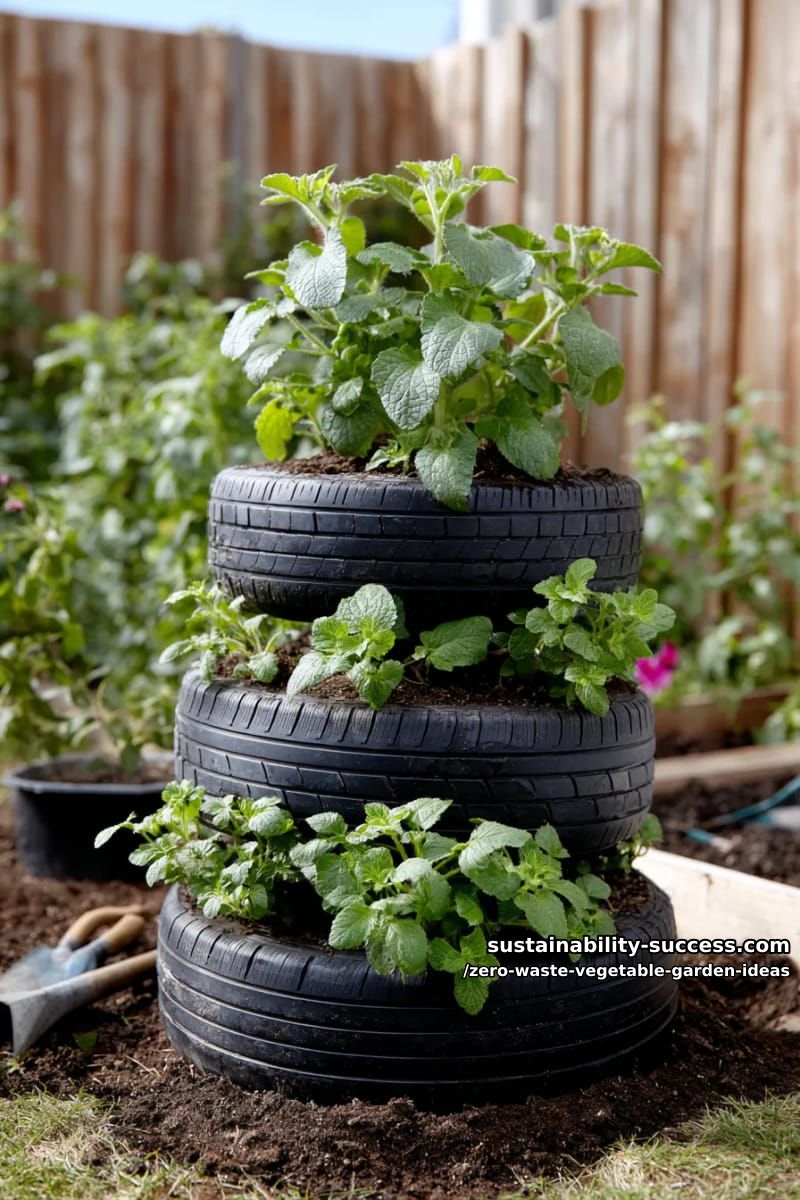
Still, consider potential concerns about chemicals leaching from tires, especially if you plan to eat what you grow.
Line them with heavy-duty food-safe plastic, or choose tires in the best condition you can find. With a little care, you’ll have an abundant potato crop and fewer discarded tires lying around.
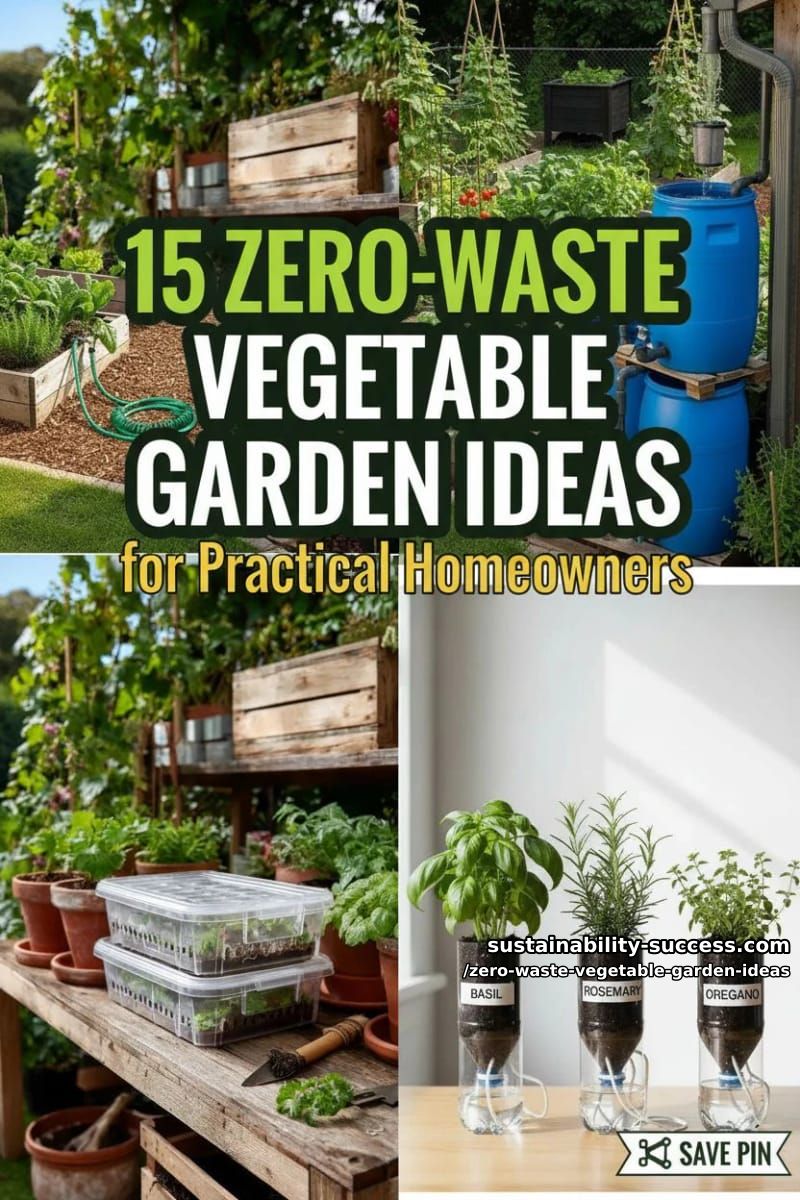
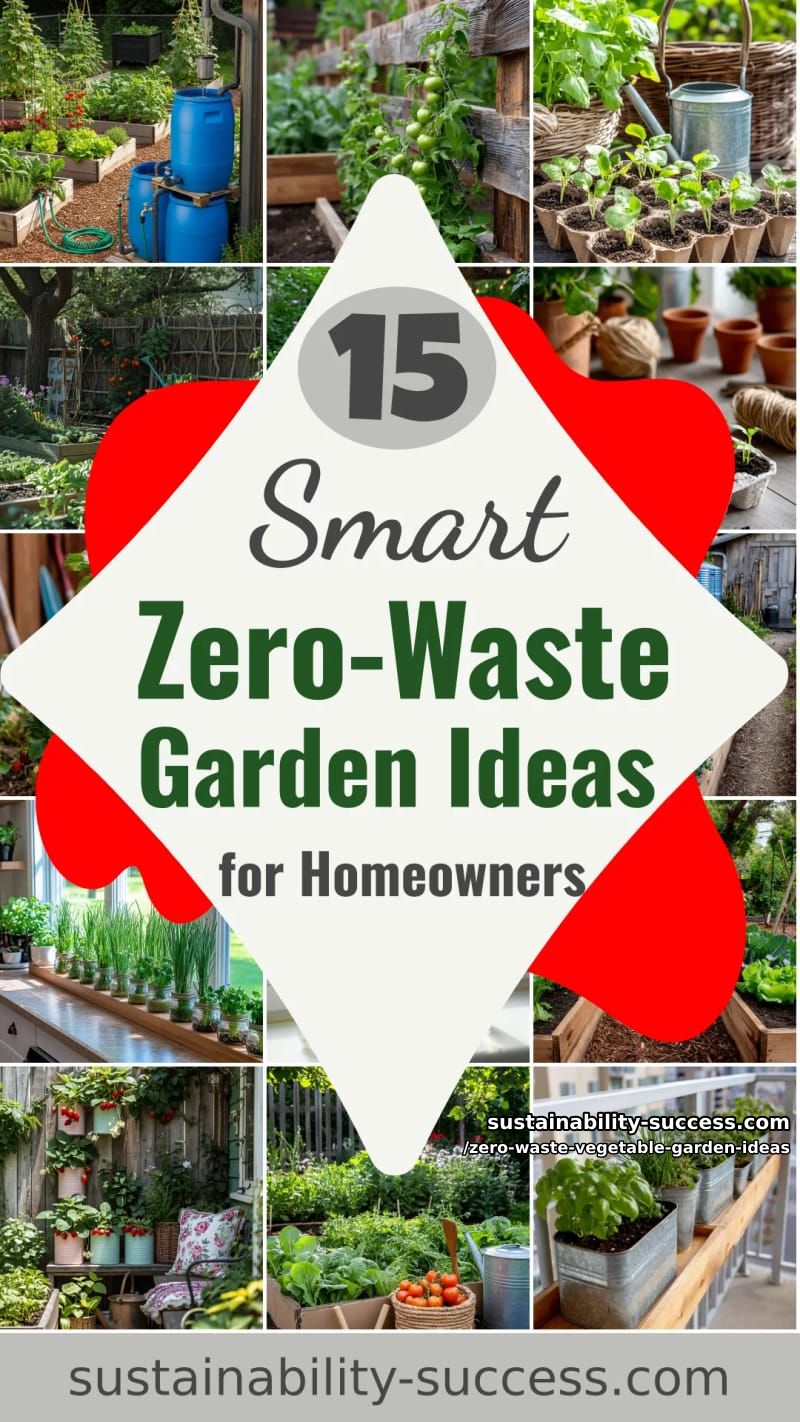
5. Create a rainwater collection system using salvaged barrels for garden irrigation
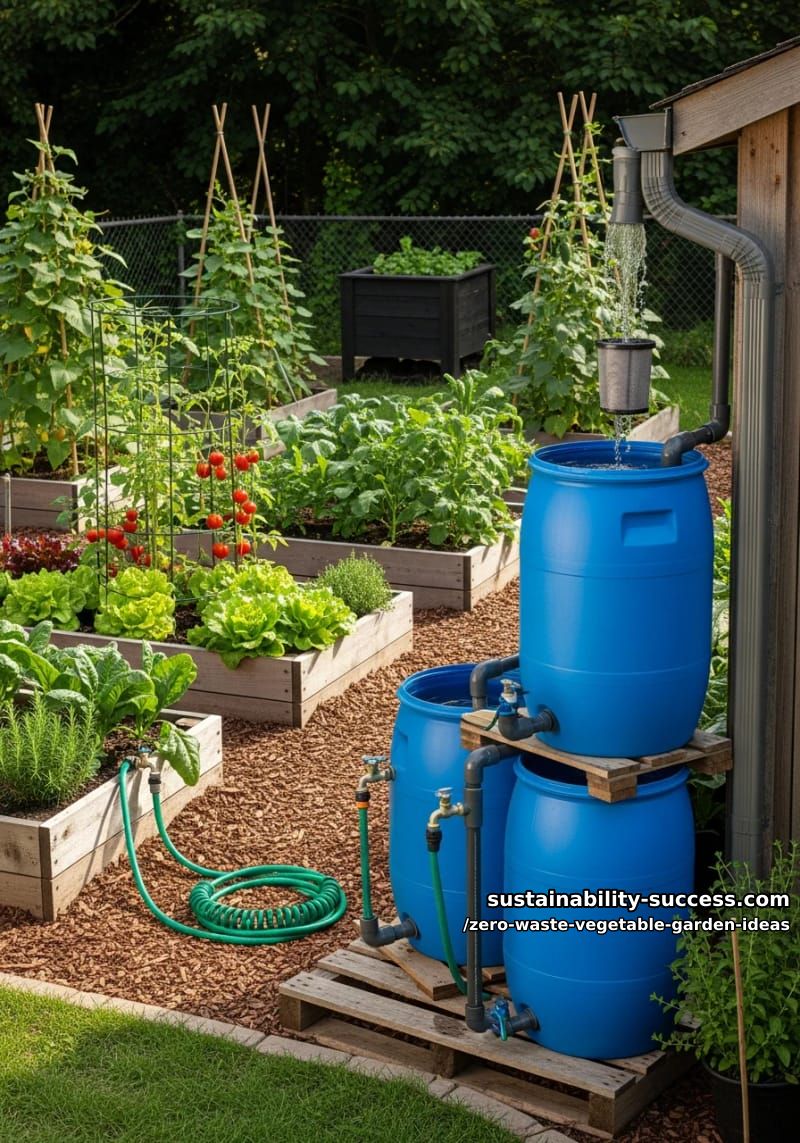
Why let rainwater go to waste when old barrels can help you save money and conserve resources? Salvaged barrels, cleaned and fitted with simple spigots, can catch gallons during a single storm.
Set them under gutters and use the collected water for your vegetables. It’s practical, sustainable, and surprisingly easy.
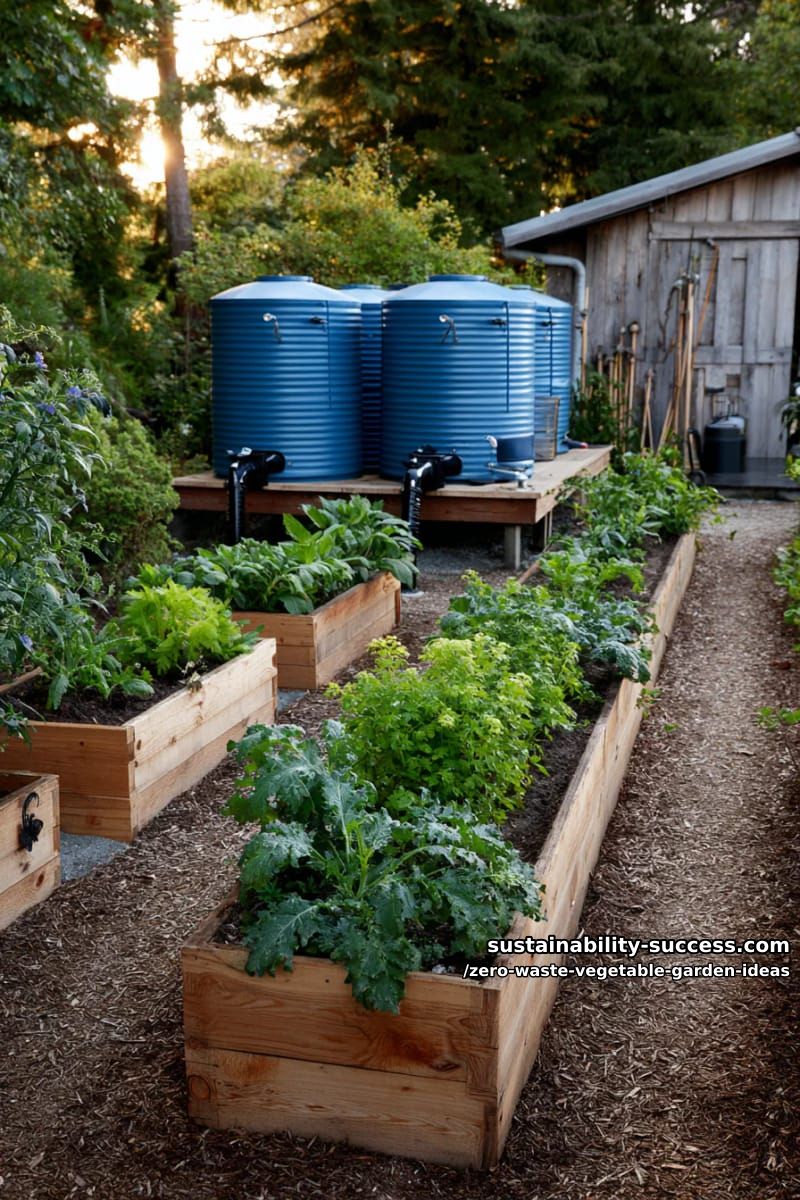
Some folks worry about aesthetics, but a coat of paint or strategic placement solves that. Remember to cover your barrels to prevent mosquitoes.
By reusing materials and reducing tap water use, your garden becomes more self-sufficient. Isn’t that a win for your wallet and the planet?
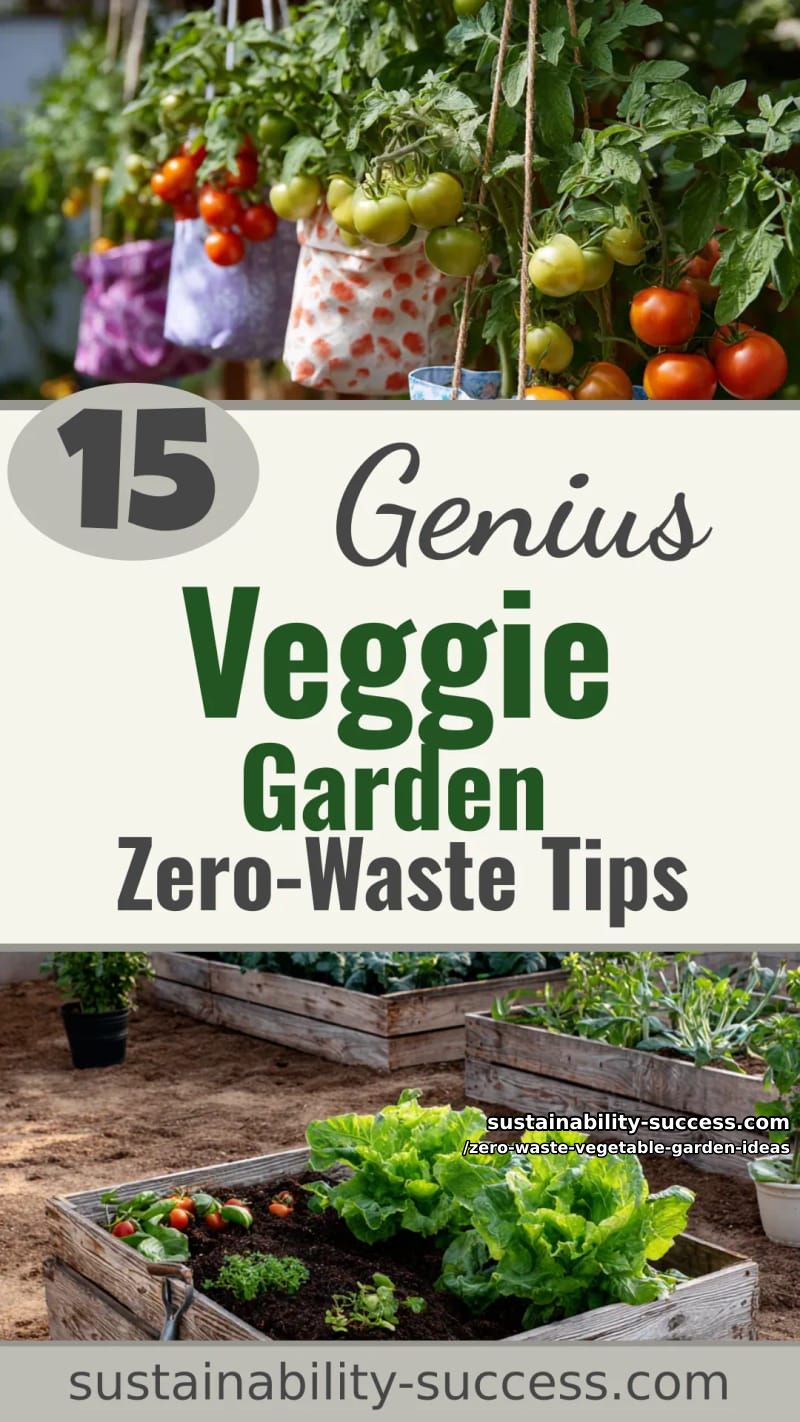
6. Grow tomatoes in hanging baskets made from upcycled fabric grocery bags
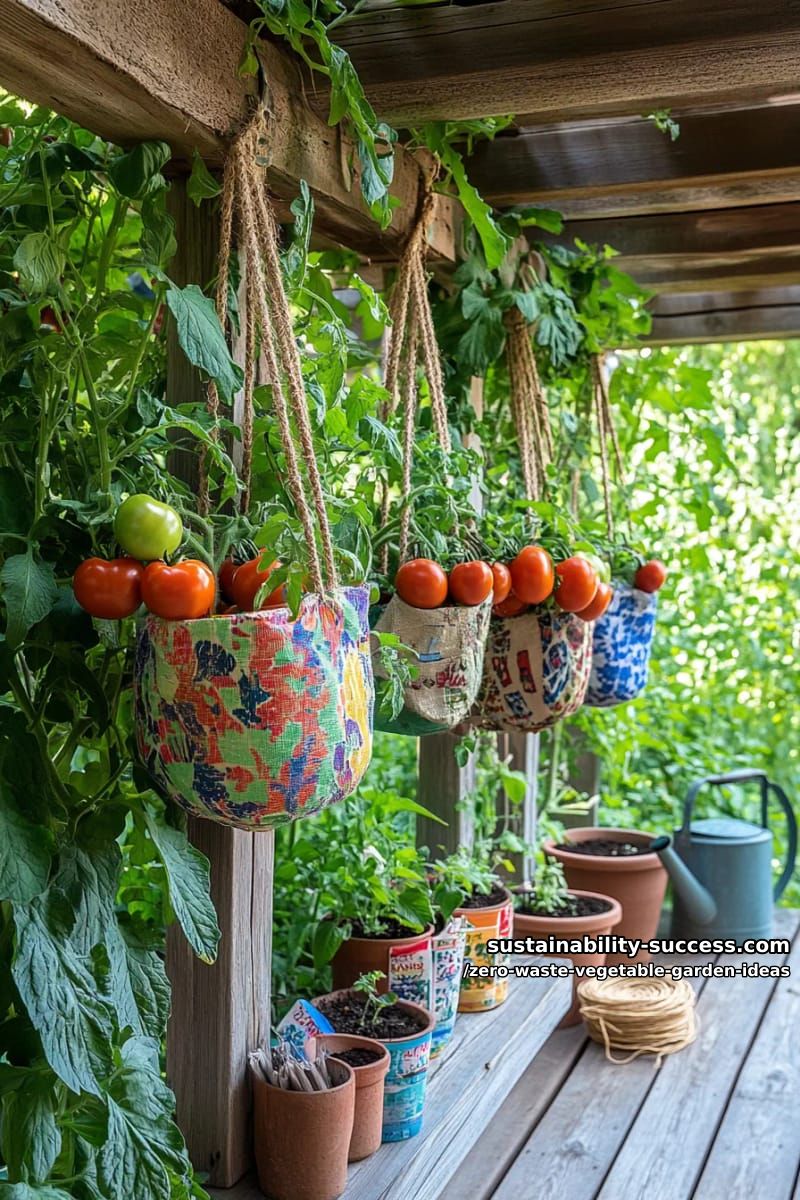
Ever wondered what to do with those old fabric grocery bags piling up in your pantry? Turn them into hanging baskets for tomato plants.
This saves space and gives tired bags a second life. Tomatoes thrive with good air circulation, and your upcycled containers keep them off the ground and away from pests.
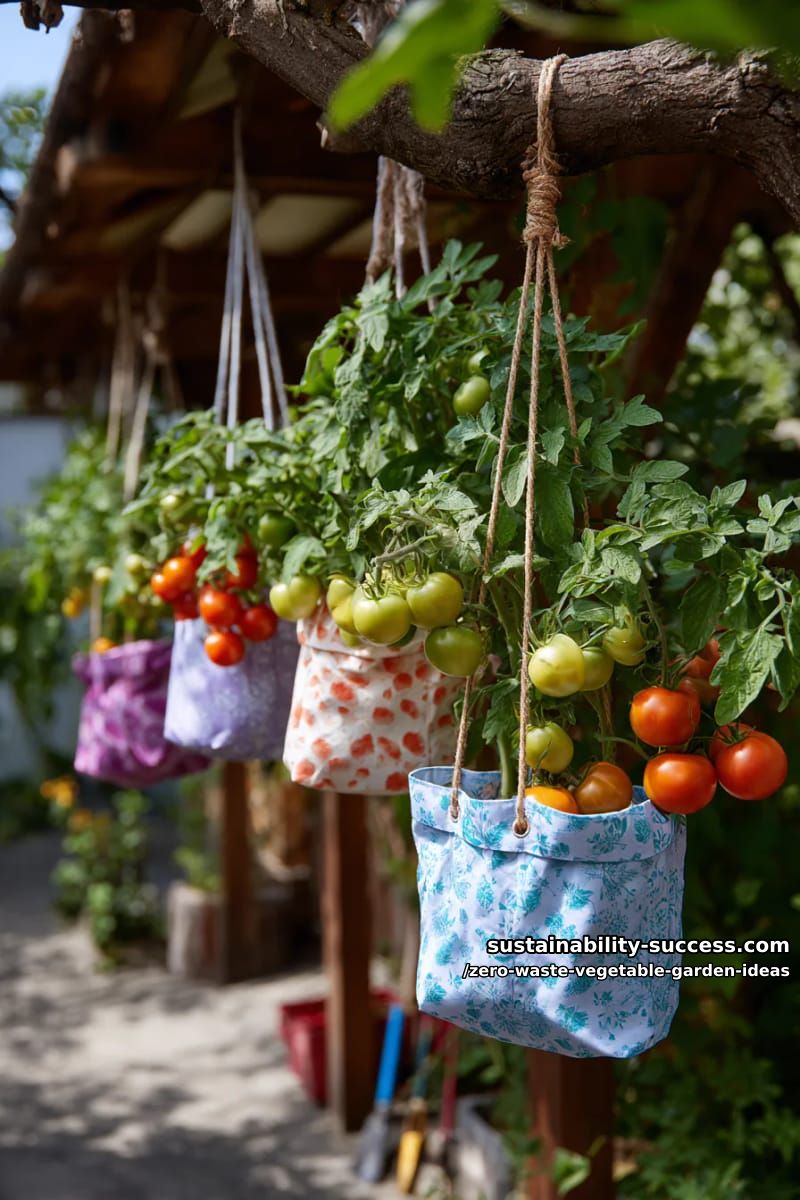
Don’t worry about fancy supplies. Just grab sturdy bags, poke a few drainage holes, fill with soil, and hang using strong hooks or rope. It’s low-cost, creative, and cuts down on plastic planters.
Sure, the bags may fade over time, but replacing them is easy, and your tomatoes won’t mind.
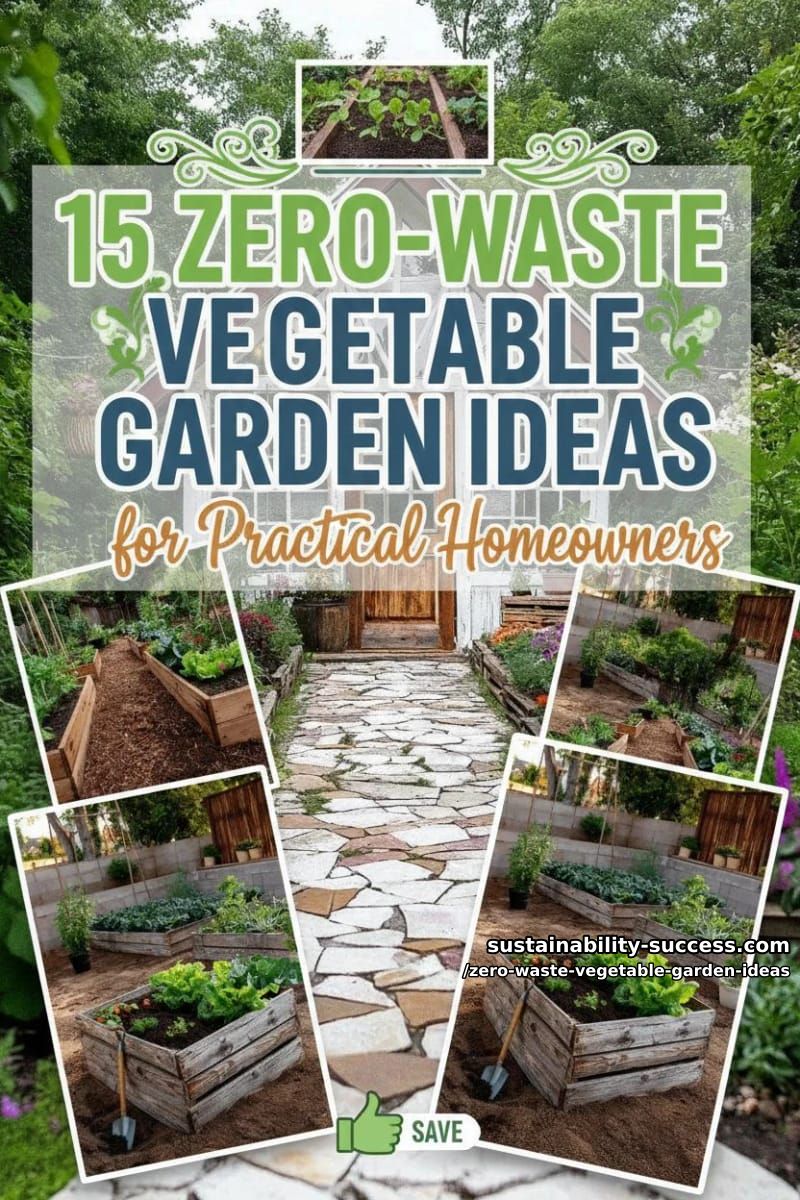
7. Use cardboard and newspaper layers for a zero-dig vegetable bed
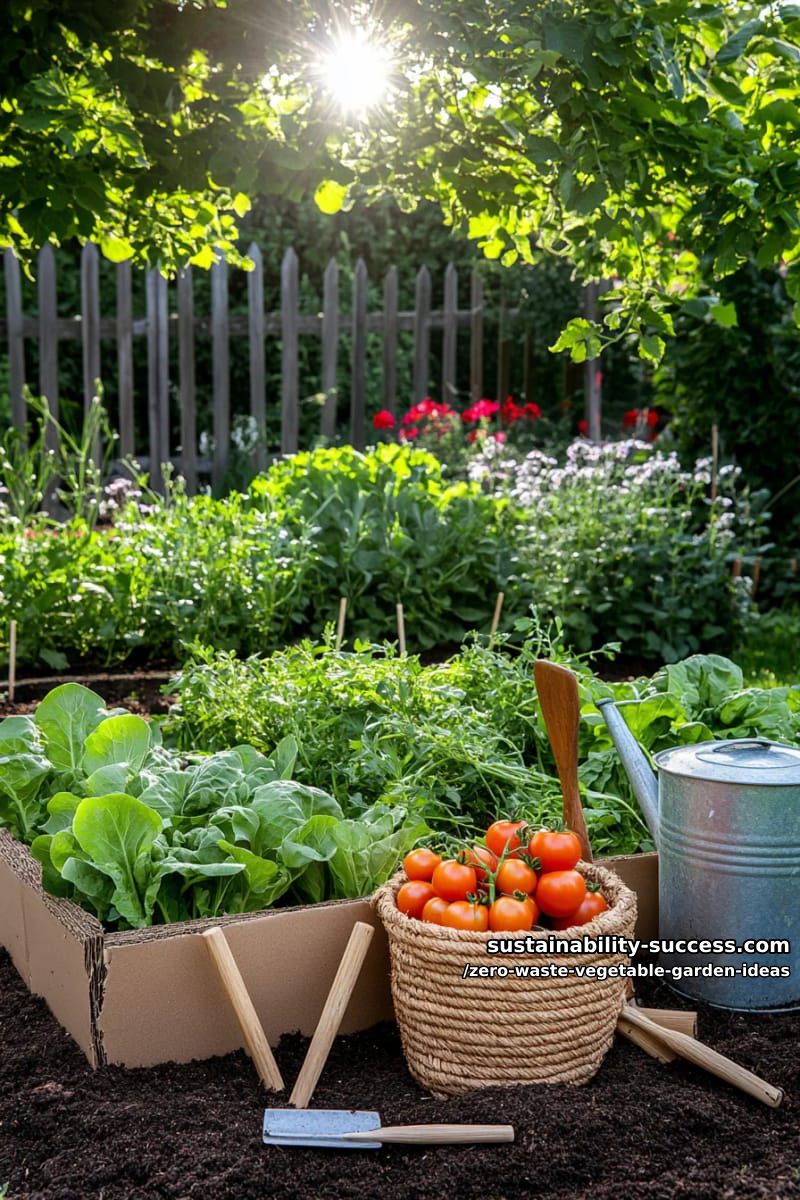
Laying cardboard and newspaper right on top of grass or weeds lets you skip back-breaking digging. These simple materials block light, smothering unwanted plants below.
Over time, worms and microbes break the paper down, turning it into rich compost. You’re recycling waste and building healthier soil, two wins in one move.
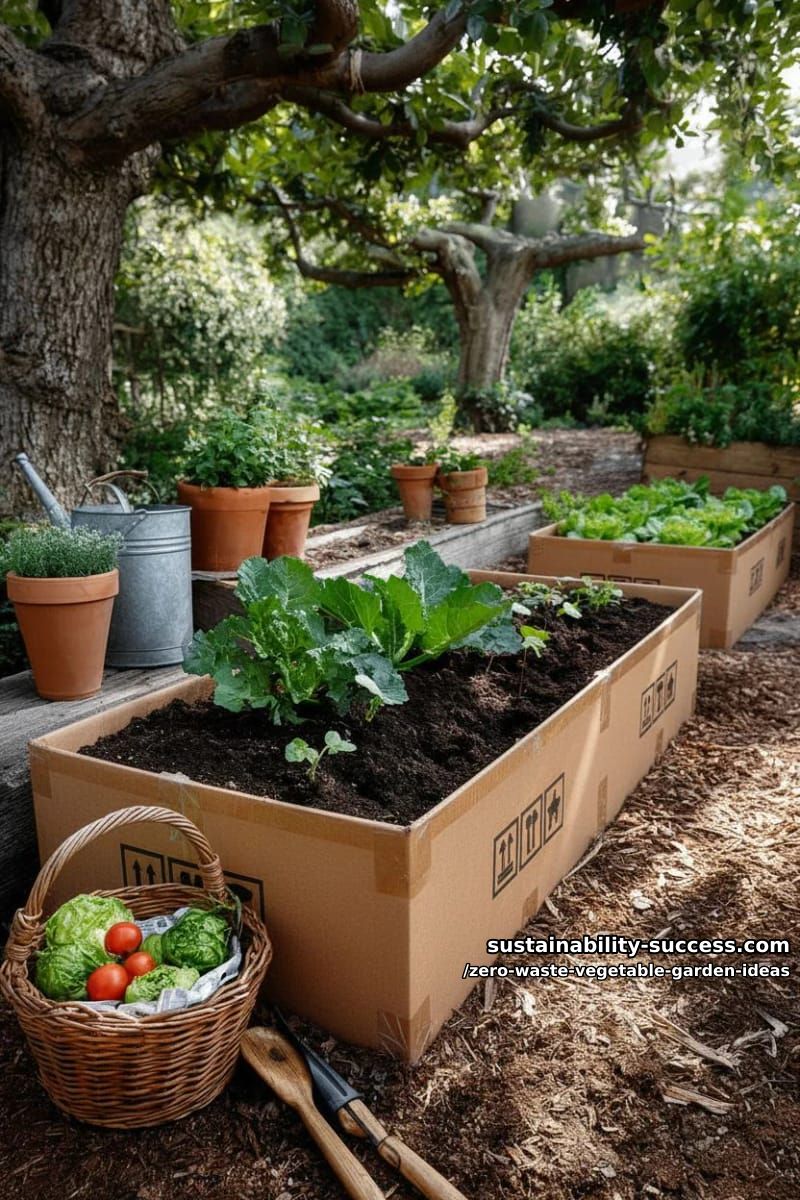
Want fewer weeds and less sweat? Stack cardboard first, then add several layers of newspaper. Wet everything thoroughly before piling on compost and mulch.
This method uses free or low-cost materials, but avoid glossy paper or tape, which can introduce chemicals. It’s budget-friendly, eco-smart, and perfect for lazy gardeners.
8. Construct a pallet fence trellis for climbing beans and peas
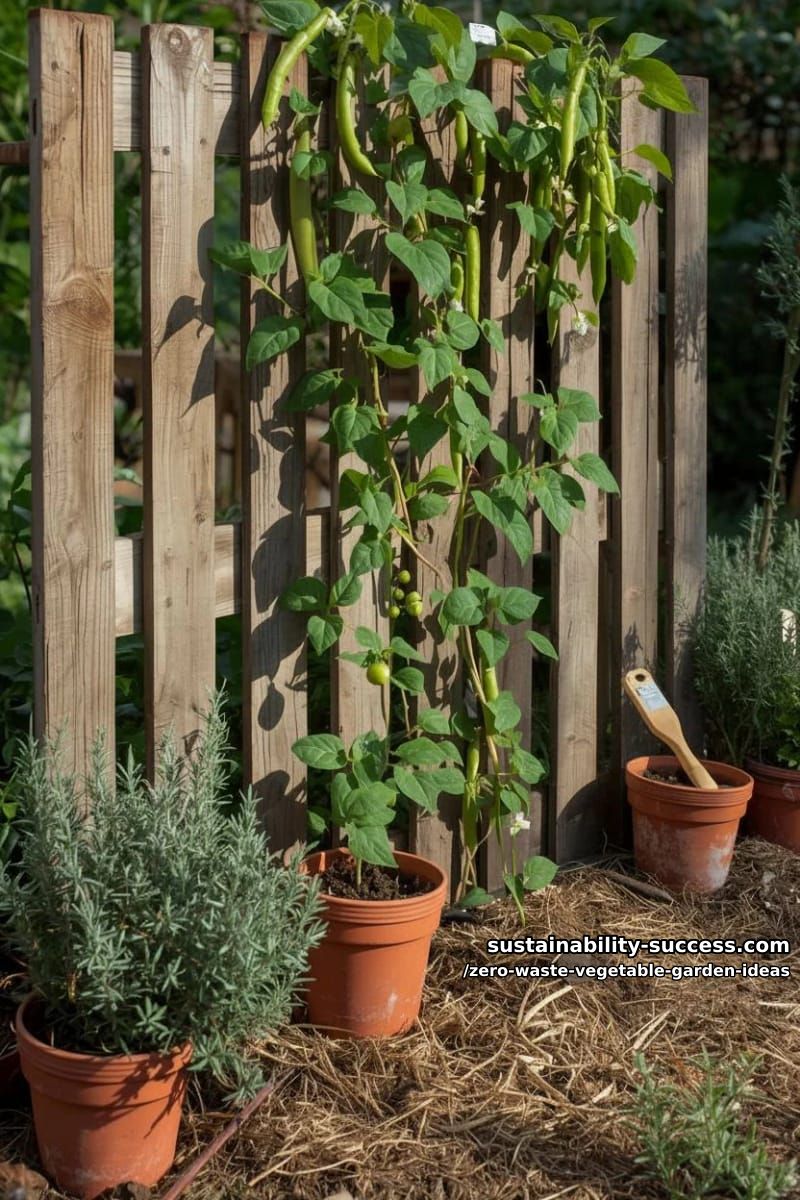
Old pallets can become more than just scrap wood, they make excellent trellis fences for climbing beans and peas.
With a little creativity, you can prop up pallets vertically, secure them with stakes, and let nature do the rest. This setup saves money and keeps materials out of landfills.
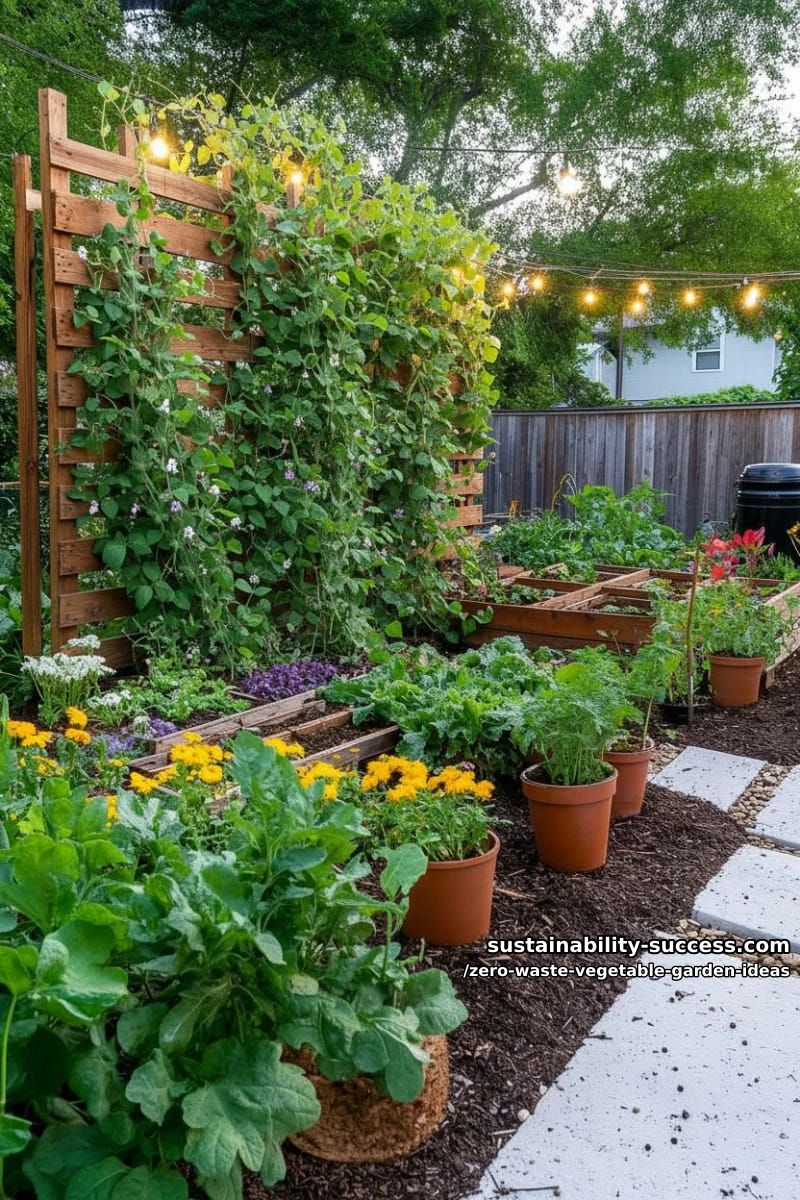
Beans and peas thrive with the sturdy support, reducing plant diseases from ground contact. But watch for splinters and make sure the pallet wood isn’t treated with harmful chemicals.
Ask your local store where their pallets come from, or use food-grade ones for peace of mind.
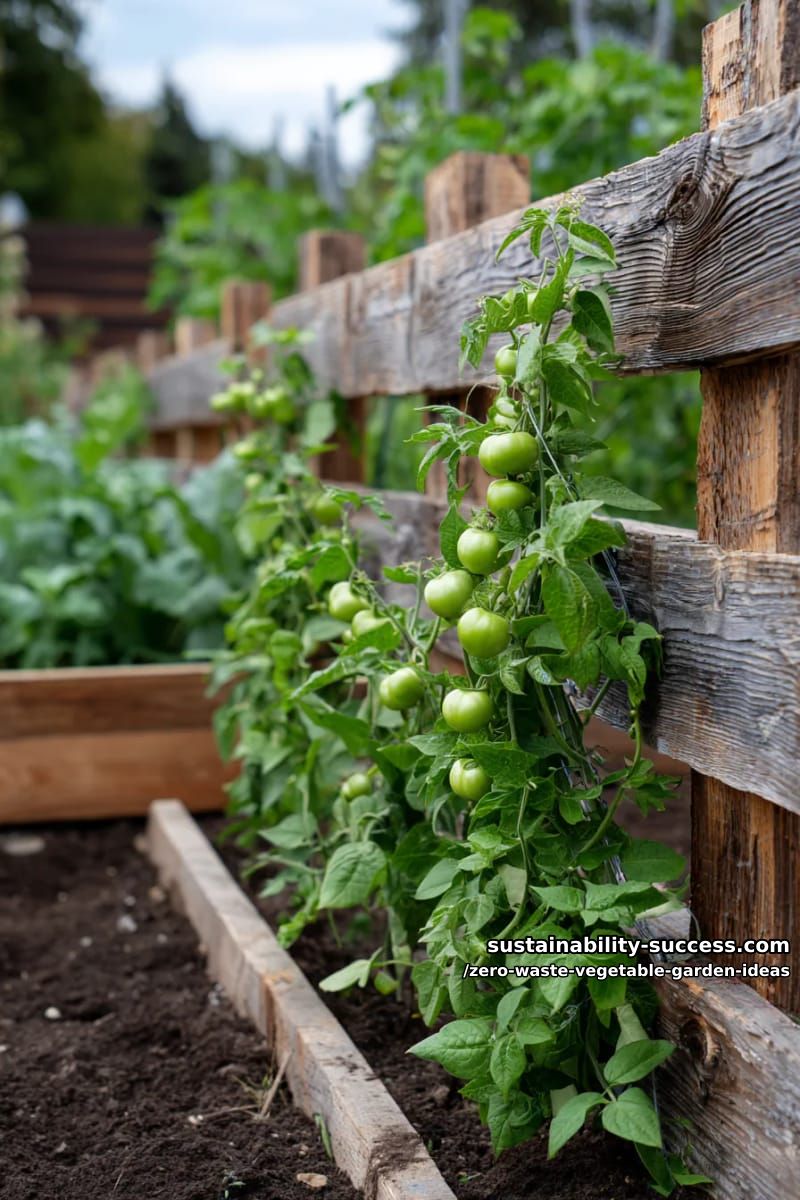
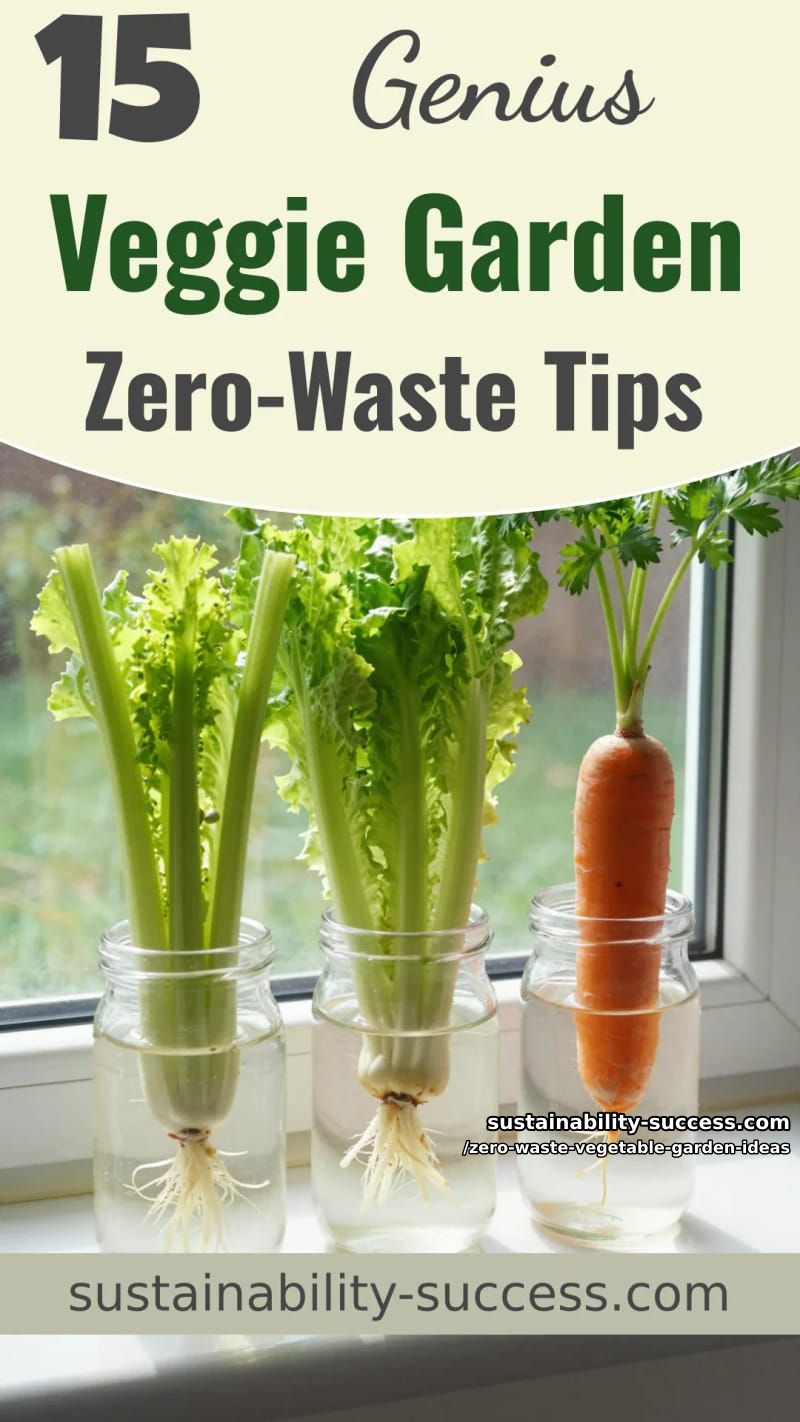
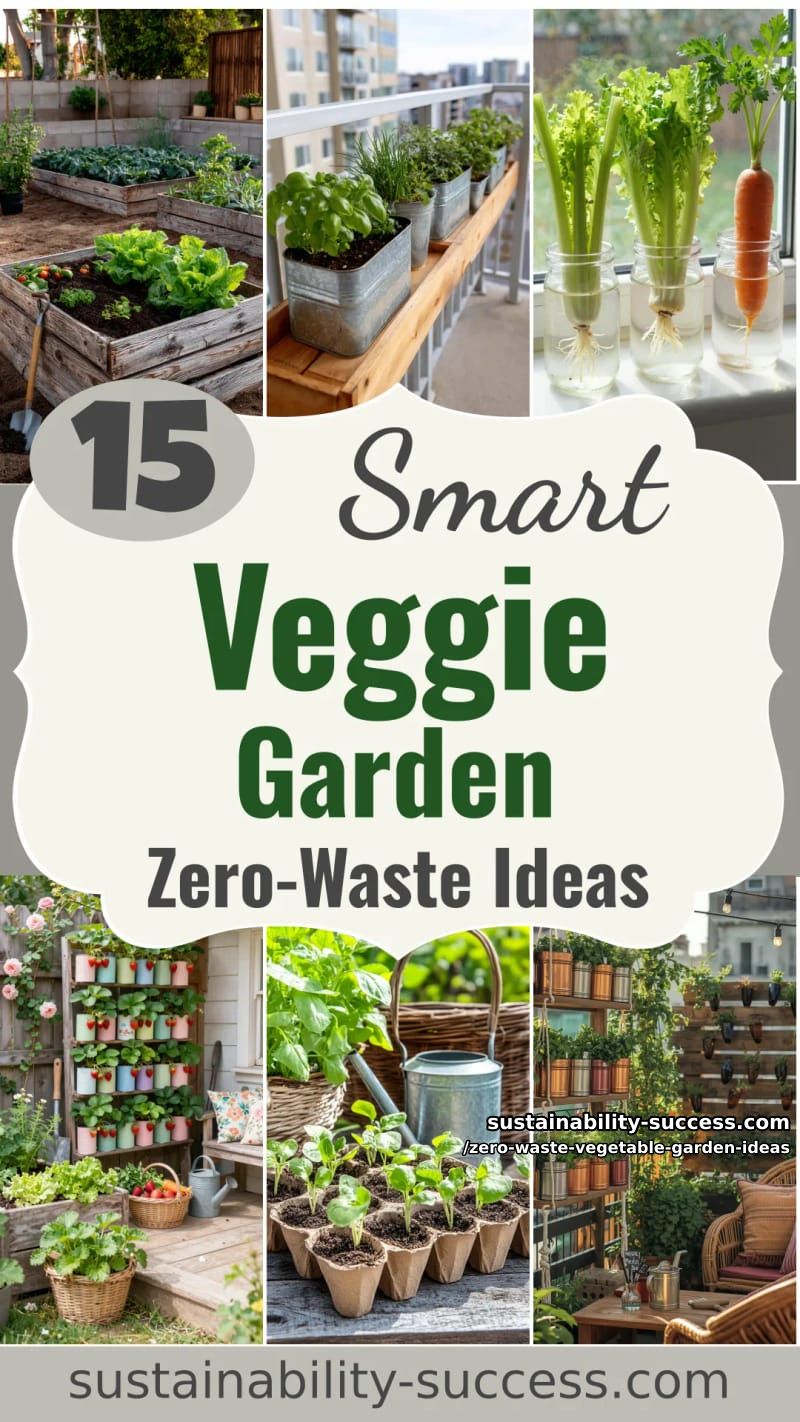
9. Regrow celery, lettuce, and carrots directly from leftover kitchen ends
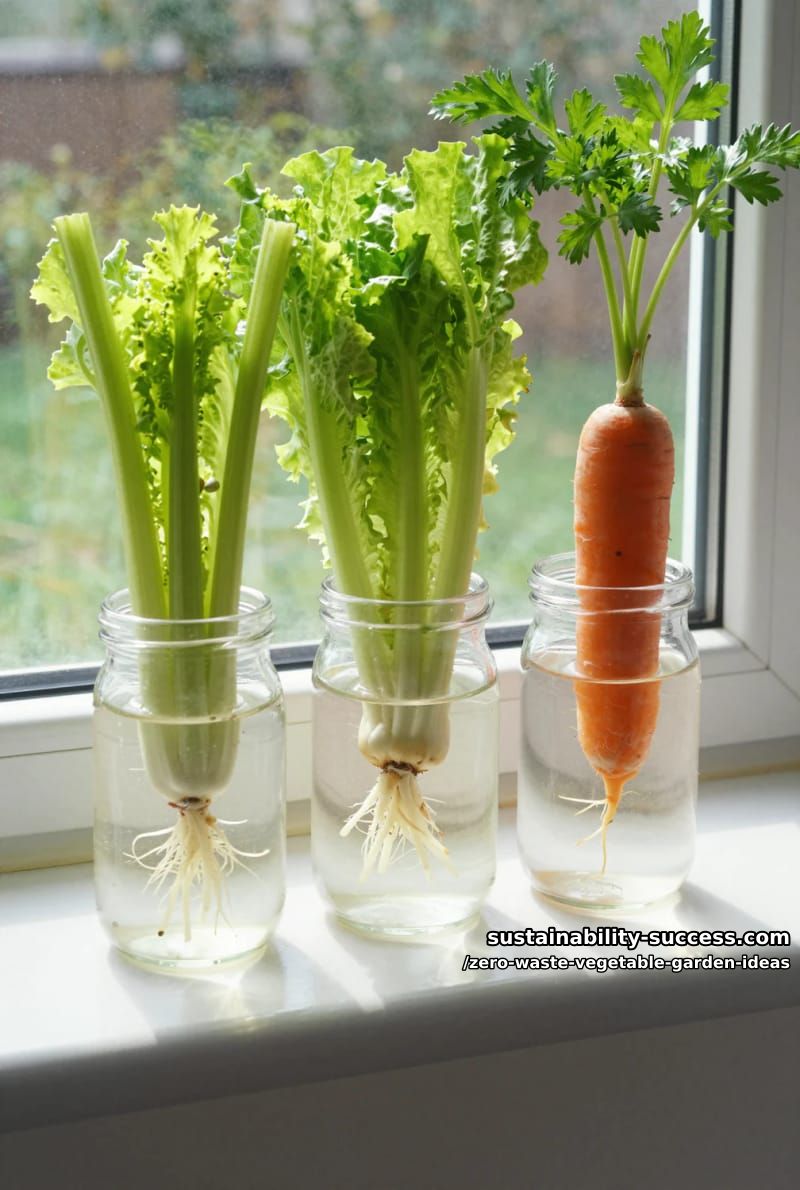
Start with kitchen scraps and a dash of patience, growing celery, lettuce, and carrots from leftovers is simpler than you think.
Place the base of celery or lettuce in a shallow dish with water; watch new leaves sprout in days. For carrots, use the tops, not the root, and enjoy fresh greens.
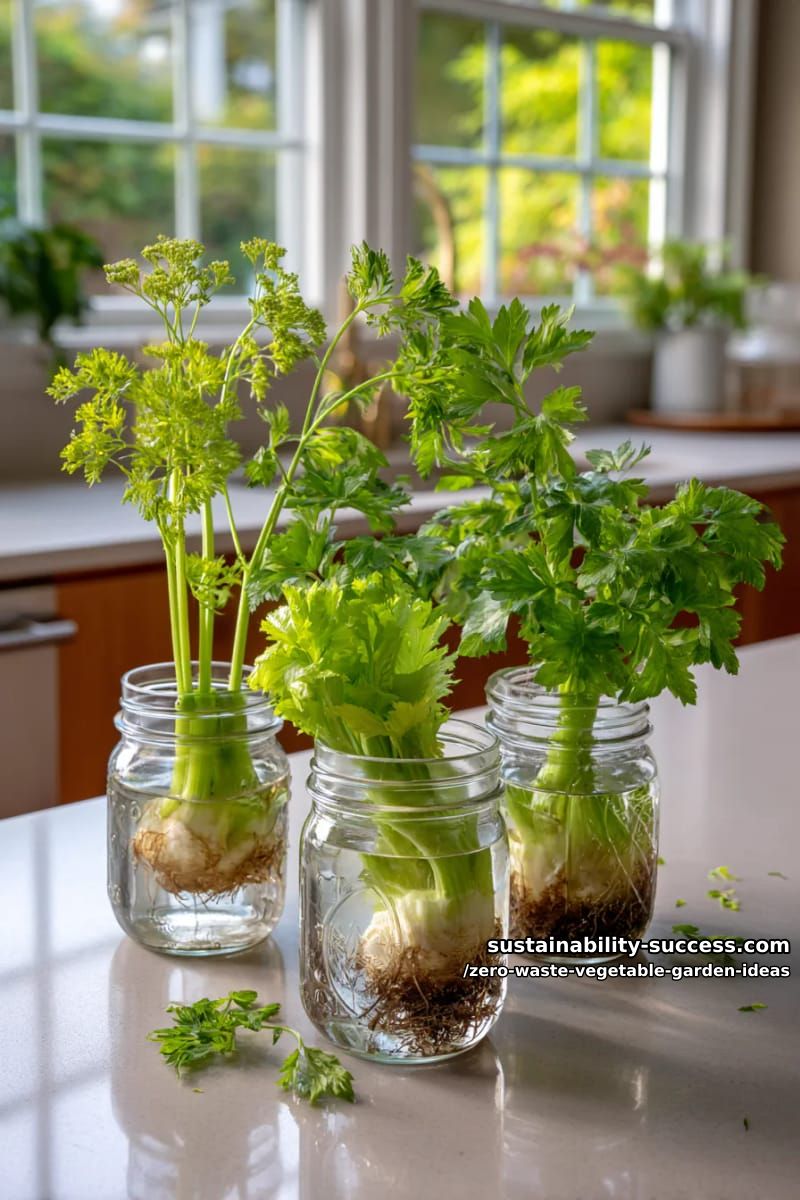
Why toss those scraps when you can create a mini-garden on your windowsill? This method saves money, reduces food waste, and offers a fun science experiment.
Even if you don’t get full veggies, the greens from carrot tops can brighten salads or soups. It's practical, sustainable, and surprisingly satisfying.
10. Make a worm composting station using old food storage containers
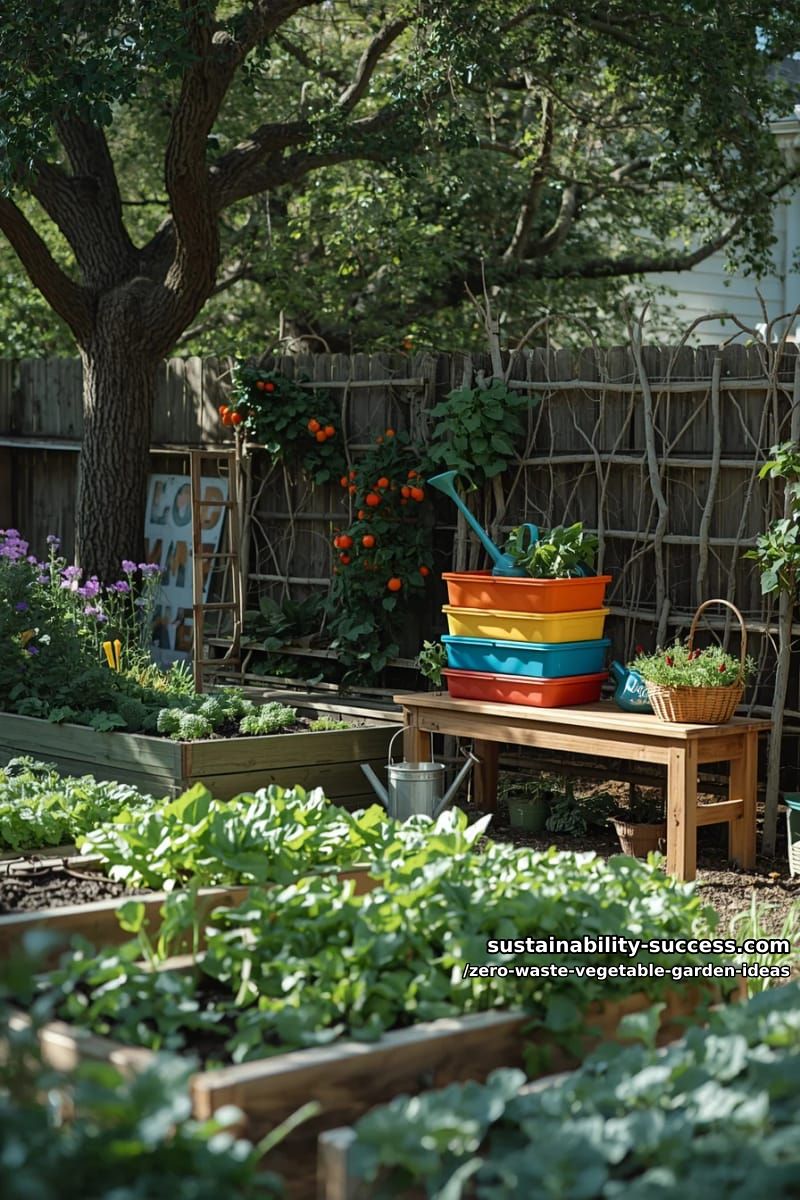
Old food storage containers can gain new life as worm composting stations. Worms turn your kitchen scraps into nutrient-rich compost, reducing household waste.
Simply drill small holes for airflow, add bedding like shredded paper, and introduce worms with fruit and vegetable peels. It’s simple, affordable, and surprisingly odor-free.
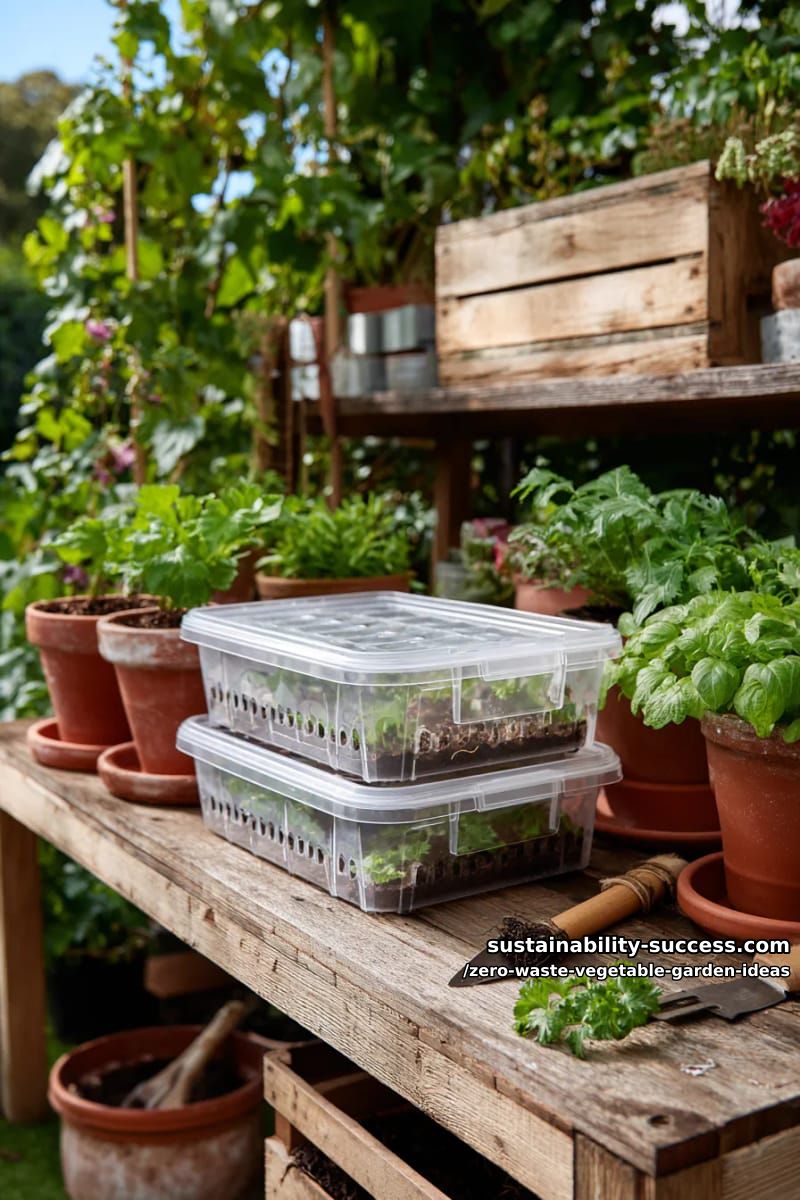
Some may hesitate, fearing worms will escape or smells will linger. In reality, secure lids and proper moisture balance keep everything contained and pleasant.
Start with just a few worms, check the bin weekly, and you’ll soon have rich compost for your vegetables, no fancy equipment needed.
11. Repurpose egg cartons as seed starters for your vegetable seedlings
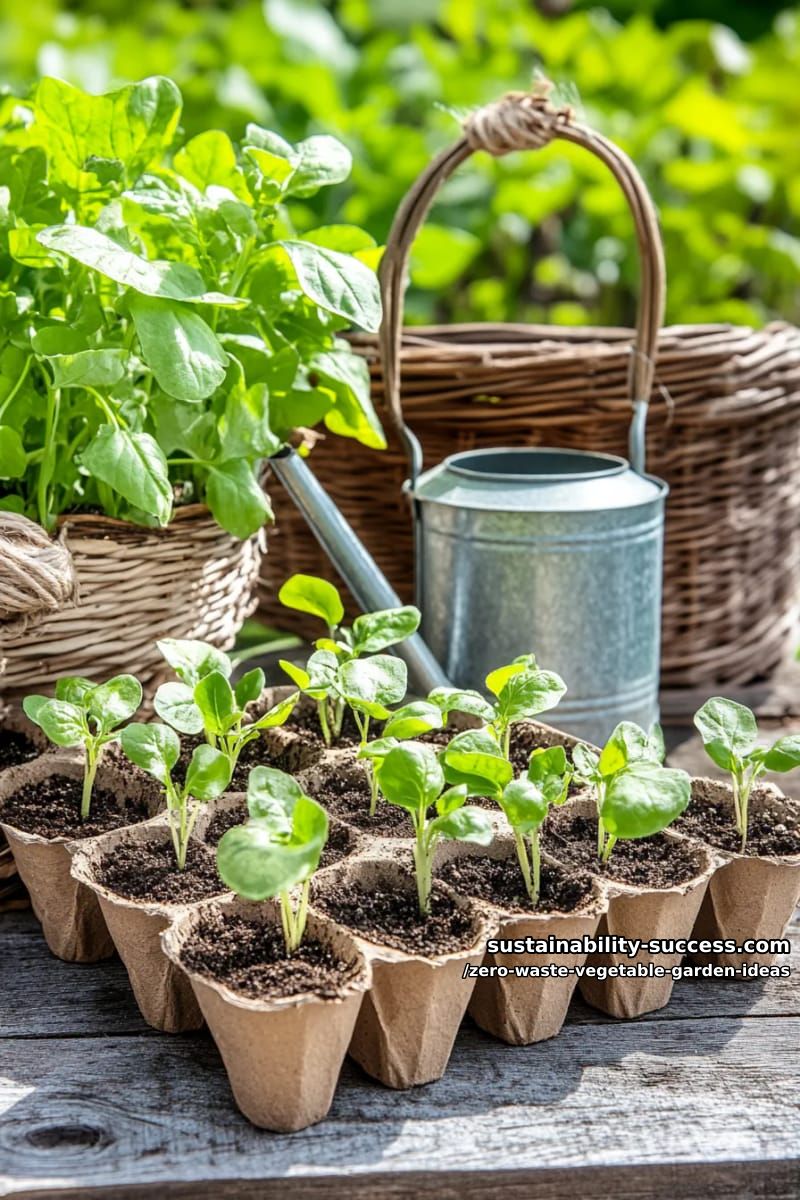
Egg cartons aren’t just for eggs. Try using them as seed starters for your vegetable garden. They’re biodegradable, easy to handle, and fit perfectly on most windowsills.
Just fill each cup with soil, drop in your seeds, and mist lightly. When seedlings sprout, plant the whole cup, no waste.
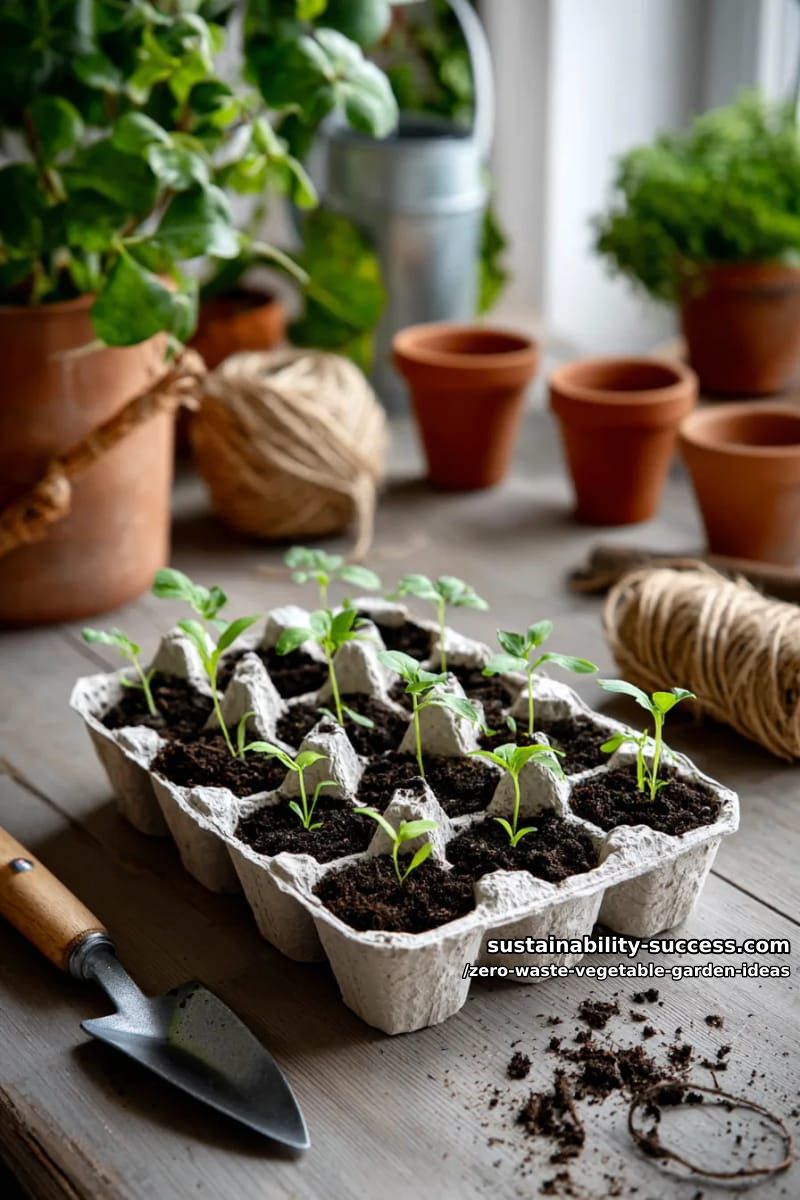
But there’s a catch: cardboard cartons break down quickly with too much water. Plastic ones last longer but aren’t as earth-friendly.
Keep an eye on moisture levels, and if you want to avoid extra plastic, stick to the cardboard kind. Simple, effective, and kinder to the planet.
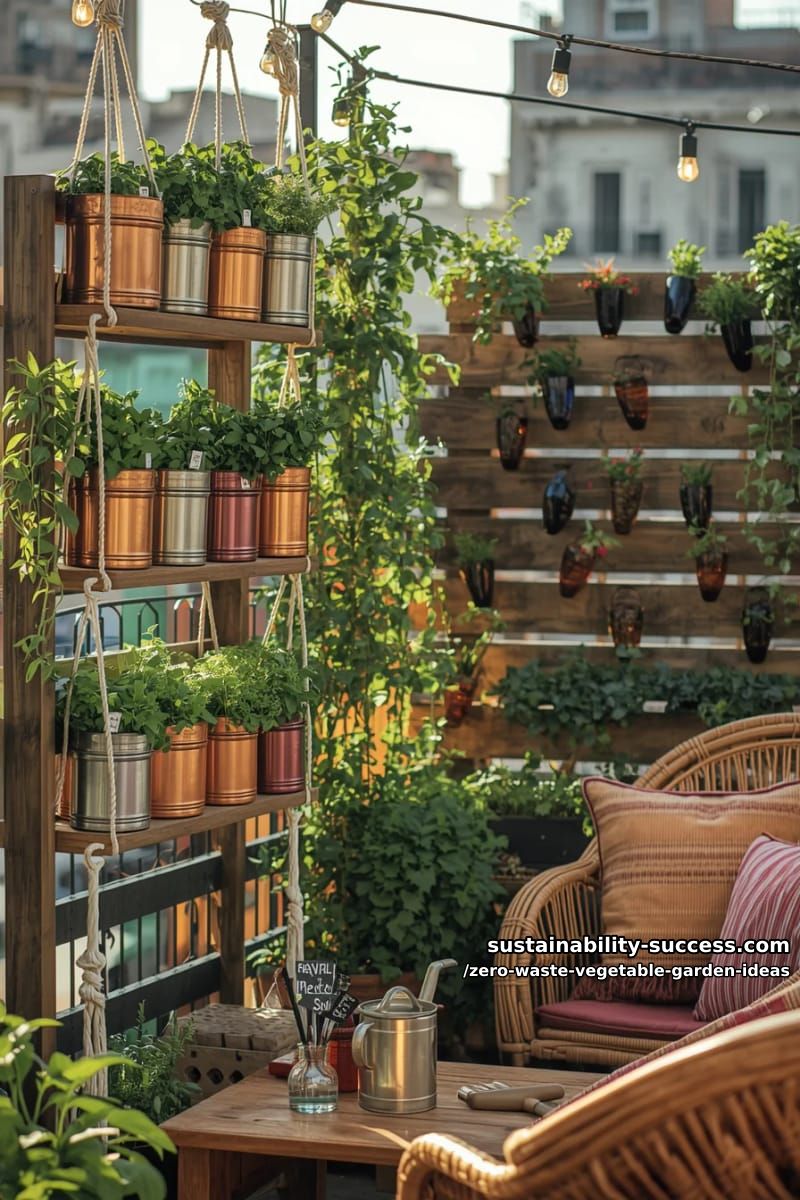
12. Turn food canisters into mini herb gardens for small balconies
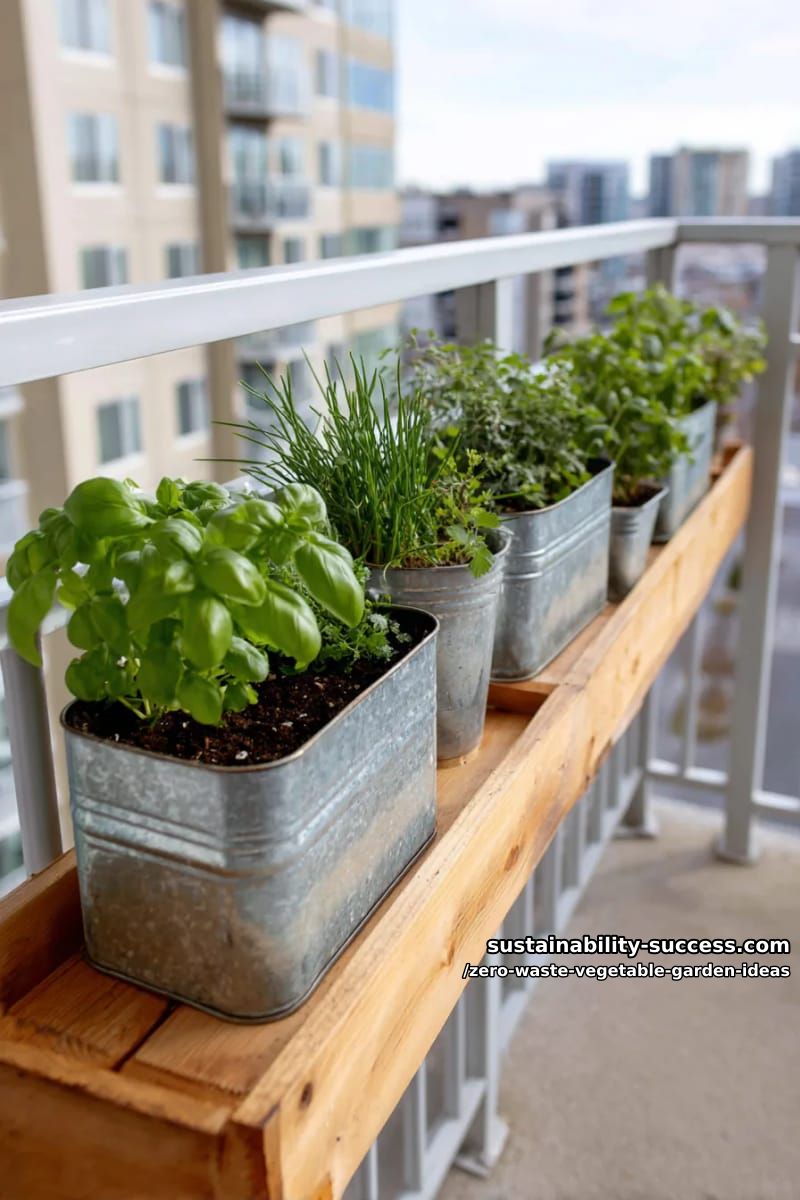
Old food canisters collecting dust? Give them a fresh purpose as mini herb gardens. Just add drainage holes, fill with potting mix, and plant basil, mint, or chives.
These compact containers fit even the tiniest balcony, turning overlooked corners into productive, fragrant spaces. Your meals, and your wallet, will thank you.
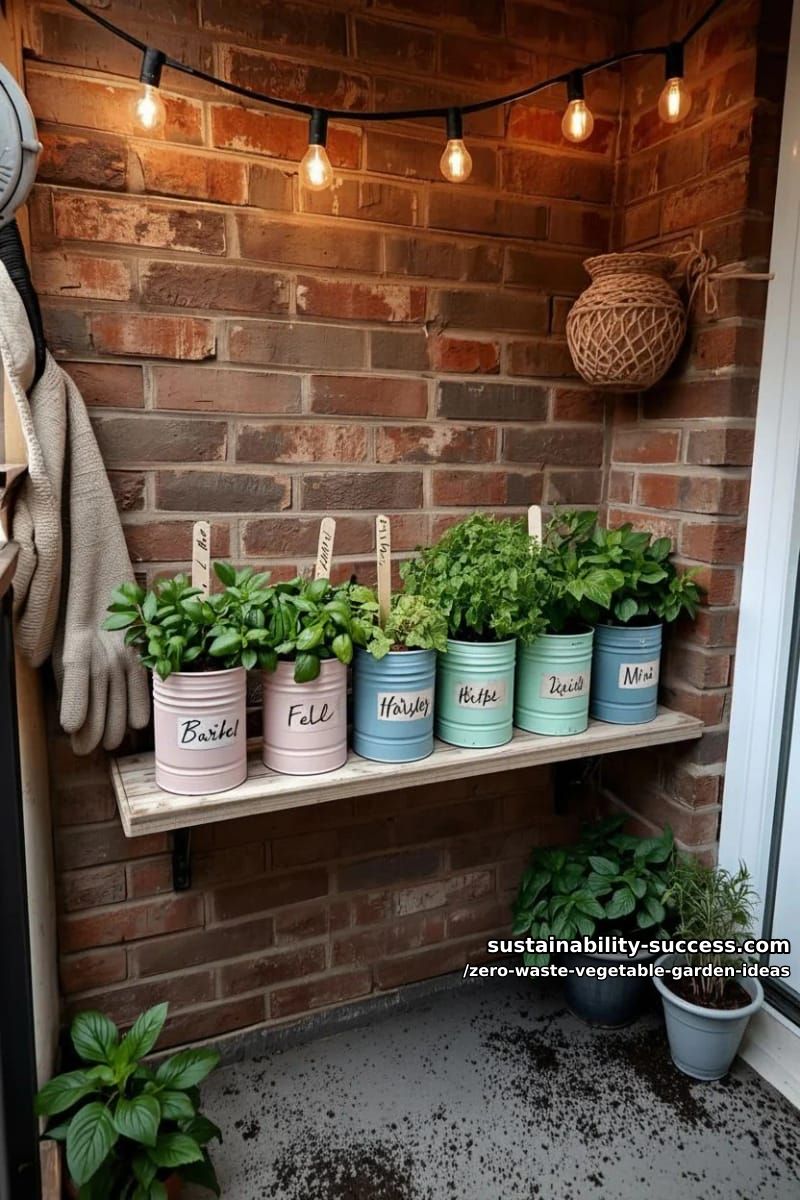
However, not all canisters breathe well. Metal ones can overheat roots in summer, and plastic may crack over time. To avoid soggy soil, check for proper drainage.
With a bit of care, you’ll grow fresh herbs steps from your kitchen, cutting waste and boosting daily flavor.
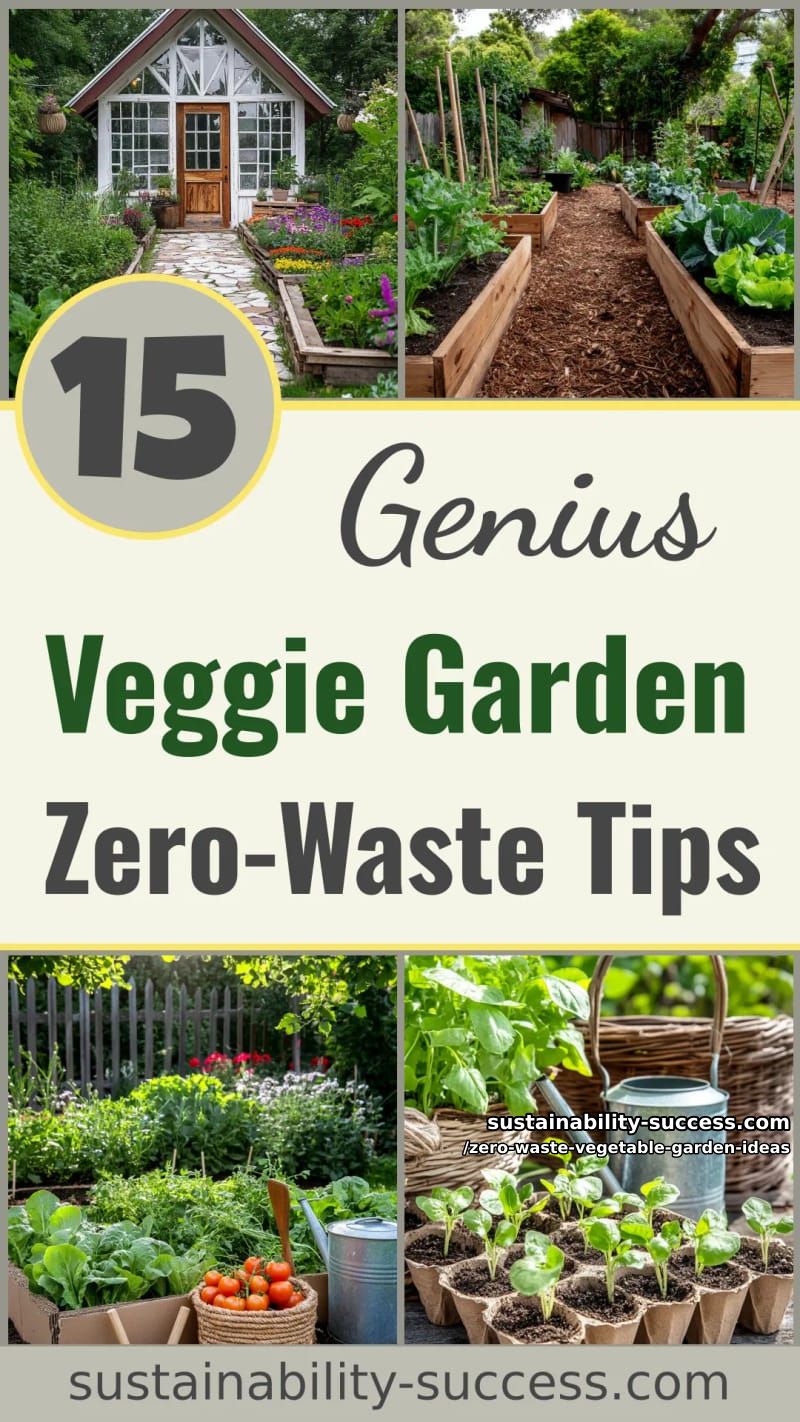
13. Build a greenhouse with old windows and door frames for year-round veggies
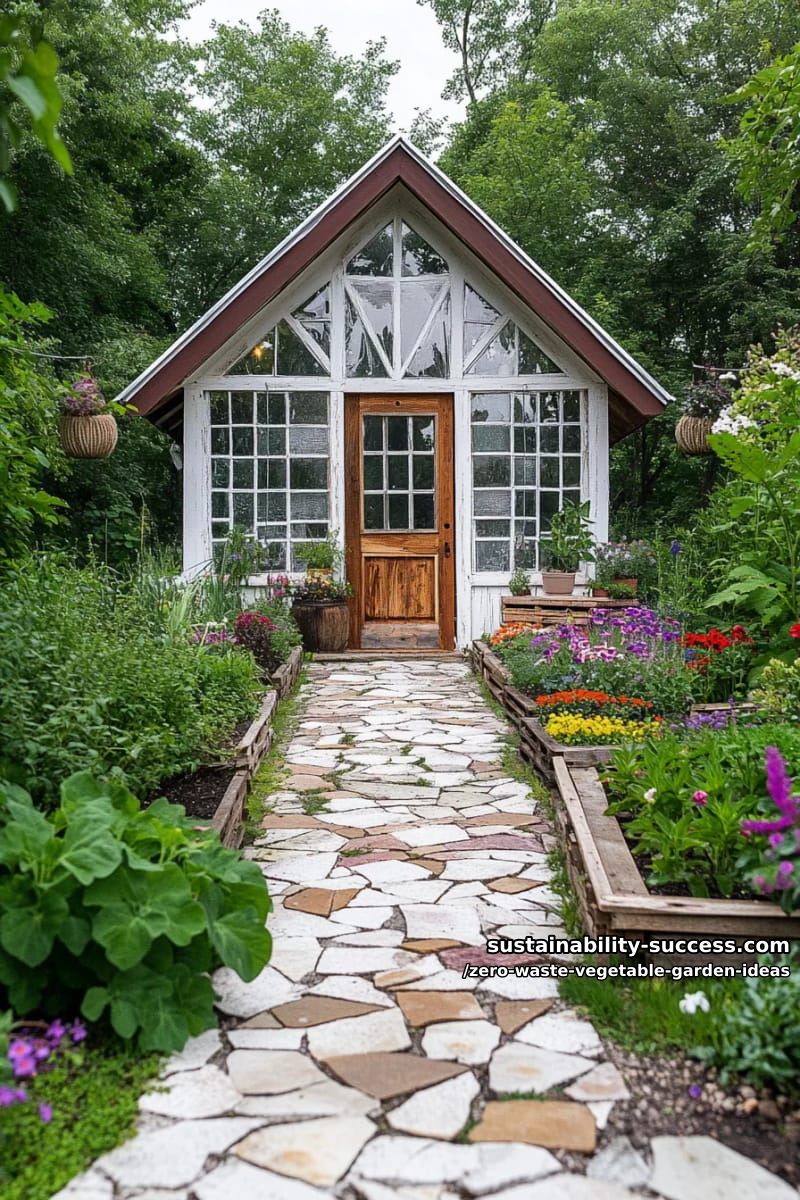
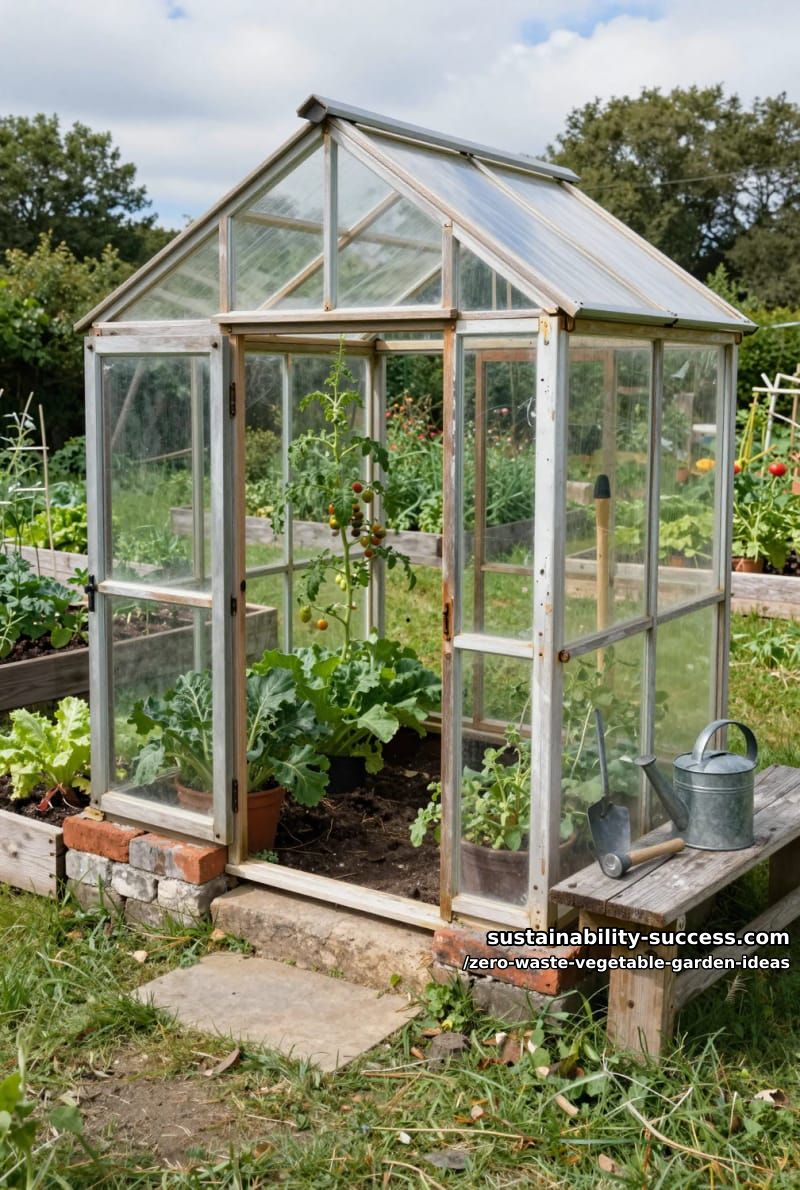
Building a greenhouse from old windows and door frames offers year-round fresh veggies and a smart way to reuse materials.
Instead of tossing those old panes, why not let them protect your lettuce? This project saves money and keeps landfill waste lower, a win for your wallet and the planet.
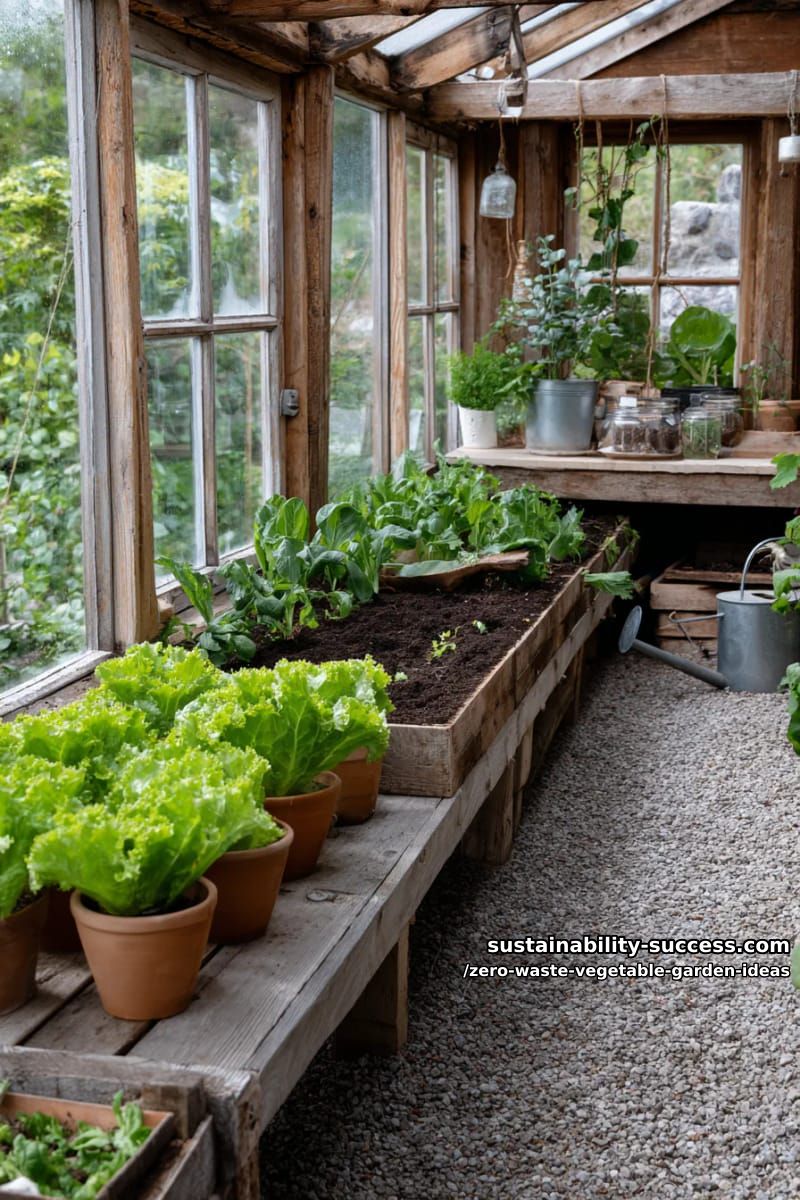
Of course, not all old frames are sturdy, so check them for rot or warping before you start. Seal any gaps to hold in warmth.
Weatherproofing can be a challenge, but with a little creativity and elbow grease, your greenhouse can stand firm through the seasons.
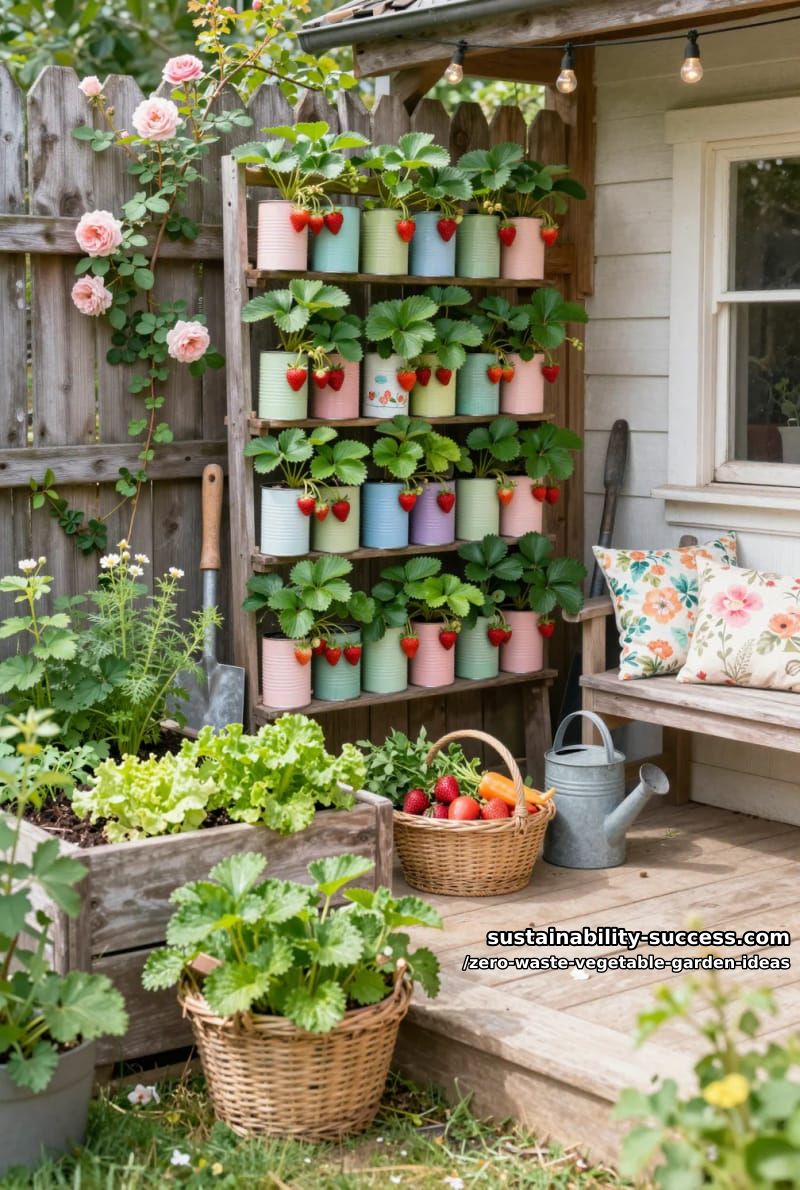
14. Grow strawberries in stacked tin cans for a rustic vertical garden
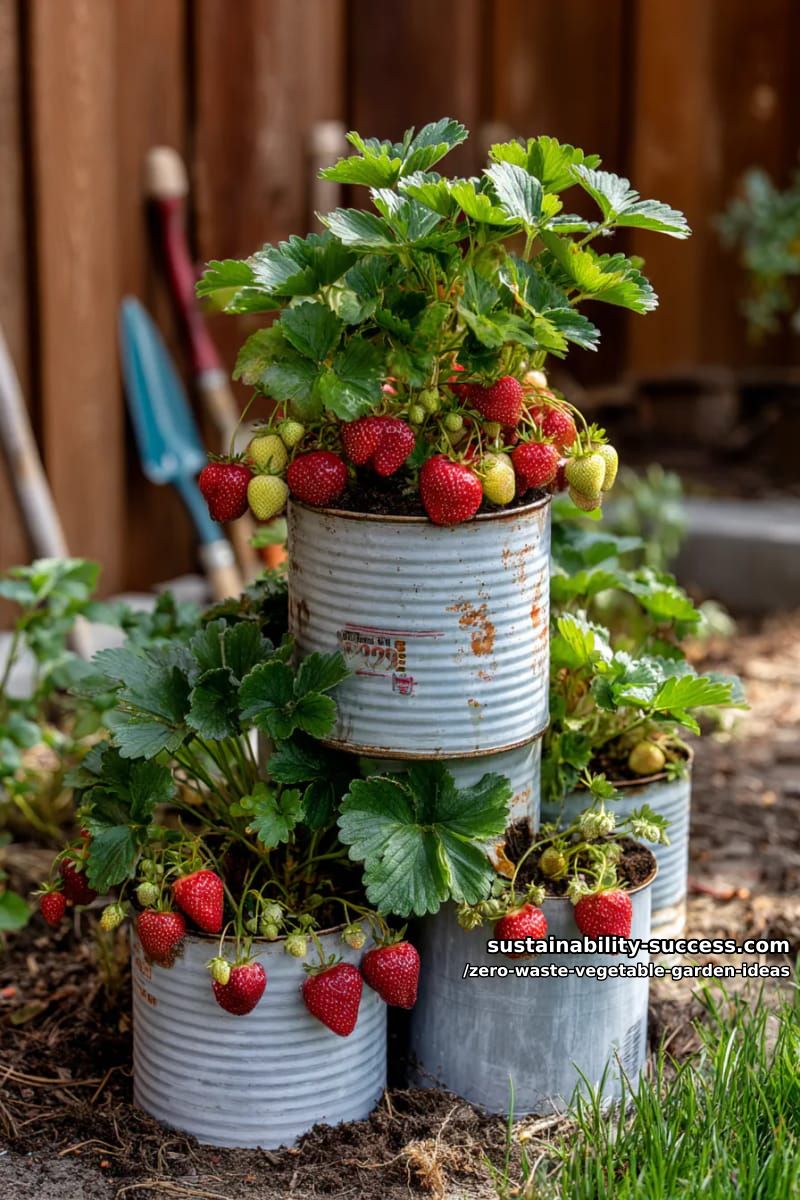
Stacking tin cans to grow strawberries is both charming and practical. Save space and cut down on waste by repurposing old cans instead of buying new planters.
Punch drainage holes, fill with soil, and stack them. Suddenly, even a cramped balcony can yield handfuls of sweet berries.
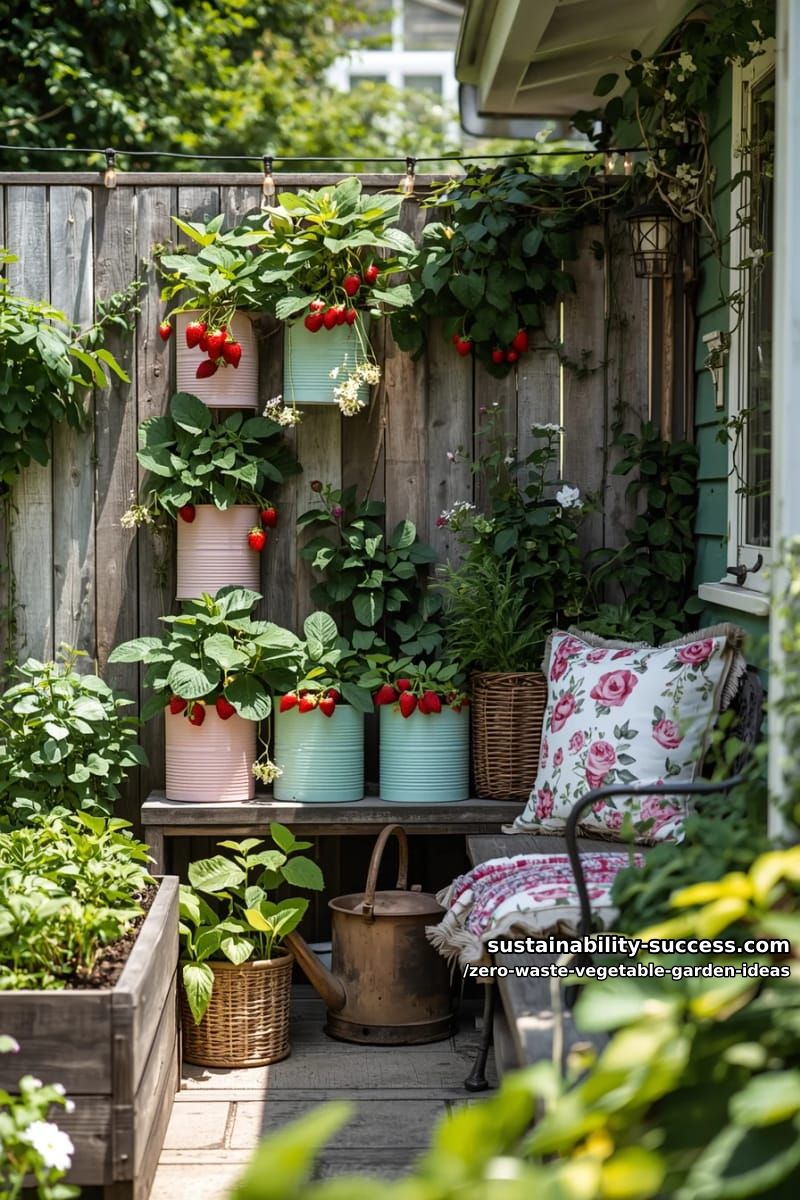
The rustic look isn’t just for show. Tin cans warm up quickly, helping strawberries ripen faster. But keep an eye on watering, they dry out in the sun.
If you’re worried about rust, line the cans with a bit of burlap. You’ll have a garden that’s smart and easy on the eyes.
15. Use garden prunings and fallen leaves for nutrient-rich mulch pathways
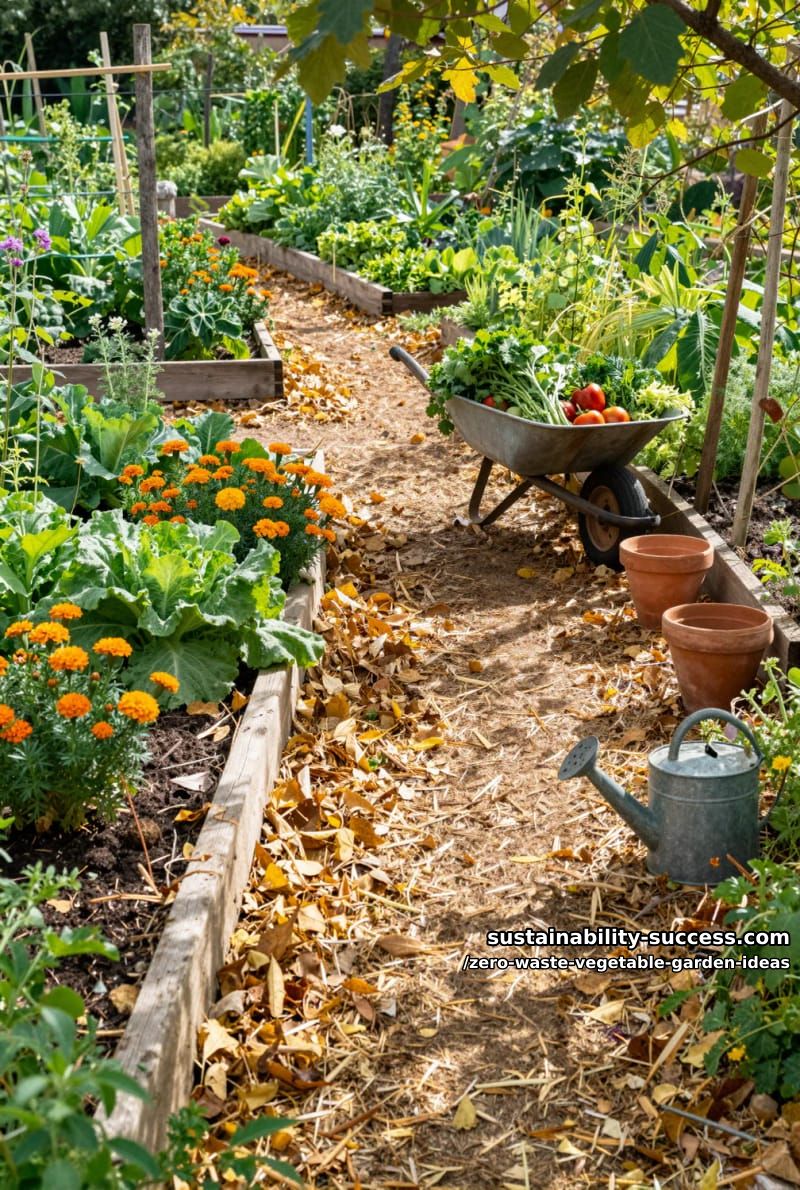
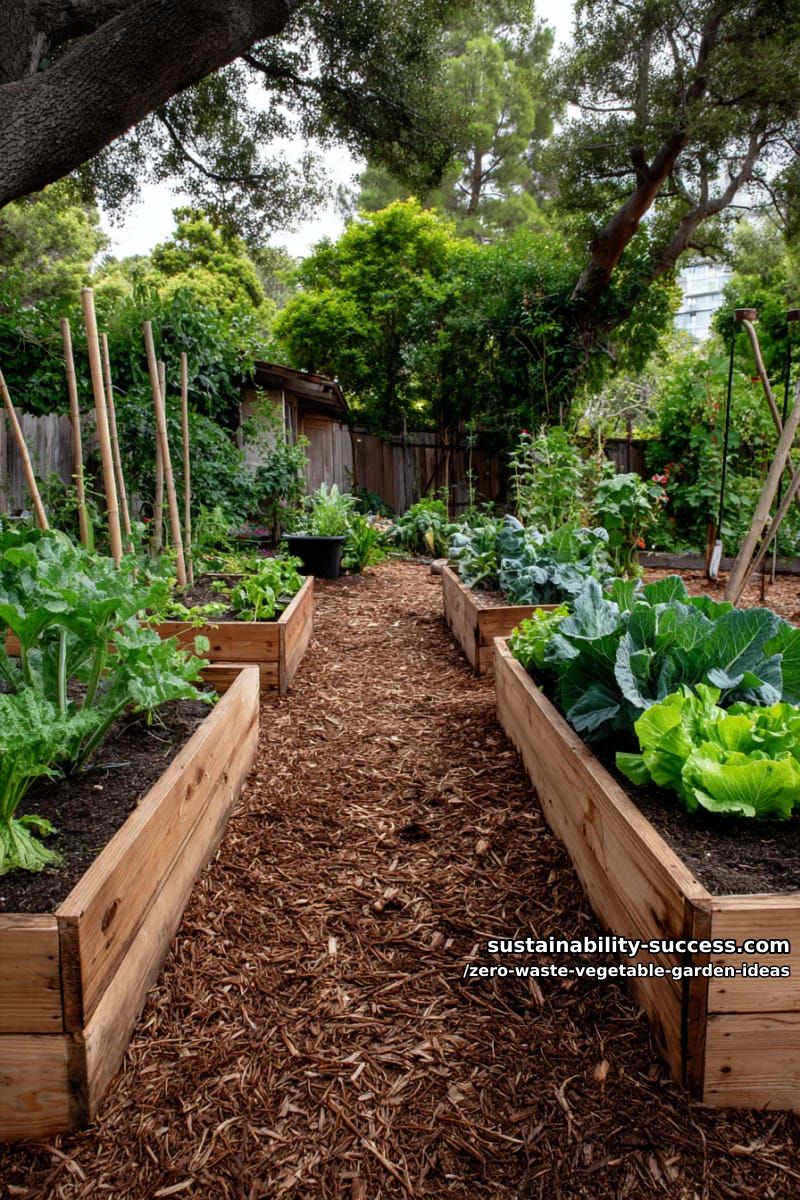
Turn your garden scraps into a valuable resource. Spread chopped prunings and fallen leaves along your pathways.
This creates a soft, earthy carpet that keeps weeds at bay and feeds the soil over time.
It’s nature’s recycling at its finest, and your plants will thank you for the steady nutrient boost.
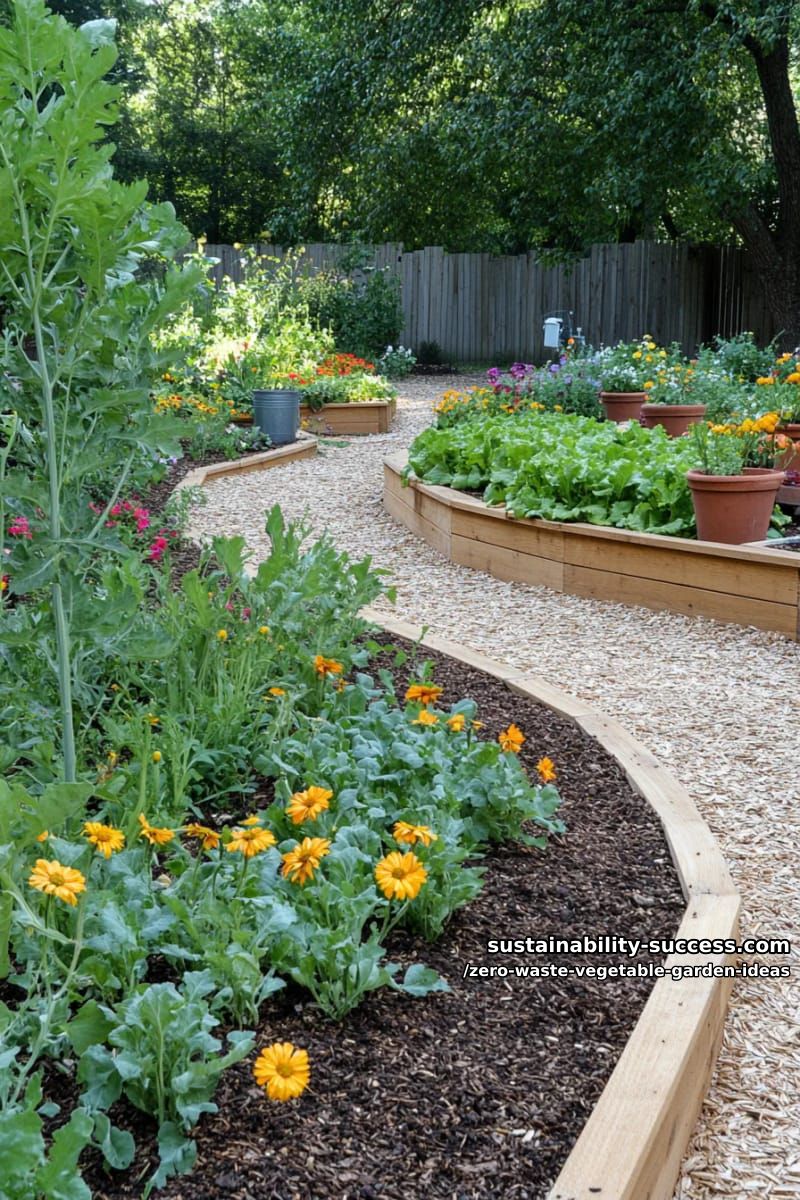
Some folks worry about pests or excess mess, but that’s easy to manage. Use only healthy, disease-free trimmings, and avoid thick piles.
Stir the mulch occasionally with a rake to help it break down evenly. Your garden paths become productive, not just pretty, a smart way to waste nothing.
Conclusion
Bringing zero-waste vegetable garden ideas to life is simpler than it sounds. Old jars, bottles, and even tired tires can all find new purpose in your backyard.
Why toss what can help you grow your next meal? Start small, every effort makes a difference.
Think of your garden as a living experiment. Try composting, save rainwater, or regrow veggies from kitchen scraps. Mistakes will happen, but those are just lessons in disguise.
Ready to roll up your sleeves and turn waste into harvest? Your garden, and the planet, will thank you.
Related Posts
- Sustainable Garden Decor Ideas
- Eco-Friendly Herb Garden Ideas
- Spring Small Space Sustainable Garden Decor
- Upcycled Garden Ideas
- Eco-Friendly Garden Art