
The standard advice on upcycled gifts is that anything can become something, and that the thought is what counts. It isn't. An upcycled gift fails for one specific reason: it still looks like the thing you had lying around, only now with glitter on it, and the person opening it can see exactly which drawer it came out of. Everything below is chosen because there is one decision inside it that hides the origin (or makes the origin the point), and that decision is what the section leads with.
"Already have" here means jeans that ripped at the knee, a sweater that shrank, jars from pasta sauce, the corks in the bowl by the fridge, a battered hardback, an egg carton, and the graveyard of half-burned candles under the sink. Total cash outlay across all nine ideas is under twenty dollars, and most of that is candle wicks.
Two of these need a needle. One needs a test burn before you wrap it. None need a workshop.
Denim wine bottle bag from one jeans leg
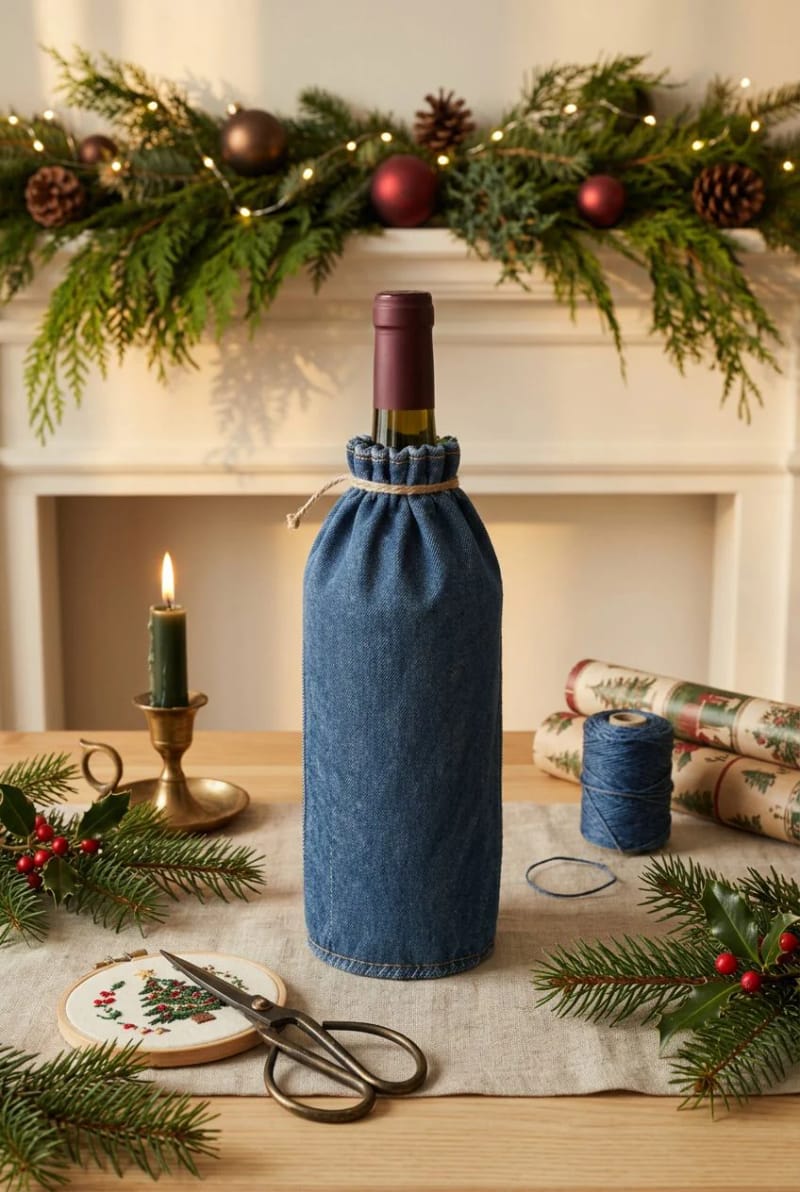
Cut the tube from the calf, not the thigh, and use the existing jean hem as the mouth of the bag so you finish exactly one edge. A standard 750ml bottle is around 12 inches tall and 3 to 3.2 inches across, which means it wants a tube of roughly 11 inches in circumference, or about 5.5 inches flat. A slim leg is already close. A straight leg is too wide and needs taking in along the inside seam, which is fine, because that seam is the one nobody looks at.
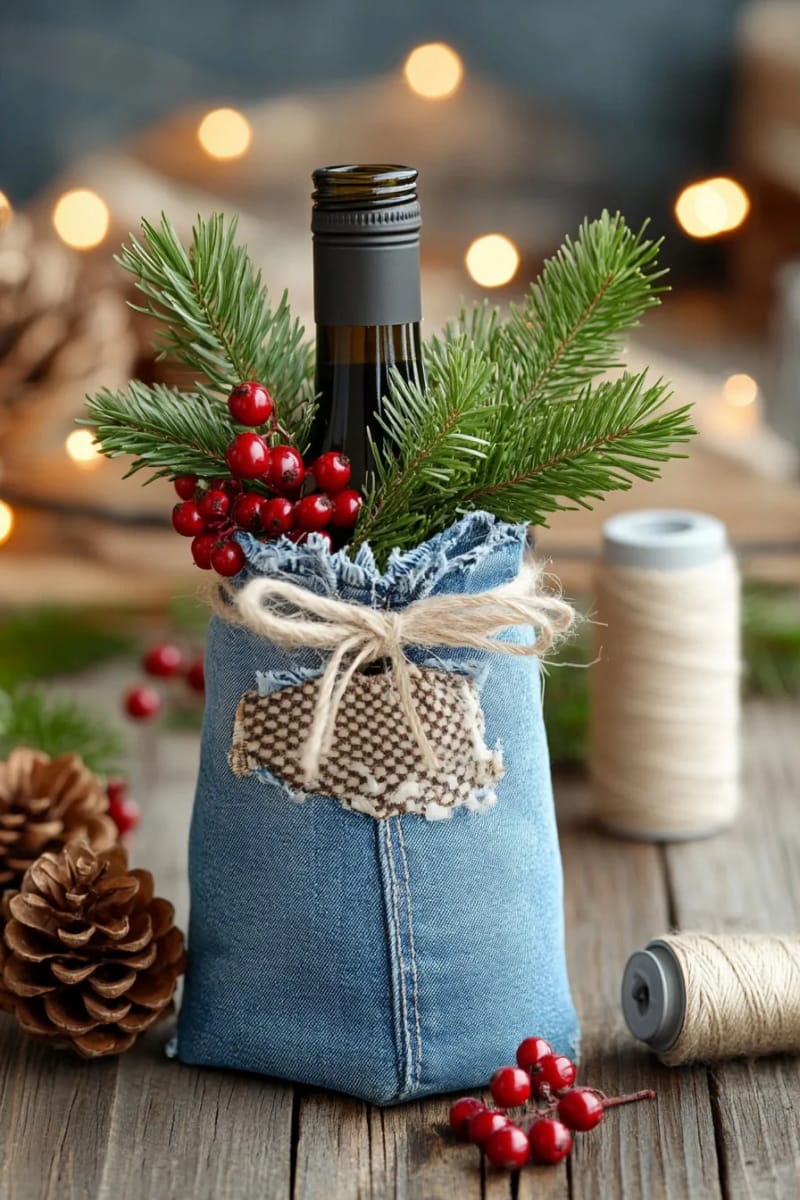
Keep the felled outer seam running up one side. It gives the bag a spine, it stops the whole thing reading as a sack, and the gold topstitching is the only decoration the bag needs. The urge to add a felt snowman to it should be resisted with force. If you want to understand why so much denim craft looks like denim craft, the argument for building from the seams, pockets and worn knees rather than treating jeans as blue fabric is the same one operating here.
- Cut a 14-inch tube from the calf, hem end at the top.
- Turn it inside out. Sew one straight seam across the bottom.
- Take in the sides if the leg is wide. Turn it right side out.
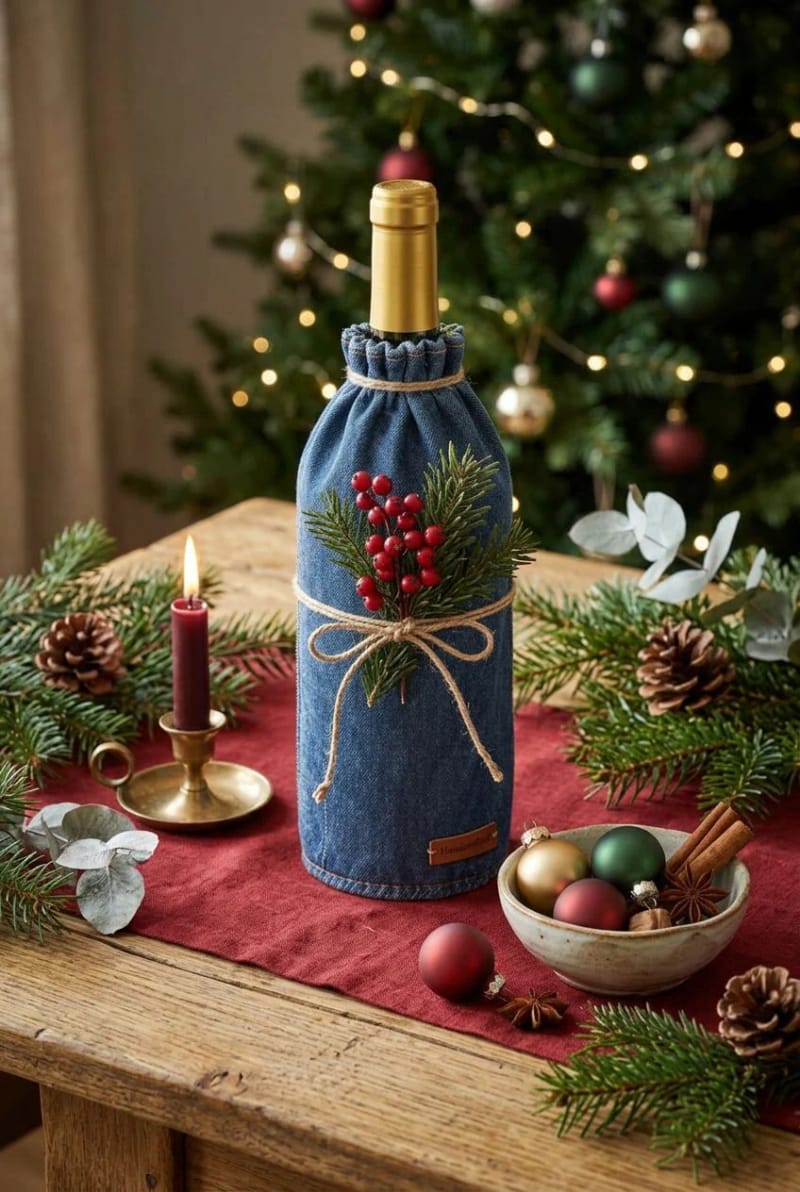
- Twine at the neck, kraft tag, done.
Rooted cuttings in a chipped teacup
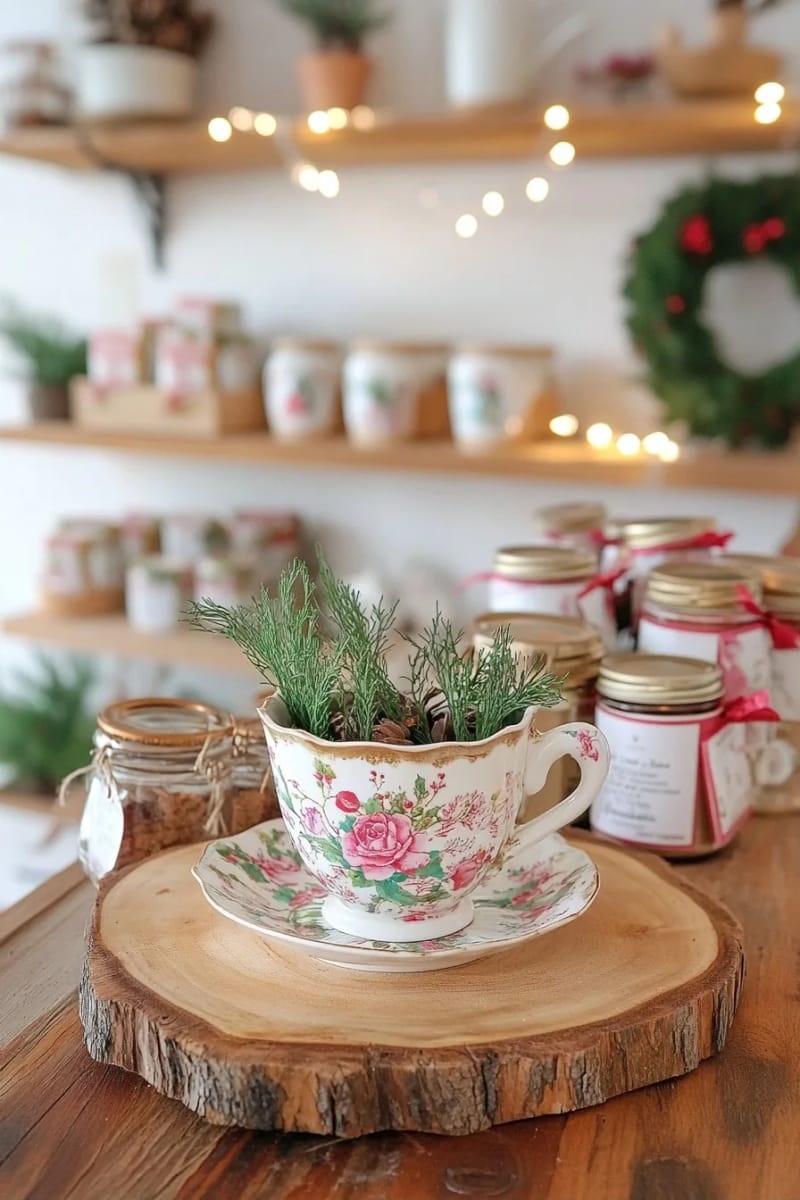
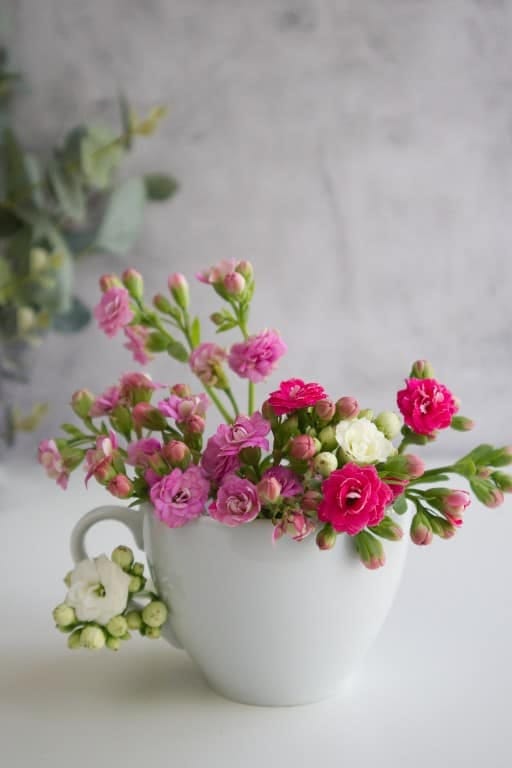
Start this one in November, because pothos, philodendron and tradescantia take two to four weeks in water to put out roots worth looking at, and a cutting with no roots is a leaf in a cup. The cup itself is the thing you already own and cannot use: the one with the hairline crack, the one missing its saucer, the one from a set that lost its other five.

Give it wet, roots visible, not potted in soil. The recipient does the potting, which is the part that makes it theirs, and it is the only gift here that is worth more in March than it was on the day.
Poured candle from the wax you already burned

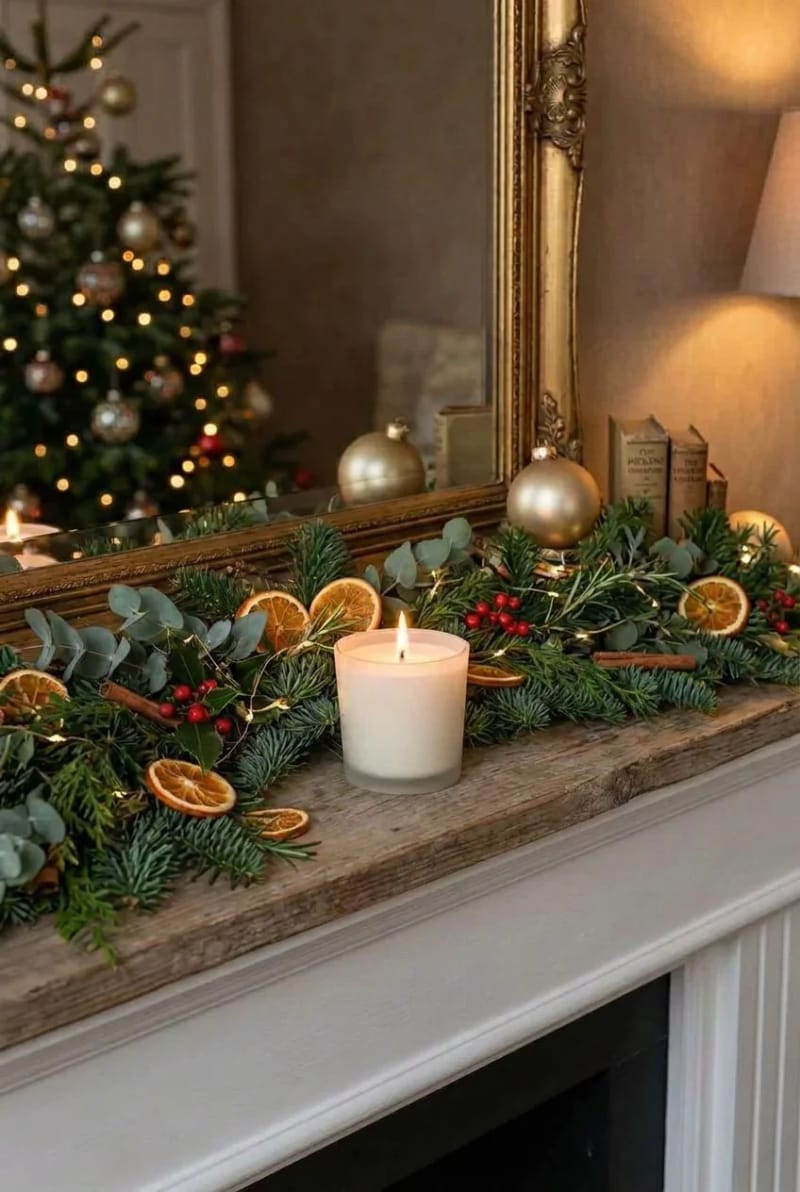
Granted, this only works if you have been hoarding dead candles, which most people have without calling it that. Melt the stubs in a heatproof jug set in a pan of simmering water, pour into a clean glass jar, and the whole gift costs you a wick. The jar you already rinsed this week usually throws better light than a mason jar, and the case for squat pasta sauce jars and wide yogurt pots over the ones you buy in a case holds for candles as much as it does for votives.
Sort the wax before you melt it
One fragrance per jar. Old scented waxes fight each other and the result smells like a bathroom in a chain restaurant. Keep paraffin with paraffin and soy with soy where you can tell them apart, prise out the old metal wick tabs before they go in the jug, and do not pour a jar you would not light yourself.
The wick is the one part you cannot upcycle
Internal jar diameter is what decides it. Under about 3.25 inches, one correctly sized wick. Over about 3.5 inches, you need two, each sized for half the diameter, or the flame melts a column down the middle and leaves a ring of wax welded to the glass forever. The first burn sets that path permanently, so the melt pool has to reach the wall within two to four hours or the candle is a tunnel for the rest of its life. Burn one from your batch before you wrap the others.
Under 2.5 in: one small wick. Old jam jars and yogurt pots sit here.
2.5 to 3.25 in: one standard wick. This is where most sauce jars land, and it is the easiest pour to get right.
3.25 to 3.5 in: single wick, but test it. Tunneling starts showing up in this band.
Over 3.5 in: two wicks, each rated for half the diameter, spaced so their melt pools overlap.
Pre-tabbed cotton wicks save you the fiddliest step: the metal base sits flat on the jar bottom and holds the wick centred while the wax sets.

A cookie tin that becomes a recipe box
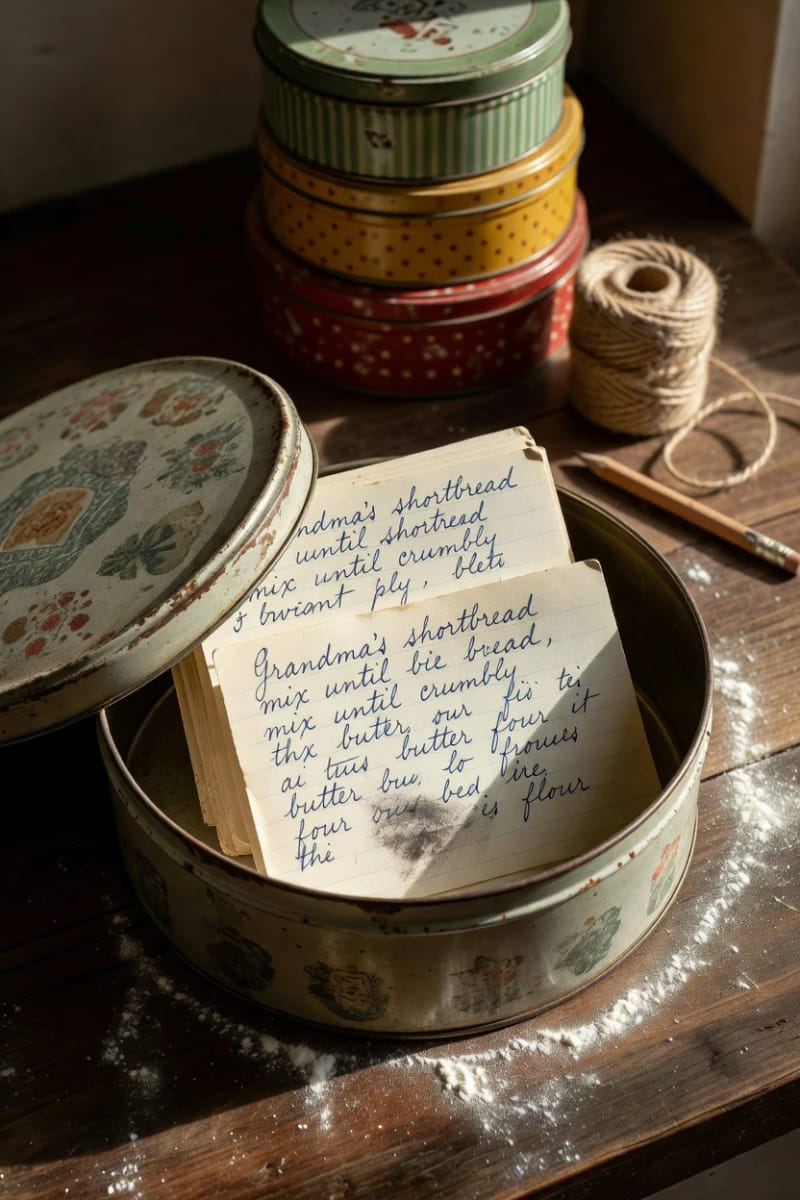
Do not paint the tin. The battered lid with the reindeer on it from 2014 is the reason this reads as a gift and not as stationery, and painting it turns a found object into an unconvincing new one. Cut card to fit the tin, then fill it: the recipes that person has actually asked you for, in your handwriting, one per card, including the one that goes wrong and the note about why.
An empty recipe box is a chore you have handed someone with a bow on it. A full one is a small archive. The same logic applies to the humble food can, where the trick is always stopping the cylinder from still looking like a cylinder, except that here the tin gets to stay exactly what it is.
Felted sweater mittens, no knitting
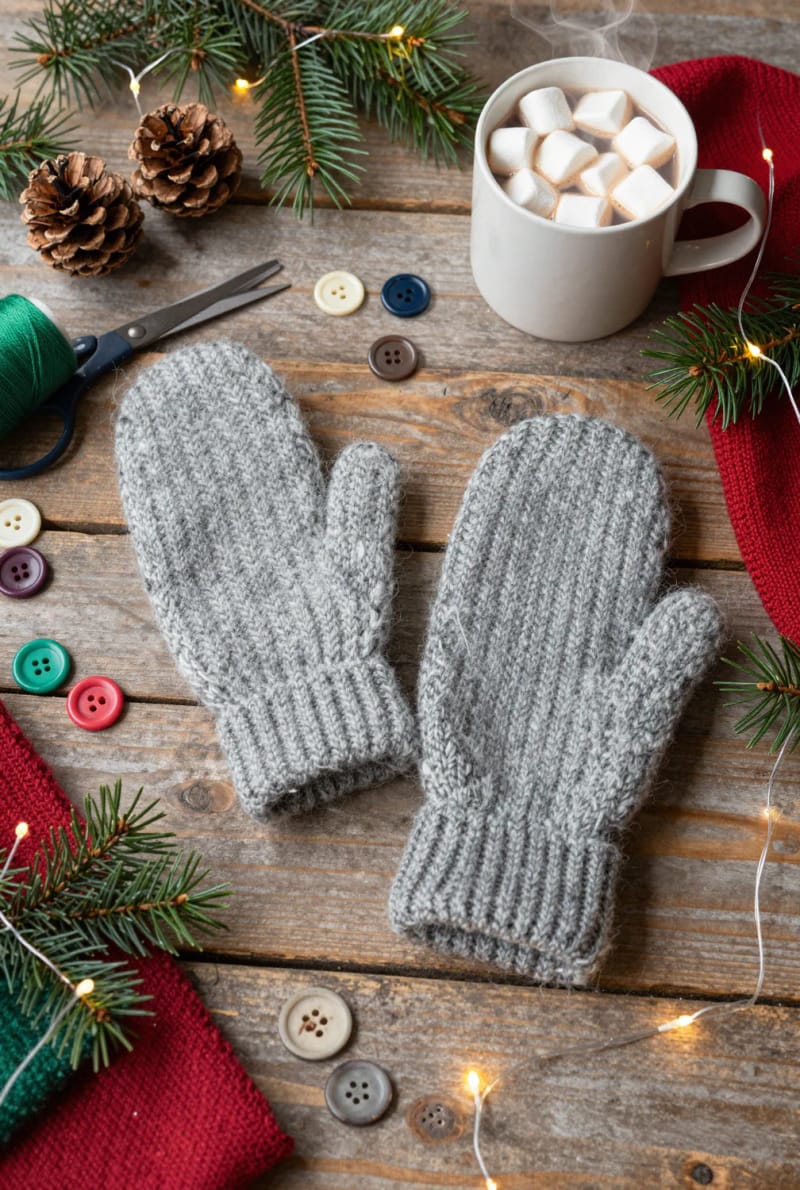
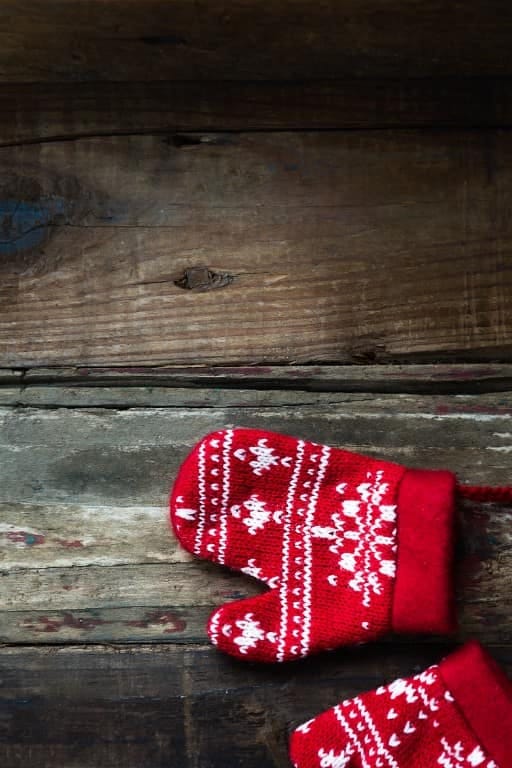
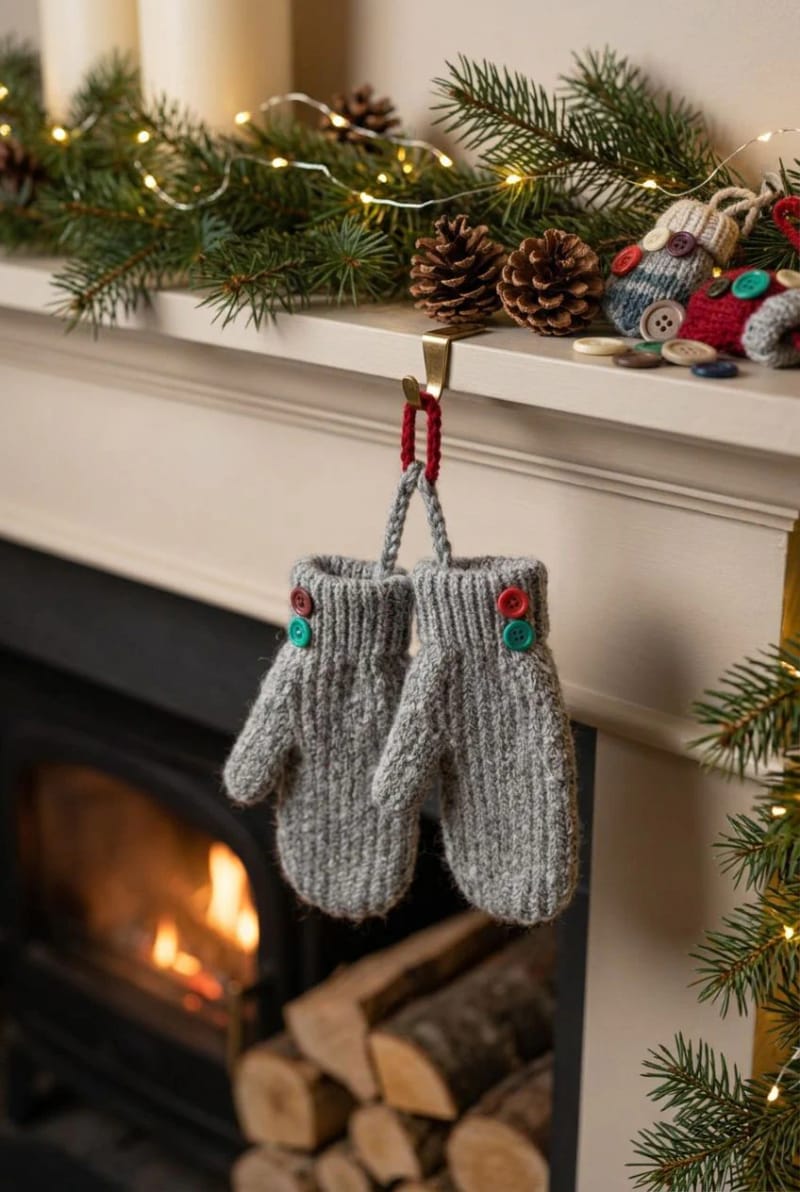
Felt the sweater first and the whole project changes character: felted wool does not unravel when you cut it, so there are no hems, no bindings, and no finishing. Trace a hand with a half-inch margin, cut two pairs from the body of the sweater, sew around the outline, and use the sweater's own ribbed hem as the mitten cuff. It is the ribbing that stops these looking homemade in the bad sense.
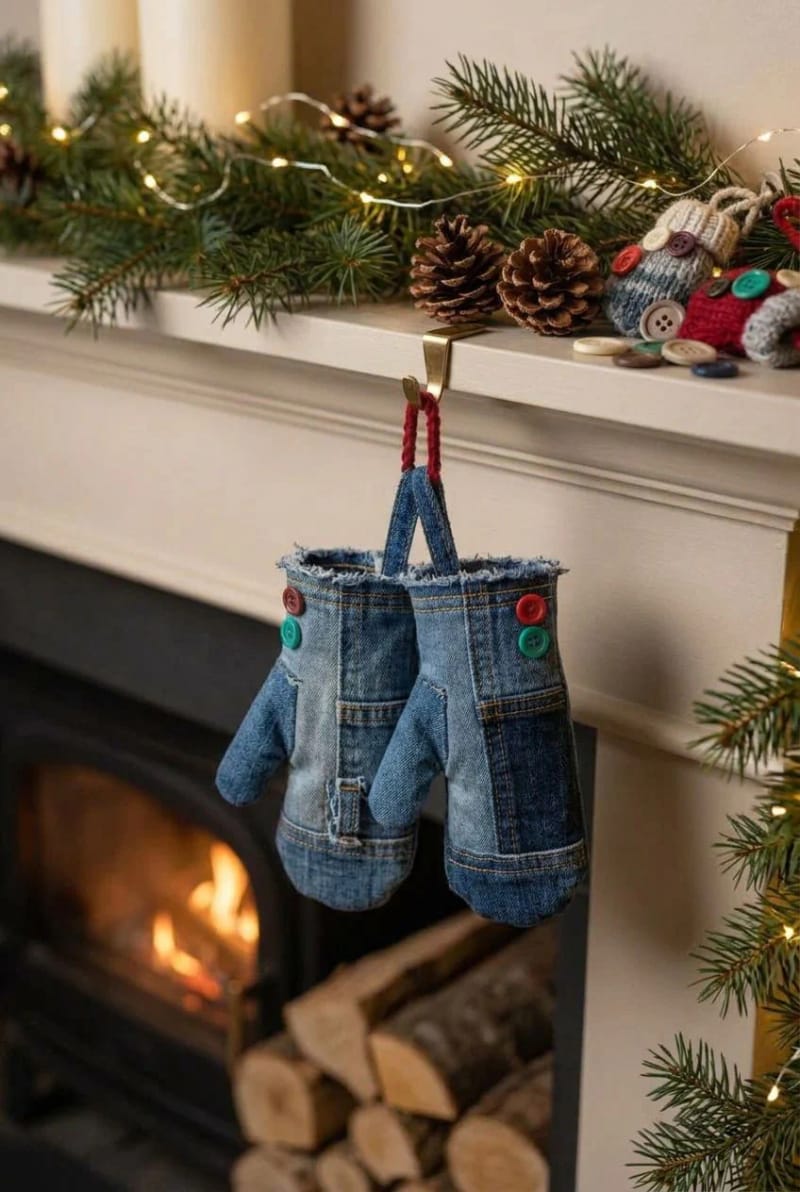
You can also make the mittens using upcycled old jeans too! They look super cute.
The fibre test that decides everything
Check the label before you touch the washing machine. Wool, lambswool and cashmere felt. Anything marked superwash or machine washable has had its scales stripped or sealed and will not, which is the entire point of the treatment, and a dry-clean-only label is the strongest signal you have found the right sweater. Hot wash, real soap, plenty of agitation, then a hot dryer if it needs a second pass. Below roughly 80 percent wool the results get unreliable fast, and a shrunken cardigan is one of the few things in a wardrobe of dead holiday clothes worth pulling apart rather than donating.
Egg carton fire starters for the wood stove person
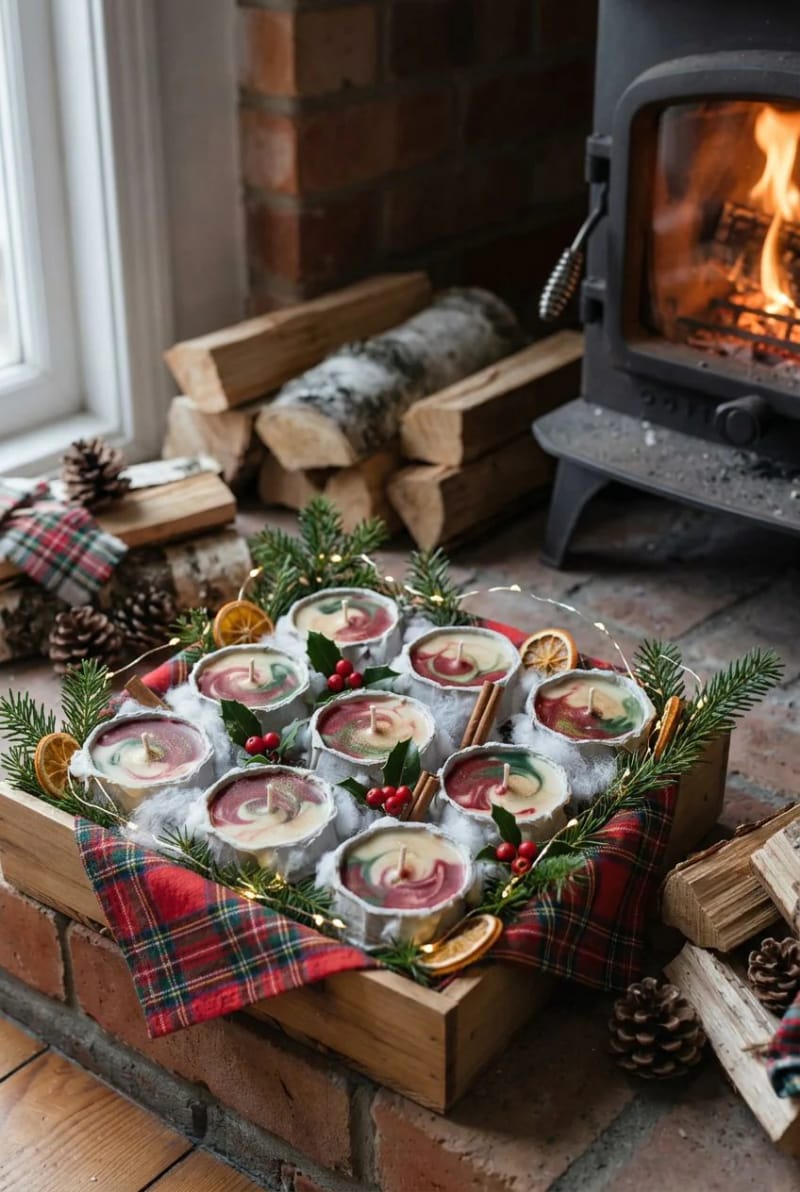
One cardboard egg carton, a season of dryer lint, and the wax left over from the candle pour give you twelve starters that each burn five to ten minutes, which is more than enough to get kindling going. Pack each cup, pour wax over until it soaks through, let it set for an hour, cut the cups apart. Stack them in a jar or a paper bag with a tag.
This is a gift for exactly one kind of person: the one with a wood stove, a fire pit, or a charcoal grill they take seriously. Everyone else will open the box and be politely confused, which is worth knowing before you make three of them.
Cardboard cartons only, never the foam kind. Use lint from loads of towels and bedding, because heavily synthetic lint melts instead of catching and smells bad doing it. Melt wax in a jug set in simmering water, never in a pan directly on the burner. And label the gift clearly for outdoor fires, grills or a solid-fuel stove, not for a decorative fireplace someone has never actually lit.
 12 Upcycled Crafts to Sell That Hold Their Margin at Markets and on Etsy Which free-material makes are actually worth batching, and which ones eat your time for nothing.
Embroidery hoop art from a shirt nobody will wear again
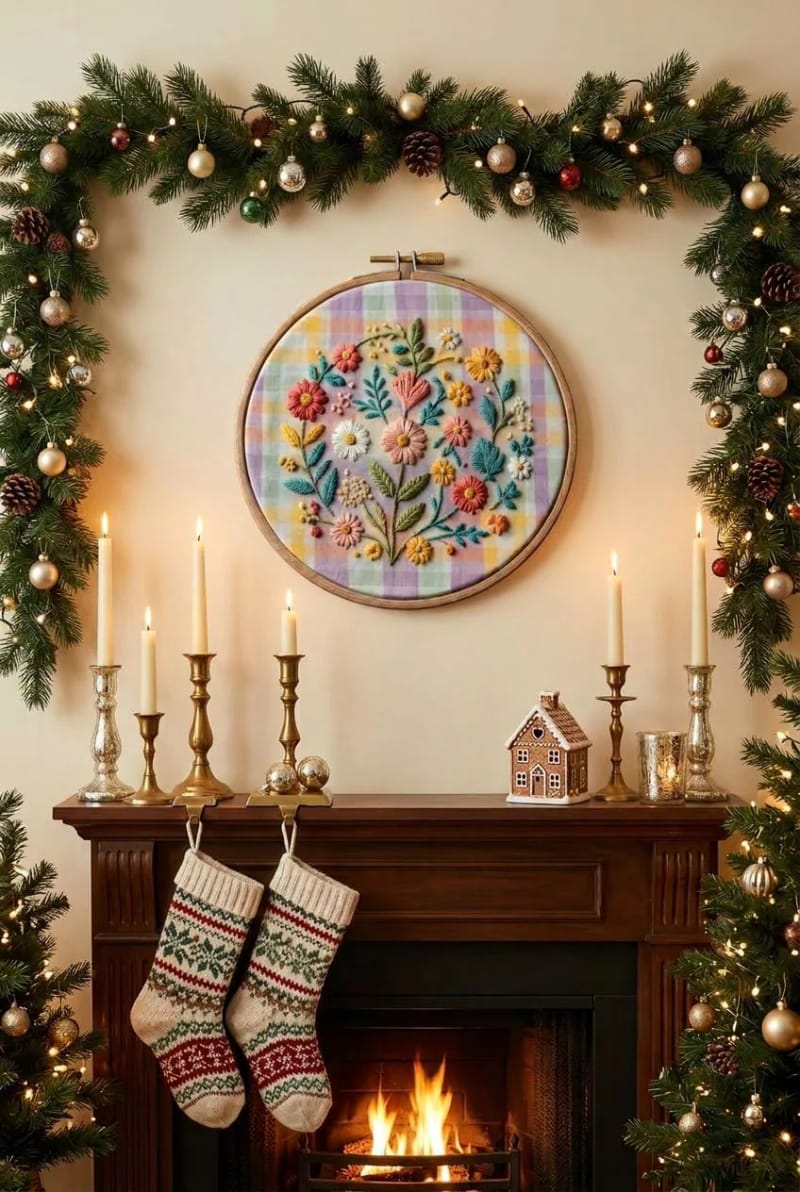
Stretch the one part of a dead shirt that still has something going on (the chest pocket, a run of plaid, the worn collar band) into a wooden hoop, stitch a single word or a small motif across it, trim the excess to an inch and gather it at the back with a running stitch. The hoop is the frame, so you are finished the moment the stitching is.
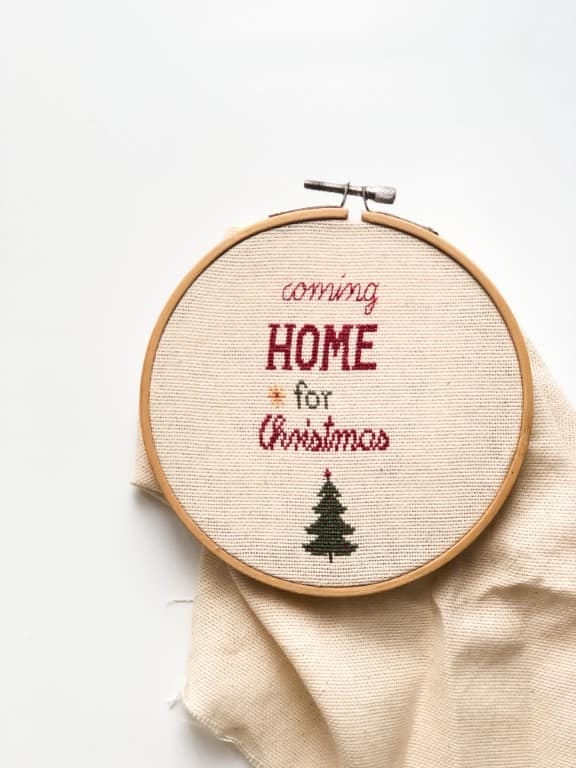
Denim pockets take this best because the topstitching gives the eye something to sit on. If you have a bag of offcuts rather than a whole shirt, the small-scrap projects that need almost no sewing will use them up faster than a hoop will.
Wine cork trivet that survives a hot pan
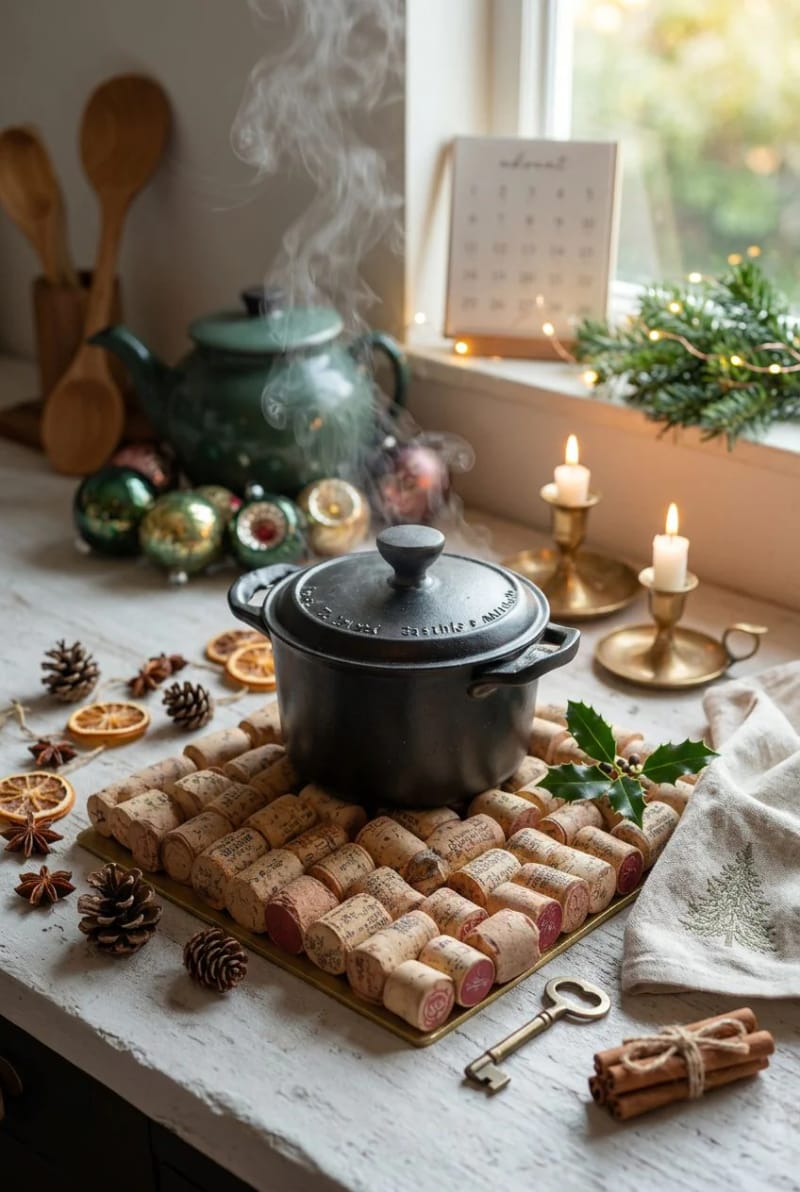
Every cork trivet tutorial tells you to hot glue the corks to each other, and that is why so many of them come apart in March. Consumer hot melt softens somewhere around 140 to 176°F, and a pan lifted straight off the burner is far past that, so the glue gives up precisely when the trivet is doing its job.
Build it in compression instead. Find a rim (a springform ring, the bottom of a small drawer, a cheap picture frame with the glass out), lay the corks on their sides, and pack them so tight that the last one has to be tapped in. A cork is roughly 22mm across and 45mm long, so a 7-inch square works out at four columns of eight, around 30 to 35 corks, and any gap you leave will be the one that swallows a pea. Whatever is left over can go toward the cork reindeer that do not have googly eyes.
A journal rebound in an old hardcover
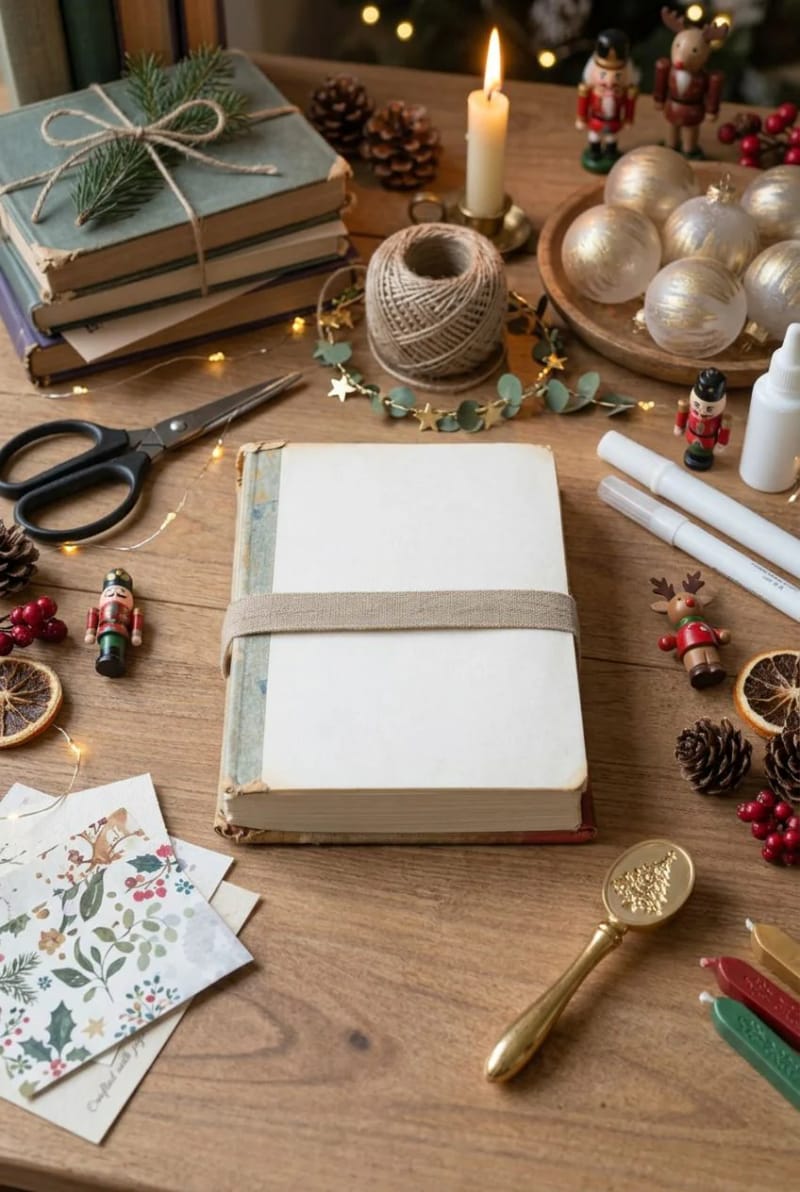
The gift here is the cover, not the book. A charity-shop hardback with a cloth spine, a broken hinge and someone else's name in the front is worth more as a jacket around blank paper than it is on a shelf, and it costs nothing beyond thread.
Getting the block out without wrecking the boards
Open the front cover flat and run a craft knife down the hinge, in the ditch where the endpaper folds, then repeat at the back. The text block lifts out and you are left with two boards joined by a spine. Sand the mull and old glue off the inside of the spine, but leave the shape of it, because that curve is what makes the finished thing look bound rather than glued.
What goes inside
Fold letter paper in half for a page around 5.5 by 8.5 inches, gather five or six sheets into each signature, pierce three holes along each fold and pamphlet-stitch them, then glue the outer signatures to the boards. Mixed paper is better than uniform paper: graph in the middle, plain at the ends, one section of the old book’s own printed pages kept in as a surprise. The rest of those pages are good for paper angels for the tree, so nothing from the book gets binned.
Do not attempt this with a sentimental book. Somebody will be upset, and they will be right.
Sequencing matters more than skill on this list. The cuttings need three or four weeks in water before they look like a gift rather than a leaf, so those go in the cup tonight; the recipe tin needs you to ask people which of your recipes they actually want, which takes a week of nagging; the candle and the fire starters are the ones you can do at eleven at night on the twenty-third, in the same jug of wax. One honest gap: I could not find a reliable rule for felting sweaters below about 80 percent wool, and the blends behave differently enough that I would not risk a good afternoon on one. If the label says 60 percent acrylic, cut it up for the hoop art instead.
Related Posts
- 29 Upcycled Christmas Crafts For Unique Holiday DIY Projects
- 31 Creative Upcycled DIY Christmas Decorations for a Cozy Holiday
- 21 Upcycled Christmas Fashion to Inspire Your One of a Kind Holiday Look
- 21 Quick & Simple Christmas Decor DIY for Upcycling Enthusiasts
- 29 Eco-Friendly Christmas Gift Ideas DIY for a Thoughtful Holiday
- 25 Plastic-Free Christmas Gifts DIY for a Thoughtful, Sustainable Holiday